Imagine if we had a low-carbon liquid fuel we could safely use in combustion engines in our vehicles and aircraft. Researchers in Chile’s Magallanes Region are taking a tentative step down the road to green combustion fuel. It’s really interesting but quite technical. However, we’ll do our best to explain.
Innovative Step Down the Road to Green Combustion Fuel
The ‘Highly Innovative Fuels’ company hopes to convert wind, water and air into a variety of synthetic fuels. CNN World reported these would be suitable for ‘everything from cars to ships to airplanes’ on April 1, 2022.
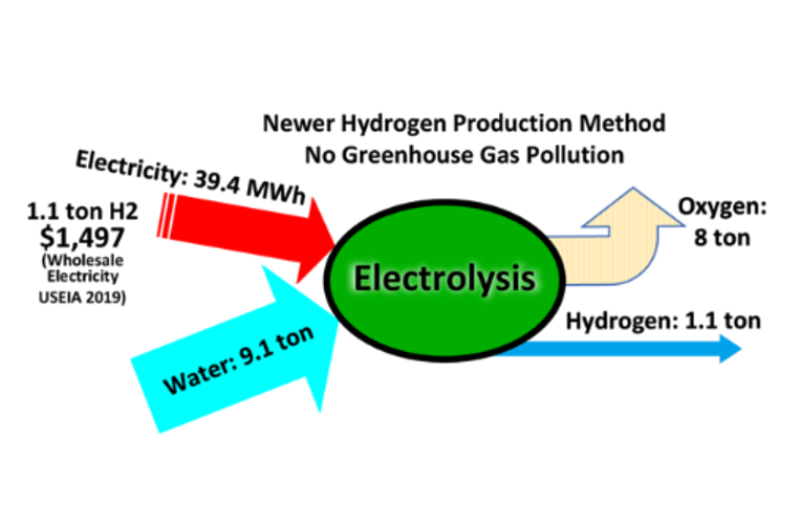
The pilot plant incorporates a wind turbine, carbon capture system, and capacity to produce 35,000 gallons of fuel a year. One plant uses the wind-generated electricity to power electrolysis separating water into hydrogen and oxygen.
Meanwhile, another plant captures carbon dioxide from the atmosphere, and from industrial sources to an extent. A third plant combines the hydrogen and carbon dioxide, and synthesizes it into combustible products. If this works, this could be quite a step down the road to green combustion fuel.
A Range of Green Fuels Coming on Line Soon
Construction of the plant is approaching completion with commissioning due later this year. Its USA executive director Meg Gentle says it could produce a variety of fuels to substitute methanol, propane, gasoline, and jet fuel suitable for standard engines without modification’.
However, she says they are not intending direct competition with electric vehicles and batteries. That’s because she believes the two technologies could exist side-by-side. In her model, electric vehicles decarbonize the transport sector. While her product benefits existing vehicles, and infrastructure including pipelines and gas stations.
However, her processes consume large amounts of electricity, and this appears to make her products more expensive than fossil fuels. We suspect they might break-even, after we add their environmental cost.
Breaking News
If Batteries Could Save the World Would We?