Tesla’s ubiquitous lithium-ion cells have populated both storage and electric vehicle batteries for a while. However, there is an innate tension in this arrangement. This is because battery storage wants high recycling life, while electric vehicles want greater density for longer trips. Utility Drive thinks we may have to come to the end of the romance, and it is time they went their separate ways.
Has Storage and Electric Vehicle Divergence Begun?
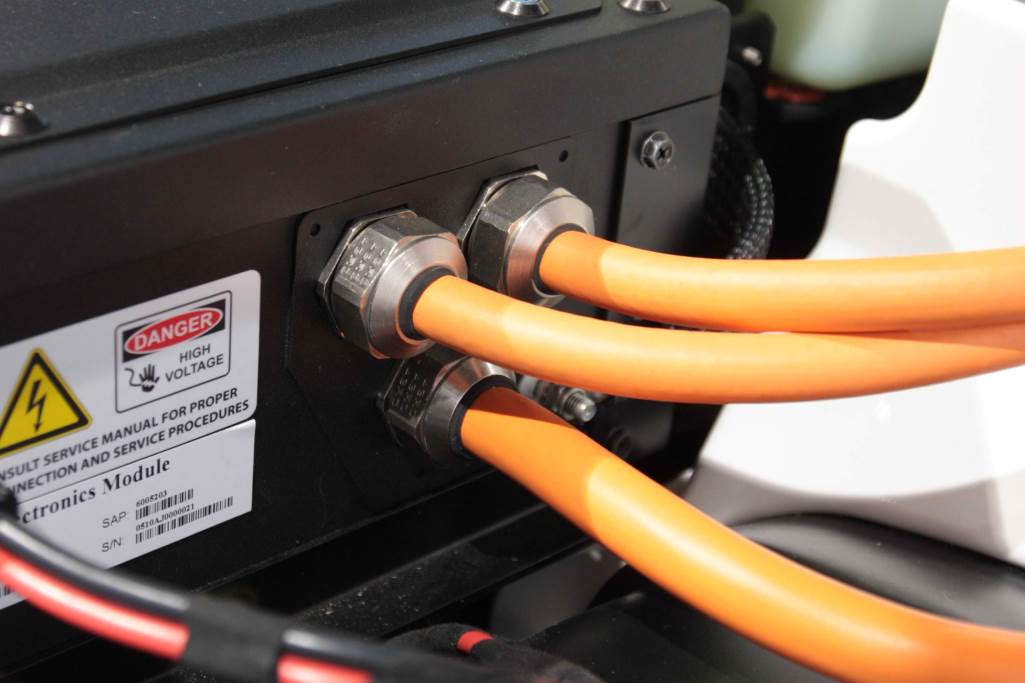
James Frith at Bloomberg Energy Finance thinks this is the case. “We expect that this split is already occurring due to high cobalt prices, and the move to increase EV ranges in China,” he says.
“The impact on the market isn’t clear yet, but it is likely to mean that manufacturers will have to make a clear decision on which market or markets they want to serve.”
Tesla has been striving to bring cost below the $100 per kilowatt-hour mark by reducing cobalt, and claims record density for Model 3 batteries. So cobalt is increasingly becoming the prima donna of the battery world.
How the Cobalt Supply Could Shape Battery Future
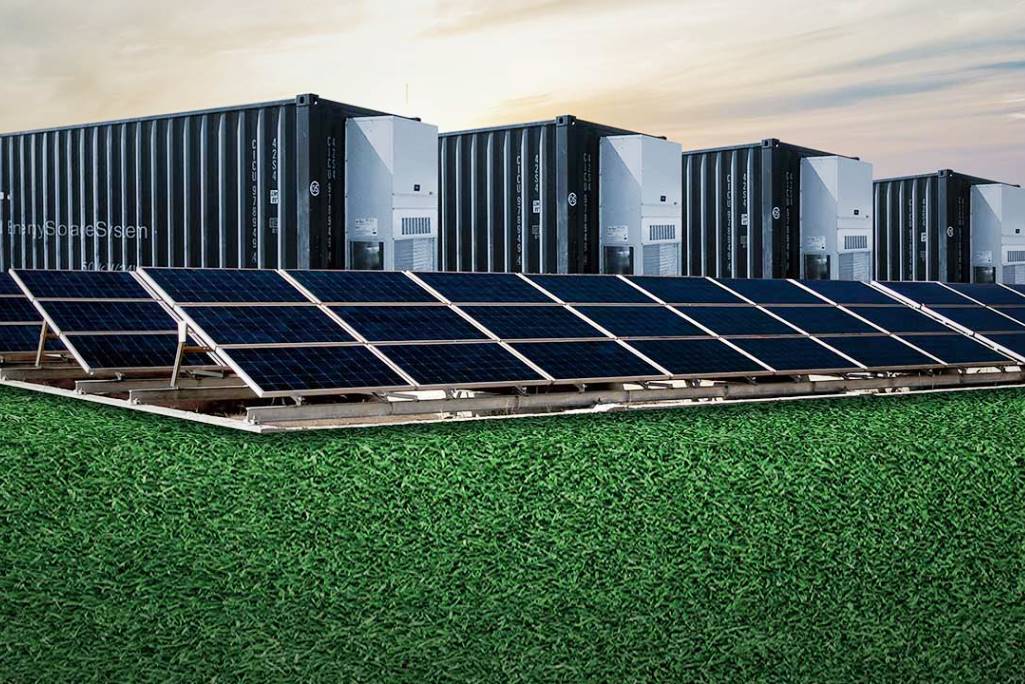
Chinese battery maker BYD has gone the lower-density route using lithium-iron-phosphate chemistry that does not require any cobalt. However, they are also sacrificing recycling capacity in the process. Hence it seems likely that both companies are preparing for when we no longer have enough cobalt to support the green energy imperative.
Matt Keyser of National Renewable Energy Laboratory told Utility Drive, “Cobalt will probably be reserved for battery applications that need high density, like cell phones, laptops and electric vehicles. Otherwise, why pay the price for something you don’t need,” he asks. “This will likely mean the cost curves for different types of batteries will diverge. But right now it is hard to say how prices of storage and electric vehicle batteries might diverge.”
Related
Storage Proves Its Point in South Australia
Huge Sums Invested in Electric Vehicles
Preview Image: Crunch Time Which Way to Go?