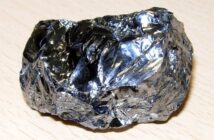
Sulfur hexafluoride is an inorganic, colorless, odorless, non-flammable, non-toxic gas. Therefore it makes an excellent electrical insulator able to quench electrical discharges in high voltage applications. Unfortunately, it is also the most potent greenhouse gas the Intergovernmental Panel on Climate Change has evaluated. Now the University of Cardiff has revealed how fast the risk is spreading.
Why Is Sulfur Hexafluoride Suddenly a Problem Now?
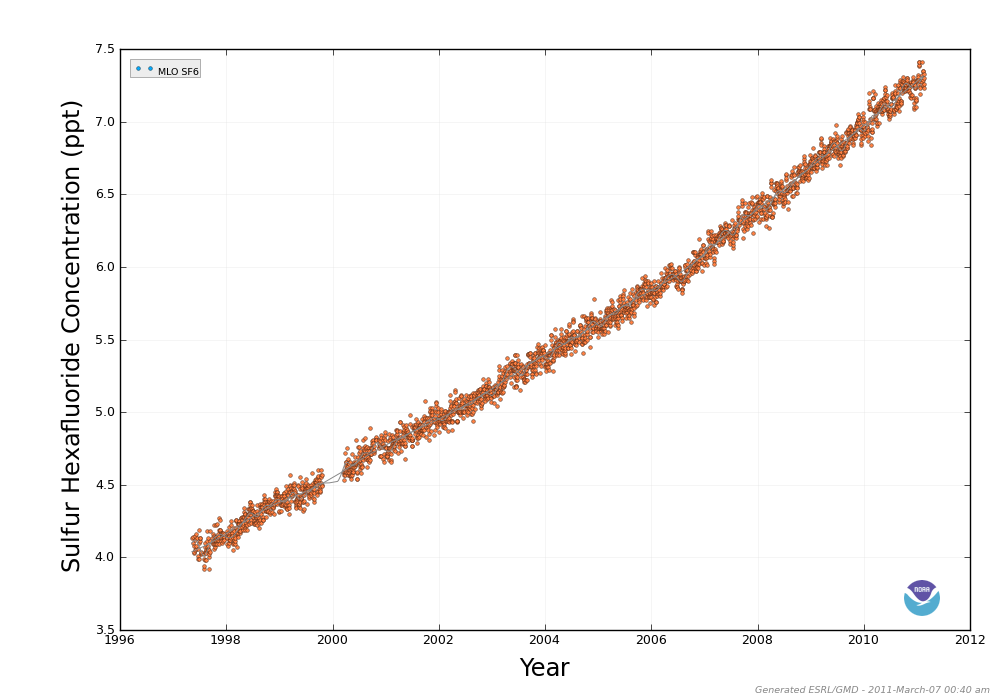
The amount of sulfur hexafluoride gas in the atmosphere has doubled in the past 20 years. The total European emissions due to leaking equipment in 2017 were as environmentally damaging as 6.73 million tons of CO2. That’s equal to the emissions of 1.3 million gasoline-power cars.
Moreover, one kilogram of the greenhouse gas has the same warming effect as two dozen people flying New York to London return. The effect will last for at least a thousand years. We are making (and leaking) more of the gas every year through the ultimate of ironies, renewable energy.
The Way We Make Electricity Is Behind This
We are gradually replacing coal-fired power stations with wind, solar and gas resources. This is resulting in a huge number of new electrical switches and circuit breakers requiring sulfur hexafluoride gas protection. There is no proven alternative protection available.
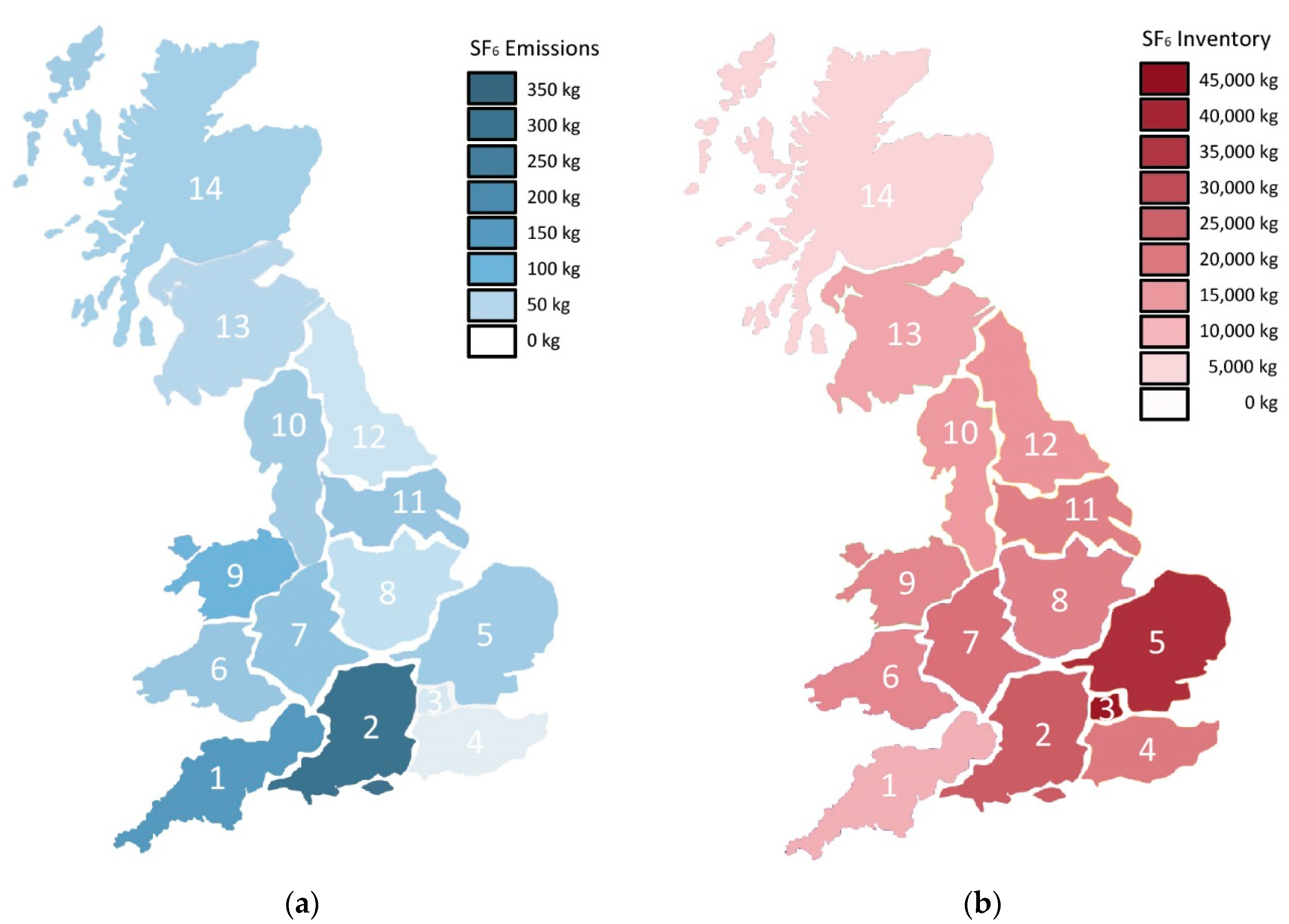
The gas escapes into the atmosphere through leaks in equipment. Newer versions are more reliable, however there are still a vast amount of older types in use, and statistically some are leaking. The University of Cardiff’s report only covers actual, reported emissions. Hence we have no reliable way of knowing how bad the situation really might be.
Moreover, there is apparently no central database of sulfur hexafluoride leaks occurring during filling / refilling / recycling equipment. What we do know is the global installed base will grow by 75% by 2030. But eventually we will have to destroy the entire lot, when we finally have a proven alternative that is.
Related
Climate Change Greenhouse Understood 1884
Ancient Roman Greenhouse Shadows Remain
Preview Image: Renewable Sources of Energy