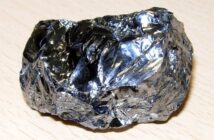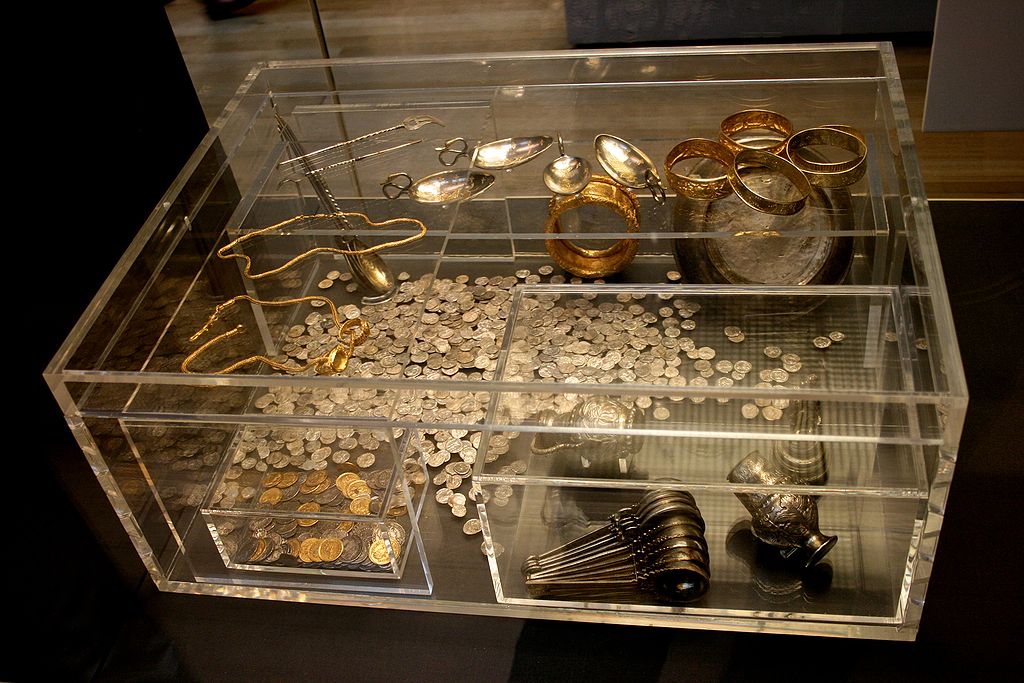
The ancient Romans were hunters, not gatherers. They kept extensive herds of livestock on the fringes of their cities, and made large cooking fires that cloaked their settlements in smoke. They were also avid miners after lead for pipes, and silver for their coins. Researchers have found ancient Roman greenhouse shadows remaining wherever their empire spread in Europe.
Air Pollution Has Been a Problem Since Days of Ancient Rome

The Smithsonian Institute wonders whether we should peg the start of global warming to the first industrial revolution. Bubbles caught in Greenland ice contain greenhouse gases 2,000 years old. Was this when human activity began causing climate damage?
Célia Sapart of Utrecht University leads a team of fifteen scientists examining a 1,600-foot-long ice core taken from the Greenland ice sheet. They wanted to know whether methane levels increased during warmer periods owing to increased bacteria in wetlands. However, they did not find a straight line relationship. “The changes we observed must have been coming from something else,” Célia Sapart says.
Ancient Roman Greenhouse Shadows
Ancient Roman herds of greenhouse-gas-emitting cows, sheep and goats expanded as the power of the empire grew. The empire also needed vast amounts of silver to store its new wealth from plunder, and lead for water pipes. Meanwhile, the Han Dynasty was flourishing 5,000 miles away in China and vastly expanding rice fields. Both civilizations also began producing metal weapons.
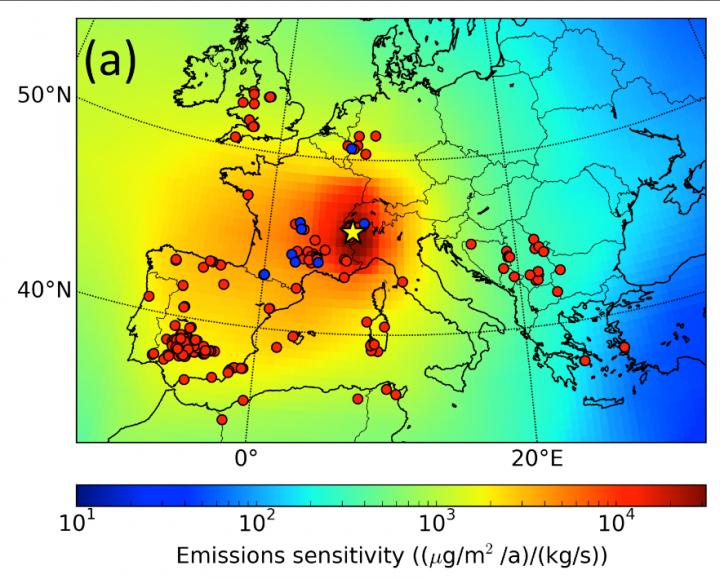
These new skills followed their empires where they conquered. Methane emissions rose by nearly 31 million tons per year between 100 B.C. and A.D. 1600. By comparison the U.S. emits 36 million tons annually. Célia Sapart’s team of 15 scientists watched in amazement as the ancient Roman greenhouse shadows in the core traced the empire’s rise and fall.
However, the emissions were not sufficient to cause permanent climate change though, she says. “We need to look farther back in time to see how much methane there was before humans got involved.” Because only then will we know the full extent of the damage we caused to Earth, our only home.
Related
Oldest Antarctic Ice Core Drilling Starts Soon
Total Greenland Ice Sheet Melt: A Preview
Preview Image: Ancient Roman Hoxne Hoard