The Batang Toru ecosystem in Sumatra’s highlands is a rare gem in Earth’s tarnishing crown. That’s because of pristine forest in three districts of Tapanuli, North Sumatra. The Tapanuli Habitat plays an essential role as carbon sink. We have not even begun to scratch the surface of the plants and creatures living there.
Will Tapanuli Surrender Its Secret Orangutans to Progress?
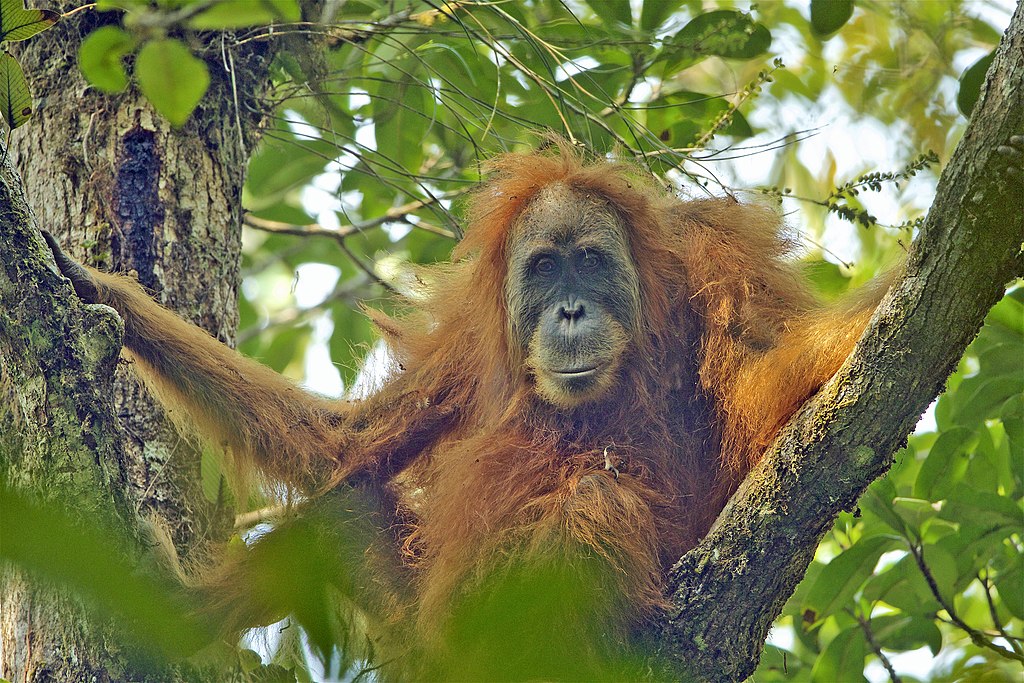
In 2017, scientists finally concluded the Tapanuli Orangutan is a separate species after an exhaustive study. This makes it one of only three, and the most endangered of these gentle, giant apes.
Just 800 survive among humid tropical rain forest depending on copious rainfall for its existence. The Tapanuli Habitat has survived because industry has not found a commercial use for it yet. This is about to change.
That change is a Sumatra court has said dam the Tapanuli Habitat because we need it for a giant hydro project. This is despite pleas from concerned scientists.
This Could Put the Tapanuli Orangutan on the Path to Extinction
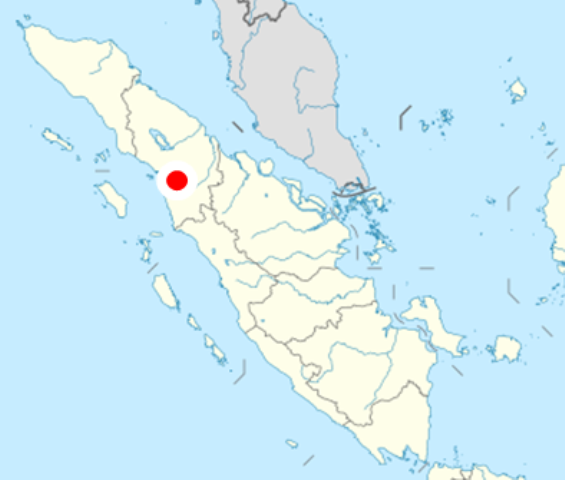
BBC News Asia reports the court said “The judges reject every part of the plaintiff’s lawsuit”. They found the dam was “in line with existing regulations”. A scientist, who acted as an expert witness says this would “put the orangutans on a firm path to extinction”.
“Where they are building the dam is actually where the density of this species is the highest,” another said. The utility countered by saying “The 510-megawatt dam will provide clean electricity to the region.” At UPS Battery Center we have to take a different position. That’s because clean electricity has to be sustainable in all respects, and this project clearly is not.
How could a Sumatra court sanction a dam in the Tapanuli Habitat when there are so many alternate sites? The only reason we can find is they put the long term consequences on the back burner when they gave their judgement.
Related
Deeper Significance of Anak Krakatau Crisis
Unsustainable Hydro Power Under Spotlight
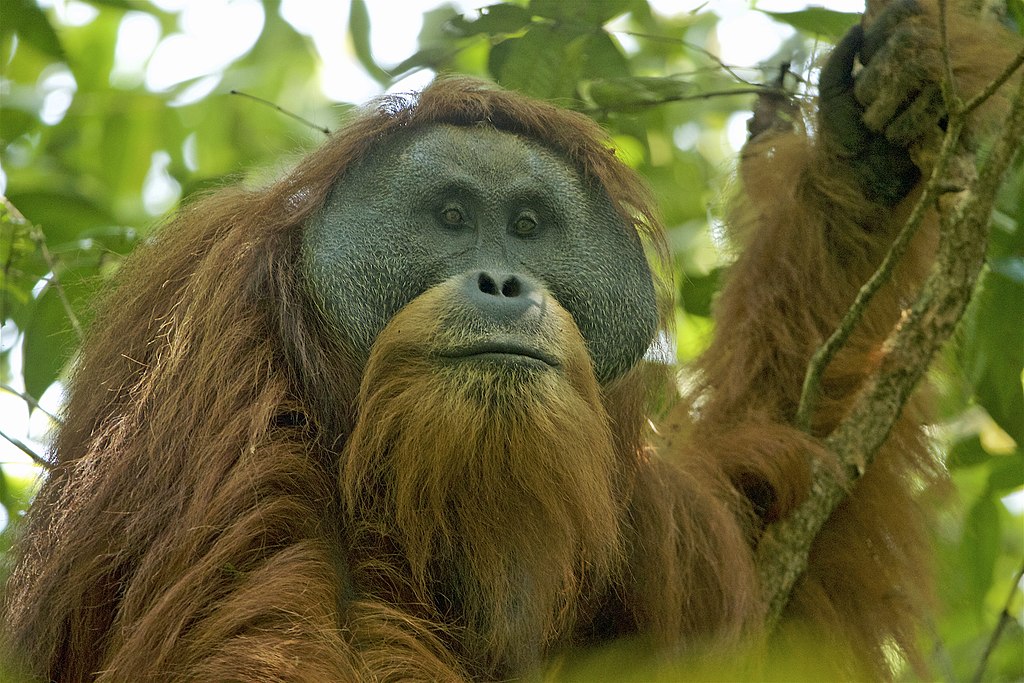
Preview Image: Adult Male Tapanuli Orangutan