We now have a year of pandemic data for scientists to mull over, and they are able to produce more solid results. Danish researchers analyzed 2,432,509 individual records, and estimated the coronavirus reinfection rate for 2020 based on this data. Their report appearing in Lancet on March 17, 2021 says prior infections reduce the likelihood by about 80%. However, this reduction is only 47% for people older than 65.
More Detailed Information About This Finding
Washington Post confirms most people appear to be immune from reinfection for at least six months. But this immunity reduces significantly with age. However, New York Times points out that the number of infected older people in the study was small. And moreover, the Danish researchers only had the raw data to go on.
That said, the researchers had a solid base to work on. They had access to Denmark’s national testing and surveillance program. This reached nearly 70 percent of the population during 2020. However, it’s important to note their source data does not include variants first noted in Brazil, Britain, and South Africa.
The Coronavirus Reinfection Rate and Vaccination
New York Times comments further on the lack of broader patient information. They suspect only people with mild first infections, developed repeat ones because their immunity was immature. And, by the same token, those that were seriously ill the first time around, were asymptomatic the second time.
The Danish researchers believe the coronavirus reinfection rate lends support to vaccinating elderly people early. And then vaccinating everybody else, including those with previous infections.
‘You can certainly not rely on a past infection as protecting you from being ill again,’ says Steen Ethelberg at Statens Serum Institute. ‘And possibly you could become quite ill if you are in the elderly segment. People over 65 are at highest risk of severe disease and death. They are the ones we are most eager to protect.’
Related
Seattle COVID Success Shows How It’s Done
COVID Immunity and the Three Month Factor
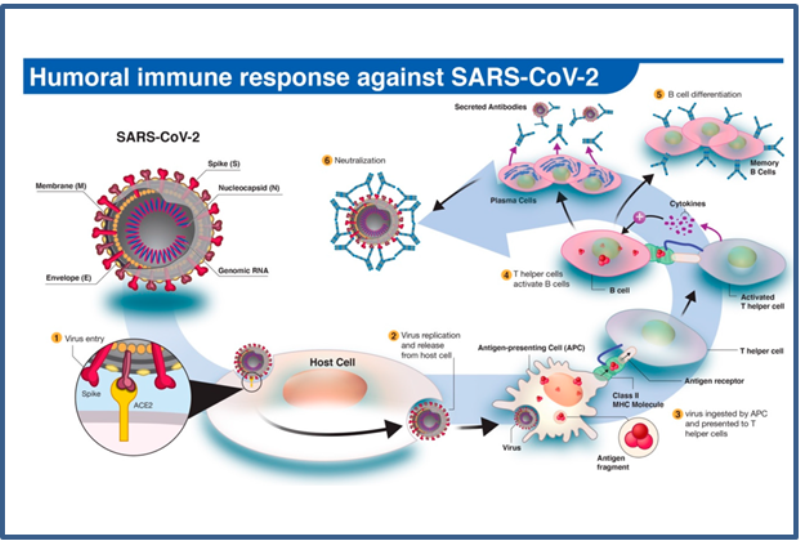
Preview Image: The Human Antibody Response