Do you remember Seattle in Washington State a year ago? Three days before World Health Organization confirmed a pandemic, COVID-19 was raging through a nursing home there. New York Times describes how its leaders gathered that Sunday to form a unified strategy. A year later, the Seattle COVID success proves the value of unified and timely strategies for fighting the coronavirus.
Seattle Infections Surge Quickly to Alarming Proportions
The city death rate rose sharply to become the highest in the United States. In fact, the Seattle region recorded the majority of first U.S. deaths, as the virus spread into the metro. Its leaders attending the Sunday meeting believed they had only one option. They had to close schools, shut down restaurants, and cancel large events.
A year later, New York Times advises the Seattle area boasts the lowest COVID death rate among the twenty largest United States metros. The city’s major, Jenny Durkan looks back and ascribes this achievement to presenting a united front to the public. Although, she does concede their public health experts and politicians did have their disagreements during the crisis.
Seattle’s COVID Success Has a Few Interesting Spins
The city’s leaders resisted pressure to ease lock downs for the sake of the local economy. Yet despite this, Seattle metro’s unemployment rate tracks the national average, and is better than Arizona and Texas favoring wider reopening.
However, warmer climate and human demographics may also have played a role in Seattle’s COVID success. We understand it has a healthy population who live in small households, and many were able to do their jobs from home.
Perhaps its greatest edge lay in having an above-average local network of research and philanthropic organizations, focused on global health. And politicians, businesses, and households that were willing to adapt.
However, the city is still battling to cope with the social shadows of the lock downs. ‘It was so profoundly difficult because you knew what the human consequences would be,’ the mayor concedes. ‘There was no course in which there wouldn’t be devastating human consequences.’
Related
What is a Coronavirus Exactly, Do You Know?
Returning to Work After COVID The Challenge
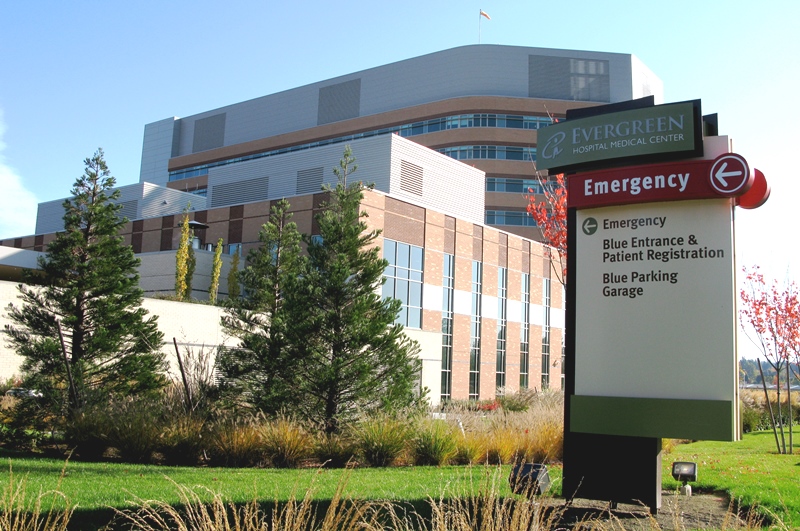
Preview Image: Evergreen Hospital in Kirkland, Seattle