Science is a precise matter. This is why it comes up with strange names for viruses like B.1.1.7 which surfaced in United Kingdom. That system is important, because it tells them where each one fits in their list containing thousands. But that’s not much use to the rest of us, and so we come up with familiar labels. Today we consider the tricky matter of naming a coronavirus without upsetting anyone.
Words We Understand for Unfamiliar Things
We use familiar words to tie down new concepts. Take the Perseverance Rover for example, boasting technology beyond our understanding. That name tells us it has determination and grit, and we can respect that and get on with things. But when a name has political undertones, that’s another matter.
And then the Spanish Flu, as another example. The First World War was raging and it might have affected military morale. So the combatants pretended it was not happening, although millions of soldiers died, while survivors took it home. But Spain was neutral and played open cards and picked up the name, while the rest of the world thought it was immune.
The first name for HIV-AIDS was Gay-Related Immunodeficiency GRID. The rest of society thought that’s okay we can’t catch it. But they did of course, and that’s as true as we could also catch the South African strain.
Naming a Coronavirus is a Tricky Matter Indeed
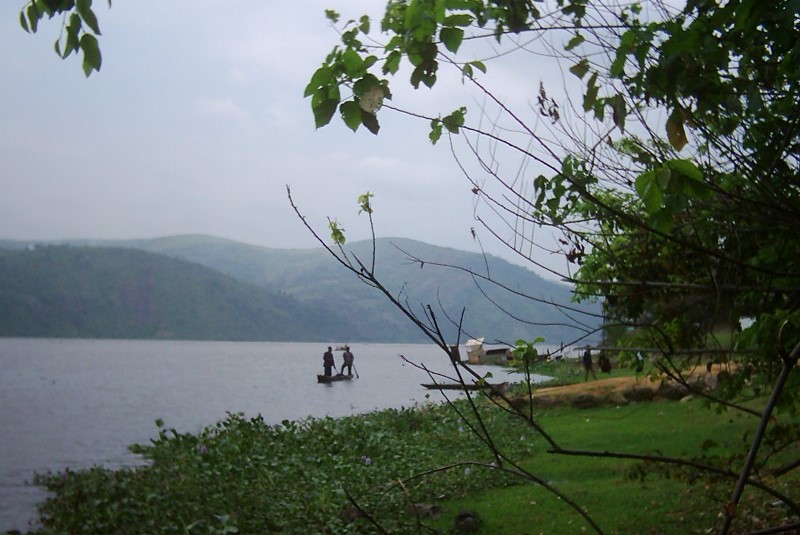
Giving a virus the name of a country demeans those people’s reputation unfairly. That’s why Mexico was so upset when Israel coined the name Mexican Virus. And why it’s so offensive to name the Ebola virus after a river that brings life to rural villagers in Democratic Republic of Congo.
Naming coronaviruses after animals is tricky too. Swine Flu got its name because patient zero lived near a pig farm. Telling Muslims they could catch it is hugely offensive. Much the same goes for warning Hindus about Bovine Flu.
The World Health Organization has called for a better naming system. One that does not stigmatize landscapes, regions, people or cultures where the first outbreaks occurred. However, how we reverse out of the old names is another matter.
Related
Seattle COVID Success Shows How It’s Done
Iceland is Open for Business Despite COVID
Preview Image: Rivers Are Life for People