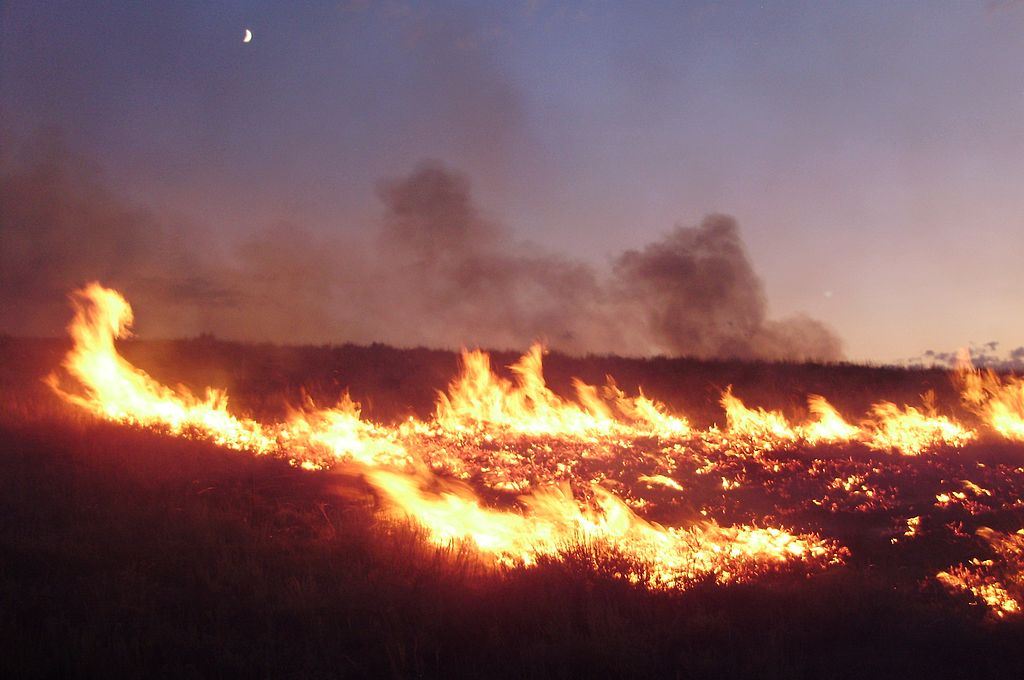
Thermal runaway is a heat event that goes out of control. A raging wildfire is a good example because an increase in temperature changes conditions. These changes then cause a further increase often spiraling to a destructive outcome. Technically speaking, the increased temperature releases energy that increases temperature. There are many examples of this phenomenon of which we share some here.
Thermal Runaway As We Encounter It Around Us

Chemical reactions may run out of control when we replicate laboratory experiments on a large scale. The 1947 Texas City Disaster was the most notable example, when 2,200 tons of ammonium nitrate exploded on a ship in port following a fire onboard.
This thermal runaway in explosives material resulted in one of history’s largest non-nuclear explosions in which 465 died and over 5,000 suffered injuries.
On a more familiar scale, microwave heating transfers energy to food that permeates through it. The processing rate depends on the relative permittivity of the product. That’s why water warms faster than potatoes, and moister products cook more evenly.
Some electrical components develop lower resistances as their internal temperature increases. This produces a phenomenon we call current hogging. Thermal runaway may cause electrical explosions or fire. Engineers have design strategies to counter this, provided the equipment has adequate ventilation.
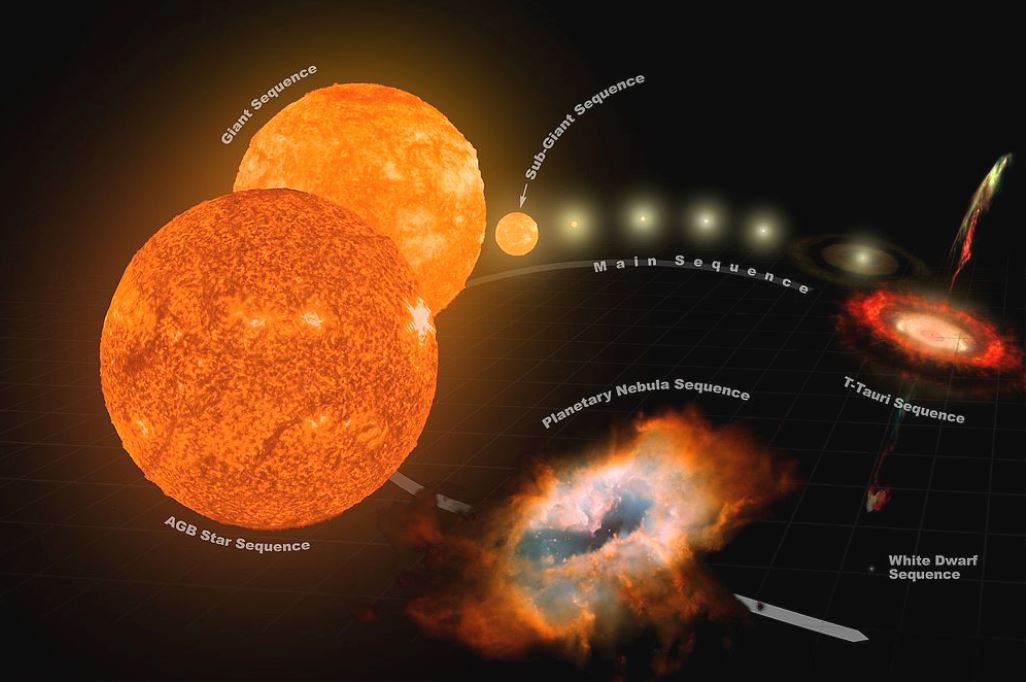
Lithium battery fires may be hot news nowadays, but they are nothing compared to what the universe pumps out. Extreme pressures in stars can cause runaway thermonuclear explosions. When certain stars exhaust their hydrogen, the helium in the cores ignites. These are the helium flashes Hubble photographs in red giant stars.
Could Global Warming Enter a Thermal Runaway Phase?
Scientists fear a global temperature rise of 3 to 4 degrees celsius above the pre-industrial baseline. Because this could lead to a further unchecked increase in surface temperatures. Methane, for example from wetlands, melting permafrost, and continental margin seabeds could enter a positive feedback phase. This would then increase surface temperatures since methane is a greenhouse gas.
Global warming
Related
Climate Change Evidence: Warming Oceans
Fires in Marine Lithium Batteries EU Update 7
Preview Image: Lightening-Sparked Wildfire in the Adobe Range, Nevada