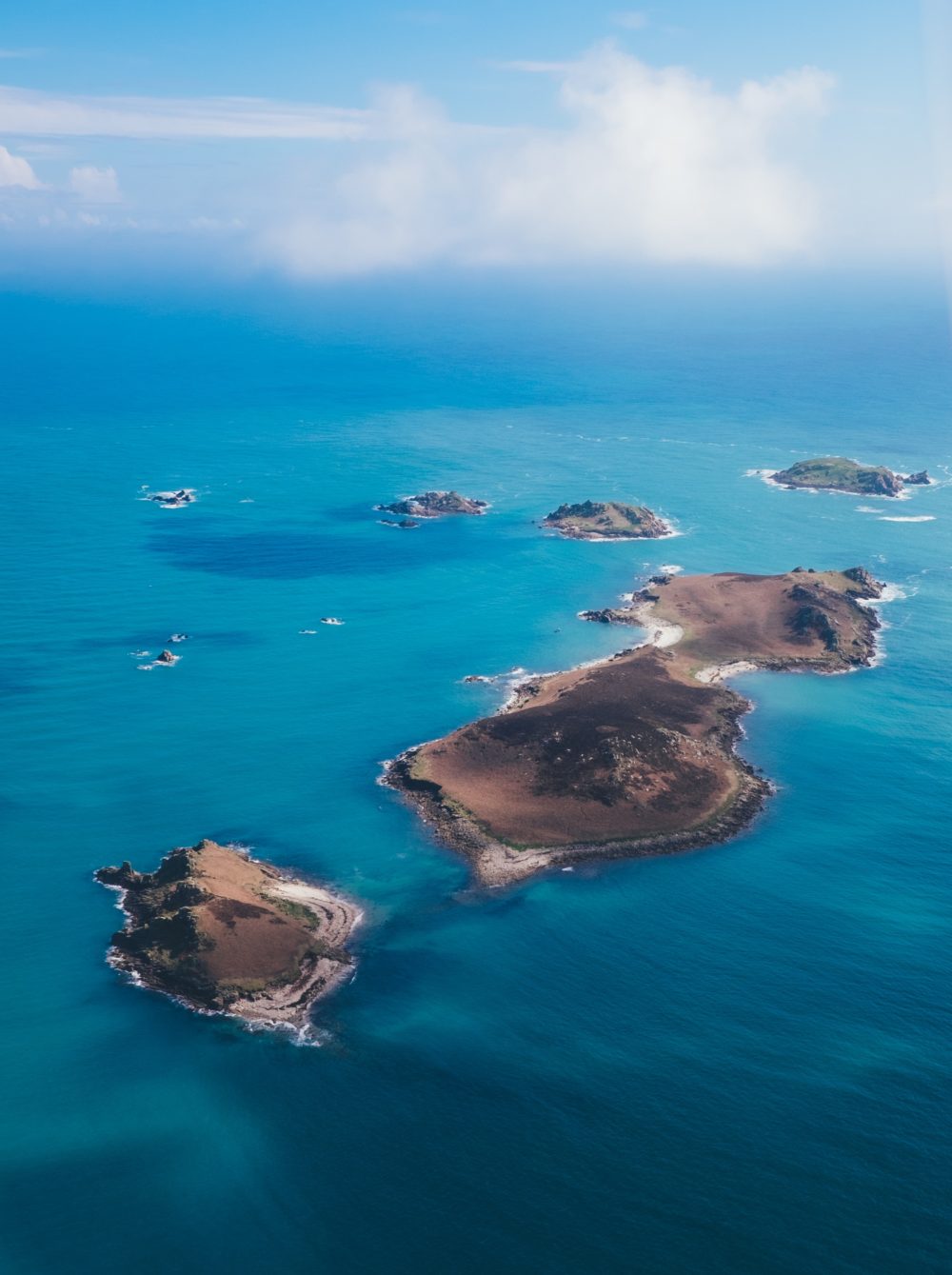
If you think that global warming is a bunch of floof, just visit a small island – oh wait, that’s if its still in existence. Some nations have already lost islands and have started to relocate communities. For years, these Island countries have sought to get higher emitting countries to action in a series of closed door bilateral discussions.
Climate change is a major threat to the globe, but certain geographical areas are more exposed to the increases in the Earth’s temperature, putting them at risk of extinction.
What is SIDS?
Small Island Developing States comprise of countries that are the first to suffer from the consequences of climate change and are ultimately in danger of disappearing. According to the United Nations Department of Economic and Social Affairs, there are 52 territories in threat. All of them share the fragility of an economy based on tourism, difficulty in infrastructure development and communications, and a lack of protection against natural disasters. They also share a heavy dependence on international trade.
Small islands experience a loss of fisheries that drive local economies and ensure food security.
The Maldives:
Right now, the rise in sea levels is the main threat to this country. Currently, the Maldives has one of the lowest water levels in the world. The maximum height of water is 2.3 meters and the lowest average altitude of the world at 1.5 meters.
Kiribati:
The main threat is sea level rise, with an altitude of only three meters high. The water here rises at a rate of 1.2 centimetres a year, which is four times the global average. This means that Kiribati is the most likely country to disappear within the next few years because of rising sea levels.
Vanuatu:
The United Nations rates this as the world’s most vulnerable country to natural disasters. Vanuatu has a high rate of cyclone formation, and in March 2019, Cyclone Pam deteriorated 90 per cent of the capital’s buildings. Cyclones are not only detrimental to human populations, but also to animal species who also face threats to habitats when storms devastate them.
Samoa:
The biggest challenge for Samoa is the disappearance of coral reefs which is caused by warming oceans. These act as natural barriers against violent waves, which are eroding and invading coasts
Fiji Islands:
Besides the threat of rising sea levels, Fiji also faces inclement weather. There has been significant damage in the sugar cane plantations and tourism infrastructure, which are two main sources of income.
Marshall Islands:
Rising sea levels are not only a threat here, they are basically responsible for swallowing up its capital Majuro.This island is perhaps at most risk of having their inhabitants sink or swim, so to speak. Most of these islanders are used to dealing with water; after all, they built communities around them, but the story today is vastly different. In fact, in a matter of years, there is the potential for generalized devastation affecting basic access to clean water.
Related: