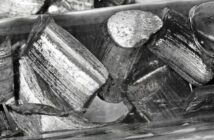
Black mass is an industry term for the residue that remains, after crushing spent batteries. The next step ought to be separating out useful materials, and re-using them for other purposes. Unfortunately though, that technology still tends to cost more than mining new minerals. The European Union has introduced tighter control over black mass that’s accumulating within its borders.
A Rationale for Tighter Control of EU Black Mass
Clearly, EU black mass holds future value, because a time will come when we must repurpose it. The technology to recycle the black residue is also improving, suggesting this process may become cheaper than mining new material faster than we think.
Those factors suggest that the European Union could be wise, to introduce tighter control of black mass at this time. However, the EU seems to be following an unusual route to achieve this goal.
The European Union has chosen to follow the route of classifying battery black mass as ‘hazardous material’, effective March 5, 2025. This step allows it to control the scrap in terms of existing laws, after a ‘scrutiny period’ of two weeks.
This means the Union can now restrict black mass exports to non-OECD countries (Organisation for Economic Co-operation and Development). And help retain critical battery materials in the EU’s own circular economy, according to Resource Media online.
A Move To Boost EU Economy and Sustainability
The European Union Commissioner for Environment, Water Resilience and a Competitive Circular Economy confirms, “To better protect the environment, the Commission will now classify black mass from batteries as hazardous waste.
“This will lead to better control of black mass shipments, and especially a ban on its export to non-OECD countries. By keeping black mass longer in the economy, we can boost battery recycling and our circular economy.”
Tighter control of black mass should therefore support the EU goal of shifting to a renewable economy, increasing security of supply for raw materials and energy, and enhancing the EU’s own strategic autonomy overall.
More Information
Refining Black Gold Closer to Reality
Purifying Battery Black Mass in Vegetable Oil