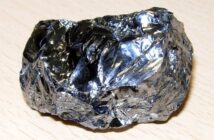
Mongolia is a landlocked East Asian country trapped between China and Russia. It is the least populated sovereign state despite being the largest landlocked country in the world. Mongolians remain deeply connected to nature. Yet their ‘Land of the Eternal Blue Sky’ is degenerating into a land of choking smog. This is from coal fires they burn in winter when average temperatures fall as low as −30 °C (−22 °F).
Genghis Khan’s Mongolia Falters before Global Warming

The Mongolian government has revealed average temperatures rose 2.2 °C (4.0 °F) since 1940 when it began recording. The global average rise is 0.85 °C (1.53 °F) since 1880. What is happening? Climate change is the major culprit.
“At the best of times, this is a fragile climate, with little rainfall and huge variations in temperature,” says Washington Post. This is why this vast territory called Mongolia supports a population of only 3 million people. However summers in the world’s most sparsely populated country are becoming drier. Furthermore “extreme climate events” are more frequent.
The Desert is Forcing Country Folk to Cities
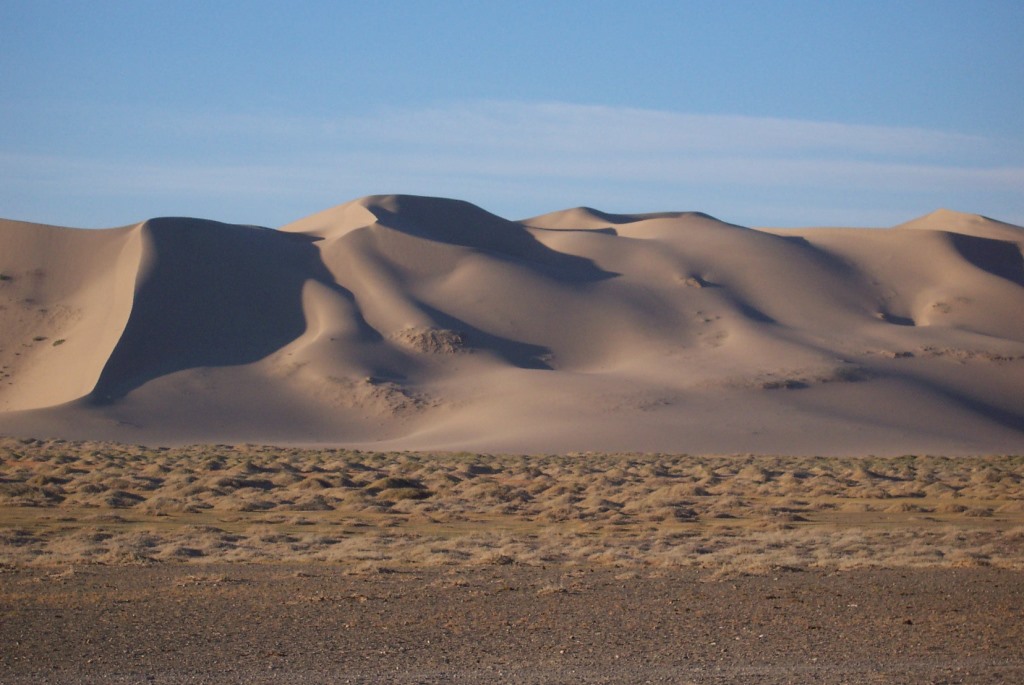
“Hundreds of rivers, lakes and springs have dried up across the country,” the environment ministry says. “And as the water retreats, the desert advances.” Last winter was exceptionally harsh after a dry summer.
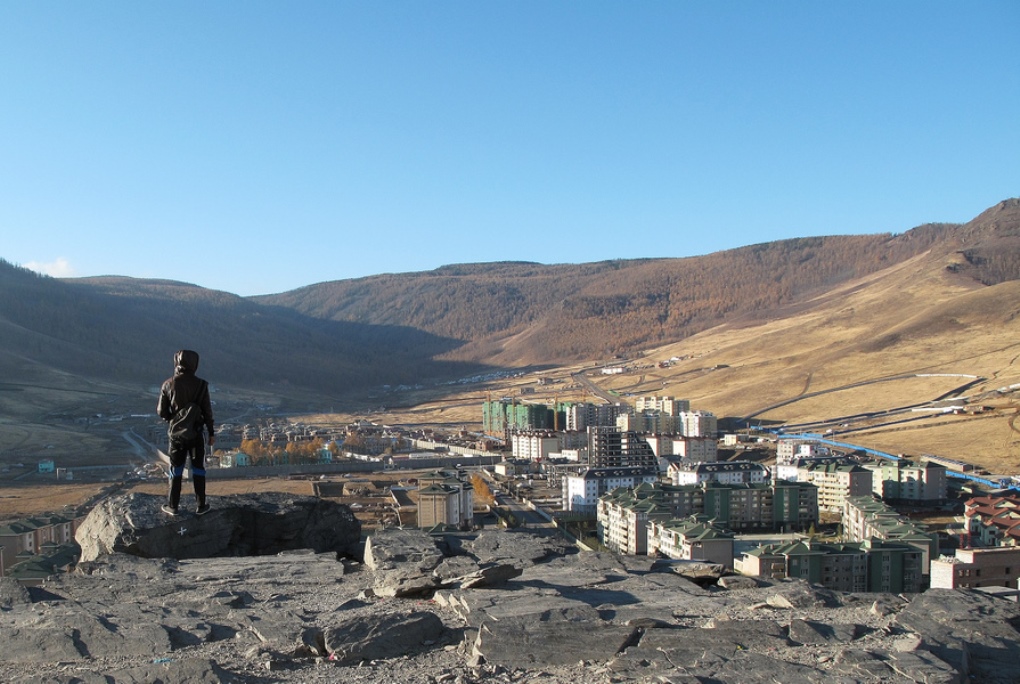
“Even if the animals dug through the snow, there was no grass underneath. We had to buy grass for them, but still many of our animals died,” rues a herder. A rural exodus to the cities has begun. Every year, thousands of herders give up the struggle and pitch their tents on the fringes of cities.
They only have coal for cooking and heating. As the skies darken, the fires burn, and the ash falls, weep for Mongolia. Weep for yourself too. Pollution in one part of the world affects all the others.
Related
Climate Change Denial Myths Exposed
Super Rich Will Survive Says New Statesman
Preview Image: Mongolia’s Gobi Desert