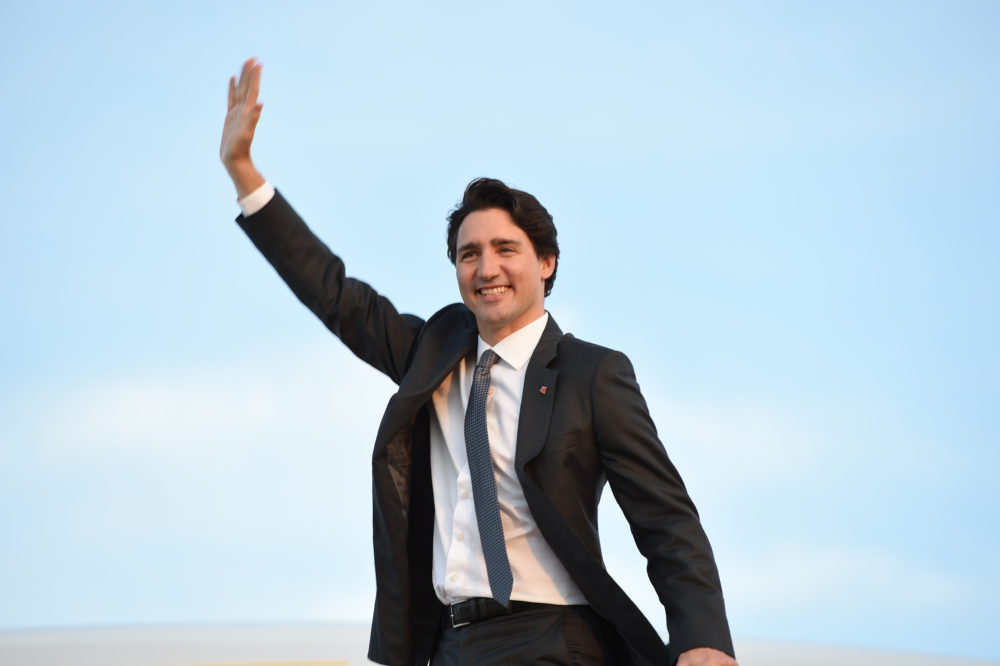
It’s no secret that Justin Trudeau has been a poster-child/man for environmentalism. In fact, it’s safe to assume that it was a large part of gaining the people’s trust and vote. He has gone through great lengths to secure his environmental credentials at home and abroad, often facing scepticism and resentment from our all too familiar neighbour.
Upcoming Election:
Next October, when Canadians look to cast their ballots, there are a few things at the top of their lists: jobs, the economy and foreign policy. But Canada is a country that’s also largely reliant on resource extraction, meaning that carbon taxes and pipelines are issues that also top the list.
Still, most Canadians are more comfortable with Trudeau in power over Conservative leader Andrew Scheer. But it’s still sort of up in the air when it comes to hard-core issues, factoring in the environment and its current state of fragility.
Trudeau’s Carbon Tax:
Last year, the federal government required that all provinces have a minimum level of carbon pricing and those who failed to do so would see the government implementing its own carbon tax in July 2019.
But Trudeau has faced increasing criticism from critics, including the NDP and Indigenous communities who claim that all of this goes down the drain by his support and nationalisation of an oil pipeline. The Trans Mountain Pipeline runs from Alberta to the British Columbia coast.
It doesn’t help that Doug Ford has repeatedly called carbon pricing the “worst tax ever.” At least five provinces have banded together to fight the tax in the courts — a battle that experts believe they will lose.
An Uphill Battle:
The federal Conservatives have pledged to repeal the carbon tax, and this comes amid reports that Canada is not on pace to meet its 2030 climate goals.
While carbon taxes are effective at reducing emissions they are politically a difficult sell because they are not seen as an effective policy option. The biggest emissions reductions in Canada came from the Ontario government’s closure of coal plants.
The plan to close all of Canada’s coal plants by 2029 will have greater impacts than the carbon tax. Still, the tax will remain at the forefront of discussions as the election date nears.
At the same time, the tax might be appealing from an electoral standpoint because all proceeds from the levy will be remitted back to households in the form of a cheque, which will arrive in the main in July.