Imagine if we lived in a world of quality batteries that lasted, and did not catch fire. Cheap lithium-ion alternatives have certainly set us back on that score. But at last there’s some progress under India’s electric mobility promotion scheme. Because this sets new standards for two and three wheeler batteries that are bound to shake up the market.
Why Is India Focusing On Two and Three Wheeler Batteries?
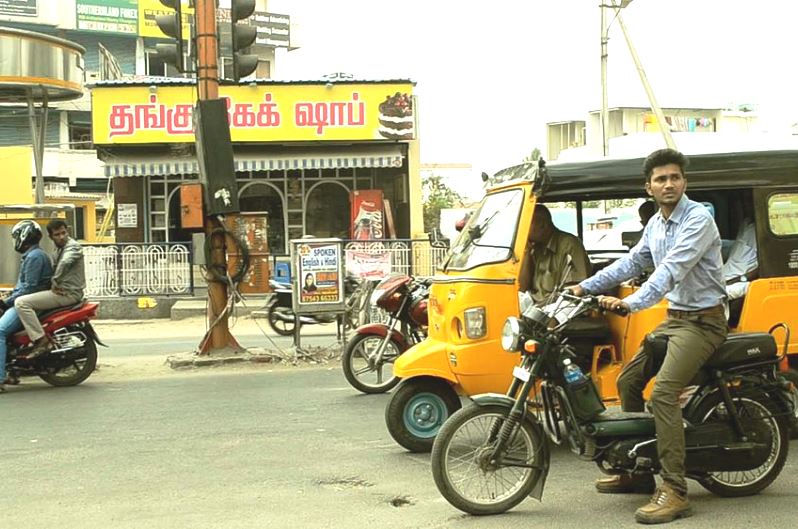
India’s road transport system is large and diverse to meet the needs of 1.1 billion people. Bus and train services cater for mass transport, while individuals and smaller groups favor three-wheeler taxis. Those who can afford the luxury hanker over personal two-wheeler bicycles and motorcycles, but that was just a broad overview of a multi-faceted topic.
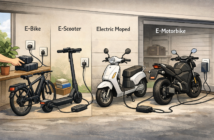
Global warming has brought combustion engines in mass transportation vehicles under sharp focus. Indeed, India is the second-largest user of petroleum products after China, making it a great opportunity for decarbonisation. Two and three wheeler batteries and electric motors are now appearing in large numbers.
However, many of these batteries are cheap imports with negative environmental impacts. India’s electric mobility promotion scheme aims to upgrade this situation to a point where two-wheelers and three-wheelers are manufactured in India to socially-responsible standards.
India’s Electric Mobility Promotion Scheme Makes Its Mark
India’s electric mobility promotion scheme offers subsidies for two-wheelers and three-wheelers, while e-cars and e-buses benefit under other schemes. However, the smaller vehicles must meet certain standards before they qualify:
- Manufacturers must provide three-year warranties on two and three wheeler batteries.
- There must be an after-sales battery service ‘to prolong the lives of the people’.
- The 2-wheel and 3-wheel manufacturers must ensure a high degree of local content.
- The 2-wheelers and 3-wheelers must carry 12,500 and 50,000 mile warranties respectively.
India is taking a bold step forward towards addressing concerns over battery longevity. These are currently holding many potential e-vehicle-converters back in various parts of the world.
More Information
Electric Mobility Promotion Continues in India