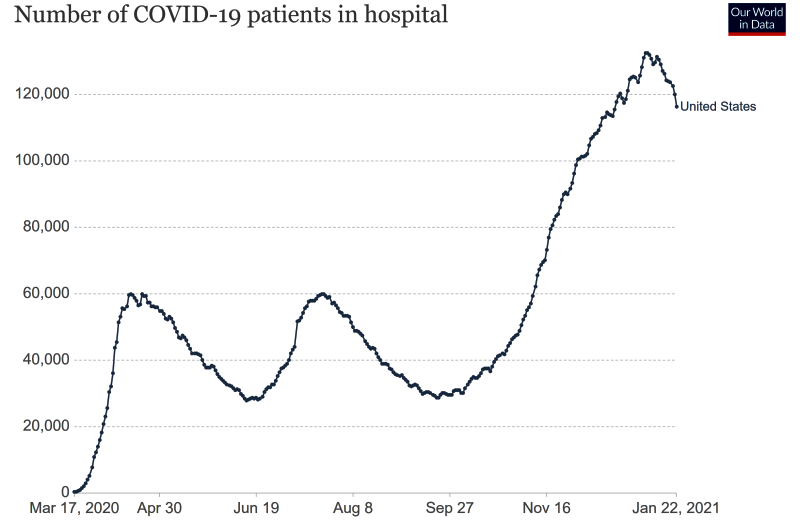
Total U.S. combat deaths were approximately 53,000 in World War One, 291,000 in World War Two, 34,000 in Korea, and 47,000 in Vietnam. Covid-19 has killed 420,000 Americans to date, just 5,000 short of that total according to USA TODAY. There are some things money can’t create in an instant. Two of five Americans face ICU shortfalls as we write.
Why Does That Matter… Can’t We Treat Them at Home?
Severely ill COVID patients – and that’s thankfully a small percentage – develop severe respiratory infections. Their lungs can fill with fluid to an extent they can’t inhale sufficient oxygen. The supply in their blood diminishes below the level that sustains life. Advanced medical treatments are available to counter this in isolated, intensive care wards.
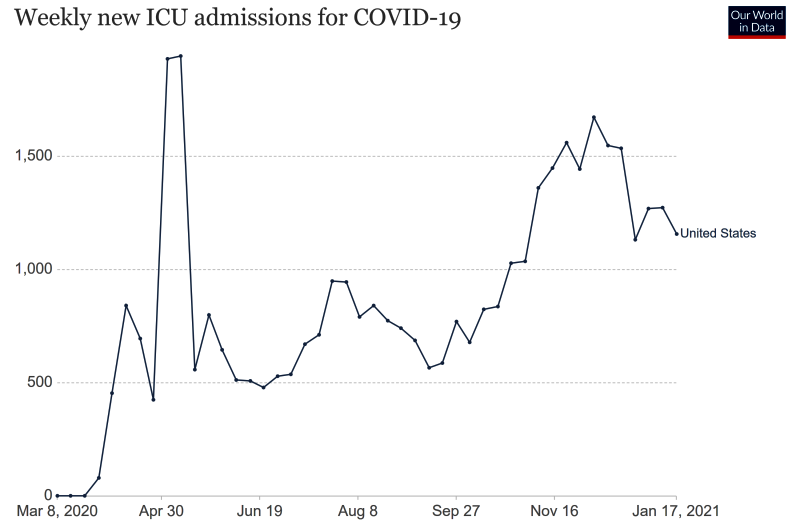
It can take five years – maybe longer to build additional facilities like that, and train health care staff to the level they can administer those treatments. Unskilled people would most likely cause more damage than good it they tried them at home. We don’t have the luxury of time on our side. This is why two of five Americans would face ICU shortfalls if they needed intensive treatment at this time.
Hope for Two of Five Americans Facing ICU Shortfalls
Supply and demand rules at U.S. ICU facilities, where doctors could face heart-rending choices. If we can’t increase supply immediately, then we have to reduce the number of Americans falling ill with COVID. And thereby the number requiring intensive care.
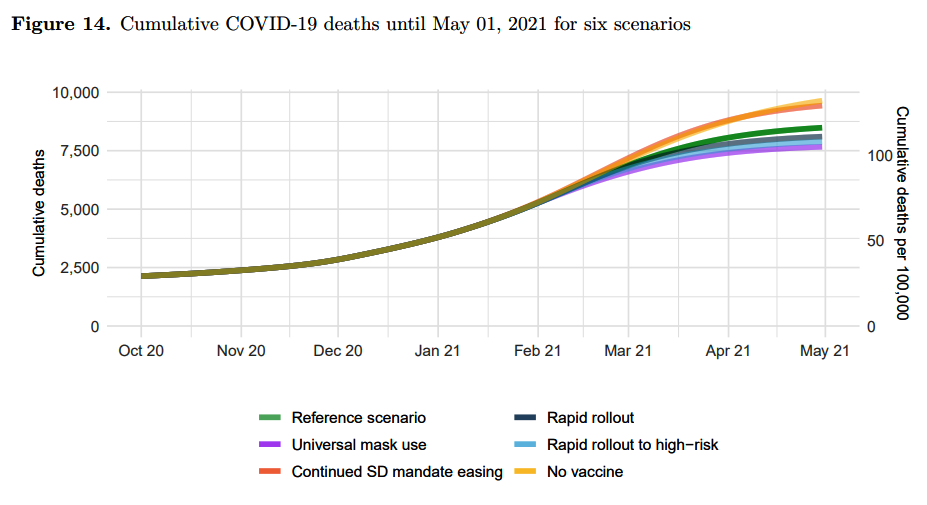
A model prepared by Institute of Health and Metrics at University of Washington predicts 168,000 new mortalities. These will bring total U.S. COVID deaths to 560,000 before May 2021. When we reach that point, at least 40 states will have high or extreme stress on their hospital beds. And 46 will have high or extreme stress on their ICU capacity as well. Unless we throttle back demand, which is beginning to look like a tough call.
Related
Life of an Intensive Care Nurse in Michigan
Worst COVID Nightmare, Rationing Resources
Preview Image: Patients in Hospital