Batteries are electro-chemical devices because they use chemistry to generate electricity. Most battery designs are similar in that they have cathodes, anodes, and electrolyte inside. Beyond that, they diverge into various battery chemistry types. The most common ones are lead-acid, alkaline, nickel-cadmium, and lithium batteries.
Lead-Acid: Oldest of the Various Battery Chemistry Types
Despite all the progress made since then, lead acid batteries are still the cheapest portable power source for larger voltage purposes. Thus, we find them almost universally in use as starter, and deep-cycle batteries. They have a downside though. They are large and heavy thanks to their lead plates. Therefore, they will probably never slim down enough to suit smartphones and other wearables.
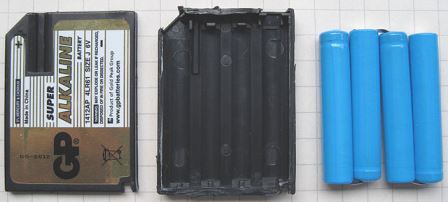
Alkaline: The First Compact Batteries in Commercial Use

Lead-acid batteries were the only type available for purchase in a store for over a century. Then alkaline batteries became the second of the various battery chemistry types to emerge for commercial use.
They created a social revolution by enabling electric torches and portable radios. Unfortunately, they do not hold their charge for long, although there has been some progress with rechargeable ones. If a battery label does not say ‘long life’, it’s an alkaline.
How Nickel-Cadmium Came to the Rescue of Consumers
Nickel-cadmium, or ni-cad batteries were a great step forward over alkaline. Because they are rechargeable, have a longer shelf life, and pack more power. However since they have their terminals in the middle at the top and bottom, they are usually round. This renders them unsuitable for the flat, thin batteries consumers demand for portable electronic devices. Despite this, global annual production is in the billions
Lithium-Ion: Best Among Various Battery Chemistry Types?
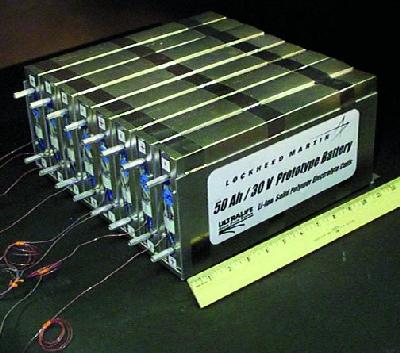
Just like politicians, it needed only a few ‘scandals’ to dent lithium-ion’s reputation. As things stand at present, they are undoubtedly the best solution for digital devices where small size matters. They have their detractors.
Nevertheless, thus far, nobody has produced a workable alternative in terms of volume. Hence lithium-ion will likely continue to be a market leader among the various battery chemistry types. At least for a little while longer, that is.
Related
What Happens Inside Alkaline Batteries
What is a Nickel Cadmium Battery?
Preview Image: Alkaline Battery Explained