If were watching lithium ions moving through solid electrolyte in real time, we would be at the heart of the next generation of rechargeable batteries. Would that this were so easy though! Battery scientists are coming closer to achieving this. But first, the obvious question, why would we want to do this?
Why Watch Lithium Ions Move In This Way?
Ions move through solid electrolyte in solid batteries as they charge and discharge. Achieving this is more complex than flowing though liquid electrolyte, although there are significant advantages.
A solid electrolyte may appear completely rigid at first sight. But there are tiny pathways, channels, and openings where we could see lithium ions skipping though faster, if we were watching lithium ions moving in real time.
Challenges Lithium Ions Encounter In Solid Materials
Although the ease with which the ions move, depends on the electrolyte crystal structure, the arrangement of atoms, and the energy required. Even small changes can open these pathways, or create bottlenecks, that slow ion movement.
Battery Scientists Are Moving These Obstacles Away
Researchers are investigating solid materials with higher ionic conductivity and greater chemical stability, but these must be practical too. They are also trying to understand how lithium ions find their way through the maze. If they could see this happen in real time, their task should be easier.
Researchers Watch Lithium Ions Move with Neutrons
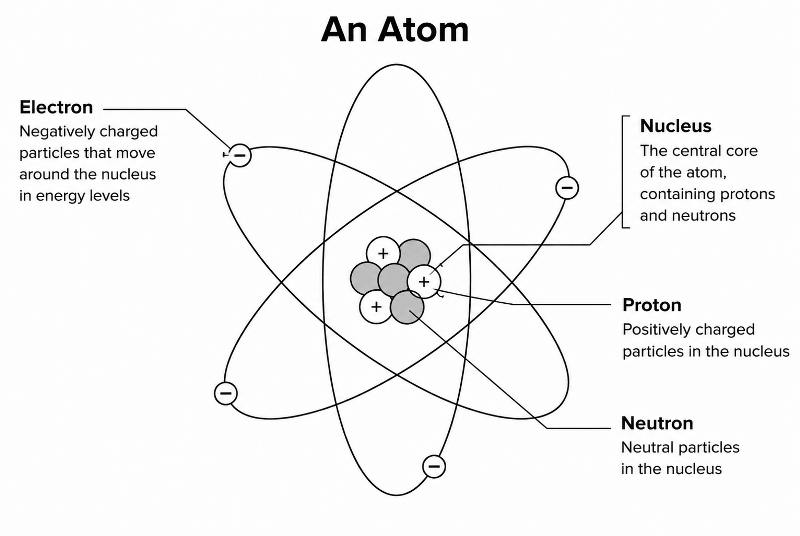
Scientists in France have achieved a break through! They used a beam of microscopically small neutrons to watch lithium ions moving inside a working all-solid-state battery for the first time.
They tracked the ions during charging, instead of examining the battery before and after testing. Very importantly, they saw that the lithium ions did not move uniformly throughout the battery.
Using Neutrons Might Lead To Better Batteries
This new understanding of ion transportation could help scientists improve battery design. We hope that watching lithium ions moving this way, will lead to more efficient, longer-lasting all-solid-state batteries in future. However, this may not happen for quite some time, because this was just a laboratory experiment.
More Information From Our Own Blog