We are in the midst of the worst global health pandemic for a century. Yet despite best efforts, many folk still don’t seem to understand what a coronavirus is and why it matters. This spins out into low global and national vaccination rates. We decided to get back to basics with some thoughts from John Hopkins Medicine, to see if we could make a difference.
Let’s Get to Grips with What a Coronavirus Is
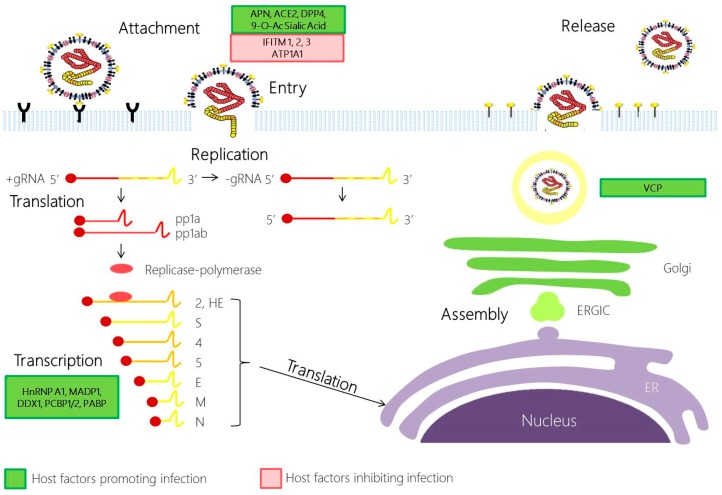
Coronaviruses are very tiny, in fact submicroscopic infectious agents. Particular ones travel between people, who share them in tiny droplets of moisture on their breath. The viruses start replicating immediately they get inside a new host. Then they are ready to cross to another person in droplets of their moisture, and begin a fresh cycle of infection. One contagious host can spread many infections in this way.
The COVID-19 coronavirus causing the pandemic first appeared in China on December 1, 2020. We don’t know exactly where it came from. It may have crossed from another living creature after mutating. It could also be the result of a laboratory experiment gone wrong. There is no absolute proof. Nobody knows for sure.
How Long Does It Take for a New Infection to Spread?
The new host takes a while to respond to the viral invasion. Our scientists understand what a coronavirus is. However, they can’t agree why symptoms take between 2 and 14 days to show after the infection.
What we do know though, is a new condition is infectious two days before that. And the infected person can remain contagious for 10 to 20 days. But this in turn depends on their immune system, and the severity of their illness.
We’ll continue on in the next post by describing the symptoms of a COVID-19 infection. After that, we’ll explore how to avoid catching the infection, and what do if you fall ill.
Breaking News
Why Do the Haredim Have More Infections?
The State of the COVID Pandemic in Russia
Preview Image: Coronavirus Replication Cycle