The year 2018 was the 4th hottest year on record according to the US Government. But that’s unfortunately not all. The past five years were the warmest since record keeping began in the late 1800’s. The World Wildlife Fund reports 14 weather and climate disasters each exceeding $1 billion hit the US economy hard that year. This post is about what WE can do to help mitigate this situation.
An Elevator Speech About What’s Happening How
The World Wildlife Fund says the global average sea level rose 7 to 8 inches since 1900. Ice melt from poles and glaciers is threatening low-lying areas with ocean surges. Warmer sea water is threatening coral reefs with extinction.
The Arctic is warming faster than any other part of the earth. It could become totally ice-free in summer by 2040, the World Wildlife Fund warns. Heat waves are becoming commoner across the US. Changes in the jet stream allowed the polar vortex to descend on North America. Floods have become our most common natural hazard. Their frequency has increased by 50% this decade.
What WE Can Do Personally to Try to Manage This
Global warming, leading to climate change is the proven result of human activity. We should therefore ask what WE can do about global warming as opposed to making generalizations.
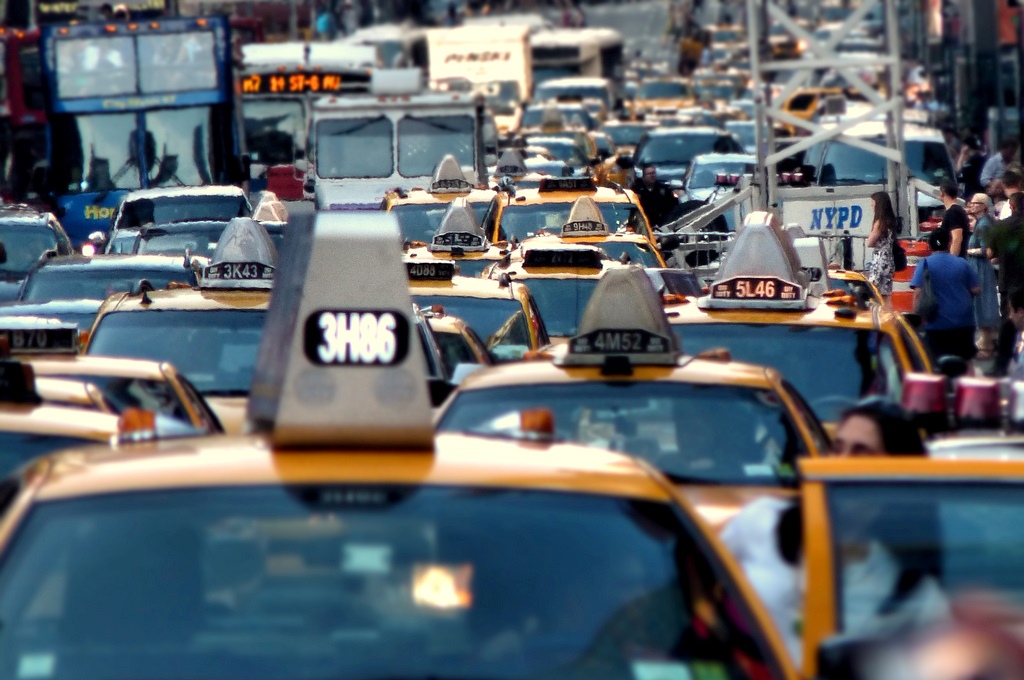
Electricity is a good place to start at home. Find a utility that supplies renewable energy. Install solar panels and storage batteries. Transport is the prime source of US global emissions. Try rideshare, walk or cycle to the shops. Food production produces a quarter of global emissions. That goes for the uneaten food we scrape off our plates too.
Climate change is impossible to ignore, but just needs the world to change to stop it in its tracks. If we convert two people and they each do the same and so on, and so on … our influence would soon grow to being the majority.
Related
Biggest Natural Threats to Humanity’s Survival
United Kingdom Environment Recovery Plan
Preview Image: Wasted Food Abandoned in a Restaurant