When did thermal batteries first appear? Thermal batteries emerged during the Second World War, when military engineers needed dependable electrical power for equipment that might remain unused for long periods before they needed it.
Ordinary batteries presented a problem. Their chemical reactions continued slowly during storage, gradually reducing their available energy. Liquid electrolytes could also create leakage and maintenance problems.
German Scientists Began a Different Approach
German scientists began developing a different approach. They realised that a battery could be kept inactive if its electrolyte remained solid and became electrically conductive only when heated.
This idea led to the development of the first practical thermal batteries during the 1940s. The technology is particularly associated with Dr Georg Otto Erb, who is credited with developing the early molten-salt battery system. This explains how thermal batteries first appeared?
One Important Application Was Germany’s V-2
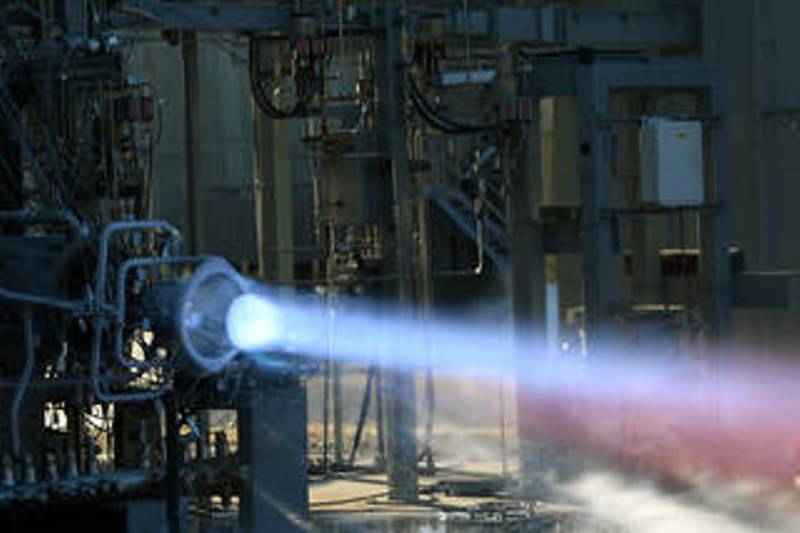
One important application was Germany’s V-2 rocket program. The batteries provided electrical power for equipment associated with rocket guidance and control. Rocket exhaust heat kept the electrolyte molten during operation.
Following the war, Allied investigators examined German technical developments. Thermal battery technology was brought to the United States in 1946, where engineers began adapting and improving it for other applications.
Early US Developments Included Calcium-Based Chemistry
Early American developments included calcium-based thermal batteries. These were common in military equipment, including proximity fuses to detect the presence of nearby targets.
Over subsequent decades, engineers improved the electrode materials, electrolyte mixtures, heating systems and insulation. Calcium-based systems eventually gave way to lithium-alloy and iron-disulfide designs, which offered important performance improvements.
These Developments Transformed Thermal Batteries
These developments transformed thermal batteries from relatively primitive wartime devices into highly reliable specialist power sources.
Today, the technology remains important wherever equipment needs electricity immediately after a long period of inactivity. Its original wartime purpose helped establish a battery design that continues to serve demanding applications.
More Information