Battery developments have been piling around us like leaves in the wind in fall. We publish news as it breaks, although most ideas seem to fade away since there is no commercial value. We thought it would be useful to summarize things as they stand. It’s an open question where batteries are heading in future. Let’s find out what two ABC News researchers discovered when they fished around.
Lithium Batteries are Still Firmly in Control
Elon Musk is continuing his efforts to roll out his huge giga battery factory. This confirms he thinks rechargeable lithium-ion is the direction where batteries are heading. You see, lithium is the lightest metal and stores the most electricity by weight. This makes it attractive for electric cars, solar batteries, and lighter phone batteries.
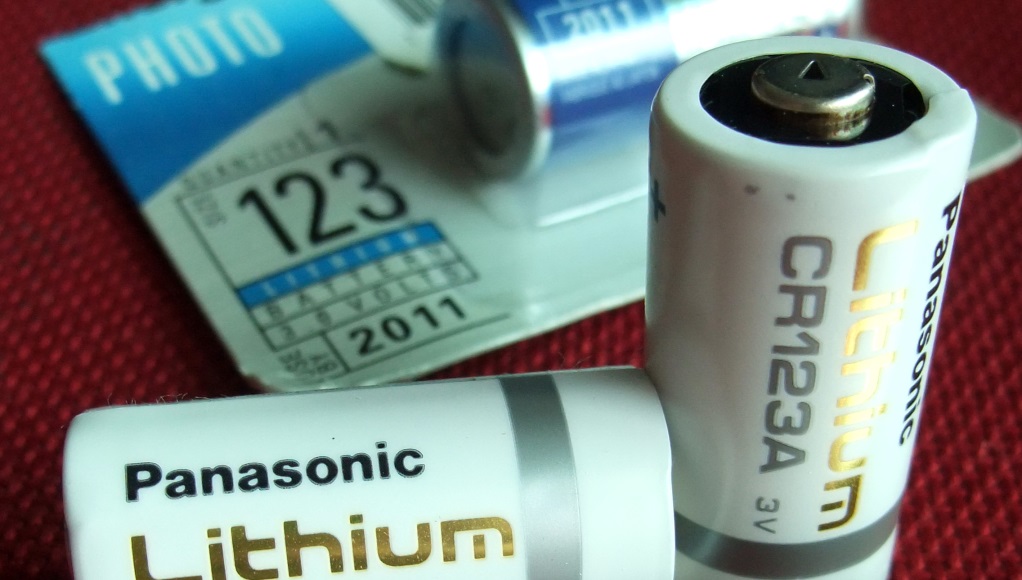
But there is a downside, an elephant in the sitting room if you like. Lithium battery electrolytes are flammable and catch fire when they overheat. There have been close shaves with aircraft. People have been hurt when their lithium-powered devices caught fire while charging.
Where Batteries Are Heading: The Essentials
The ABC researchers believe the main criteria ought to be higher density, faster charging, and reliable safety. The believe the future is in lithium-air batteries. Since these can store the power of 40 lithium-ion batteries. But, is lithium the only option?
Lithium-sulfur batteries may be where batteries are heading, but there has been little commercial uptake. Current prototypes are still no match for lithium-ion in terms of cycling lives. High density zinc-air is making inroads into hearing aid batteries though.

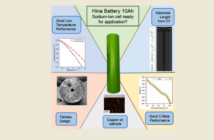
Sodium battery research is making progress as battery storage in offices and homes. There, price per kilowatt-hour is more important than low volume and low weight. The battery industry needs multiple solutions, including our solid, reliable sealed lead-acid batteries. We do live in fascinating times. We will continue to report news as it breaks.
Related
Could Zinc Replace Lithium-Ion Someday?
What are Lithium-Sulfur Batteries?
Preview Image: Zinc-Air Cell