It is winter in North America, and the season of flat car batteries (and burst pipes) is upon us again. Dealers may be rubbing their hands while motorists curse the weather on chilly mornings while they shiver. We decided to share our thoughts why car batteries fail more often when the temperature falls to freezing.
Why Car Batteries Fail in Winter: The FAQ
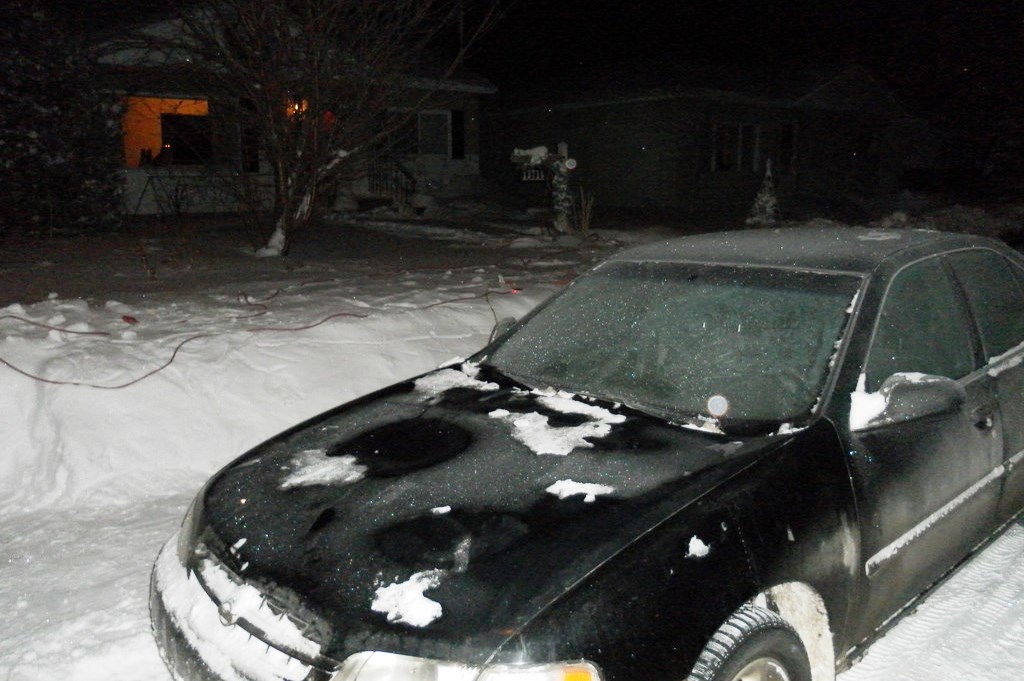
The problem begins in summer, when high temperatures increase the corrosion rate on lead-acid battery plates. However, the battery and engine oil are comfortably above freezing, and so all goes to plan. And we continue without doing a battery test.
Come winter though, low temperature reduces battery-cranking power, which can no longer compete against thickened oil in the engine.
That is why car batteries fail when it is cold because they are no longer up to their task. We have to call a technician. There is nothing else we can do.
Battery Chemistry and What to Do About This

Batteries that reach high temperature standing in open car lots in the sun frequently are at risk. This is especially true if their cars sleep outside on chilly nights. If you are unable to garage your car, then you need a battery with high cold cranking amperage.
This measures the amperes it can deliver for 30 seconds at 32 degrees F (0 degrees C). This ranges from 350 to 600 amperes for cars, and higher for commercial vehicles with larger engines. So much for science: but what can you and I do?
Battery Failure Counter Measures in Winter
Now we know why car batteries fail on cold mornings, we can be proactive and have our battery tested at the start of winter, or now if we did not. The process only takes a few minutes and some dealers won’t charge.
Since car batteries let us down without warning, it is a good idea to keep a pair of starter leads in the trunk. Please check with the dealer first, in case there is a risk of damaging electronic circuits when we use them.
Related
How To Winter-Proof Your Car Battery
Putting a Boat Battery To Bed for Winter
Preview Image: Please De-Ice Me