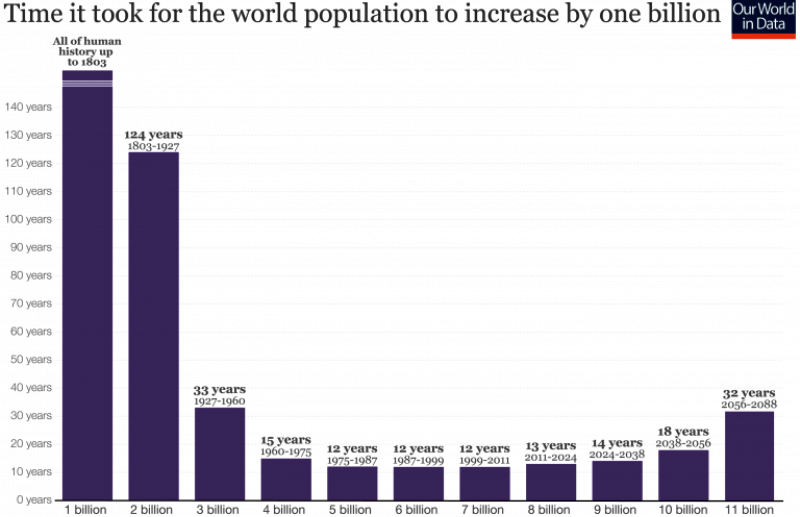
It’s almost as if Earth kept humankind in check, until the first industrial revolution. And then carbon began the global warming cycle, birth of mega cities, and spiraling population. These are in turn causing destruction of vast swathes of natural vegetation. World Wildlife Fund has once again warned loss of habitat could fuel another pandemic.
Zoonotic Diseases a Stark Reminder of Our Inter-Connectedness
All forms of terrestrial life exist on a spectrum. We share genetic components, and we can exchange viruses with animals across porous boundaries. SARS, Avian Flu, and MERS confirm this phenomenon.
Loss of habitat may also have fueled the COVID pandemic. However, we’ll set that debate aside, because this is not core to our topic today. Nonetheless, it does suggest managing climate change, population growth and zoonotic transfer should all be high on our agenda.
World Wildlife Fund says new infections from animals are most likely to occur under the following changing circumstances:
1… ‘Where land conversion for food and livestock production is destroying or fragmenting biodiversity-rich tropical and subtropical forests’
2… ‘Where trade and farming of wild animals is common, putting people and domestic animals in sustained, close contact with wildlife’
When Loss of Habitat Could Fuel Another Pandemic
Carbon hungry, homeless, and food-deprived populations are driving new roads into freshly deforested areas. This makes it easier for humans to come in contact with new viruses, and take them with them when they leave.
Others hunt for bush meat, and take it to fresh food markets alive or slaughtered. If a product carries a virus it could enter the human food chain, and kick start another pandemic. This possibility is statistically remote, but it has happened before.
If we want to derail the next zoonotic pandemic in its tracks, then perhaps we should consider tackling the root causes, as well as the symptoms of the infection.
Related
Why Your Friend May Not Want the Vaccine
Correlates of Protection And Vaccine Certainty
Preview Image: Nine Billion People and Beyond