We have been uncomfortable writing about United Kingdom, South African, and Indian variants as if those nations invented them, because this truly is a global pandemic. In each case, scientists have found the variants in other countries too. Who knows where else they might have originated first. Besides, it’s hardly a branding that rewards countries for reporting fresh discoveries. We were relieved when World Health (WHO) renamed COVID-19 variants using Greek symbols on May 31, 2021.
It’s Like Changing Your Abbreviated Name to the Real Thing
Of course, the difficulty is going be adopting the new labels. We’ll probably slide across via <new name / old name / covid variant> for a while. Thus the UK variant would become Alpha UK COVID Variant in the interim. Until the new association has crossed over in our minds, do you like that idea?
World Health Organization says it chose the Greek alphabet – alpha, beta, gamma etc – after wide consultation and a review of many potential naming systems. The Greek alphabet emerged nearly 3,000 years ago. Some of the greatest philosophers wrote their inspirations down in that tongue. We also appreciate the fact the ancient symbols are universal, and already used by different cultures and languages worldwide.
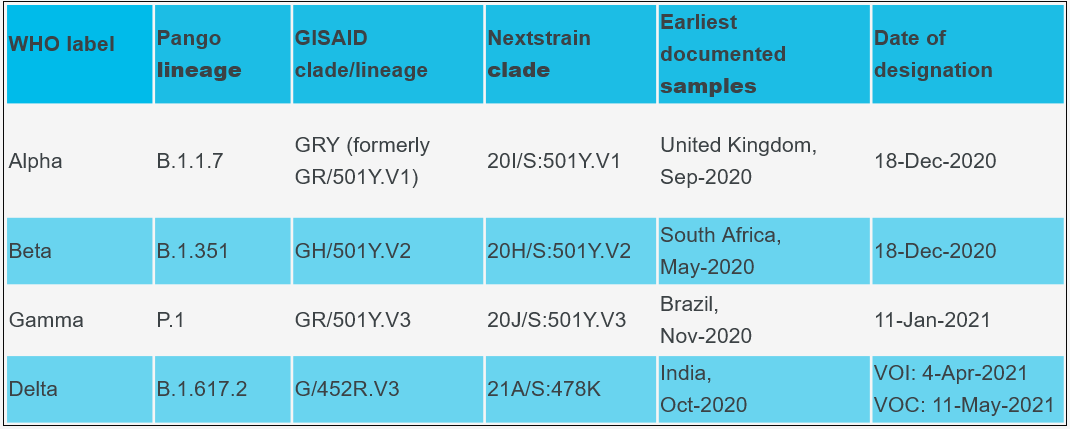
World Health Organization-Renamed COVID-19 Variants
However, the new names for COVID-19 variants won’t replace the titles GISAID, Nextstrain and Pango prefer (see tables below). That’s because their terms convey important scientific information, and will continue to be valuable in research going forward. But we hope those first WHO alphabet names will find widespread adoption among the general population soon.
NEW NAMES FOR VARIANTS OF CONCERN
The following variants of concern are more infectious than the original COVID-19. They threaten to diminish the effectiveness of public health and social measures, or available diagnostics, vaccines, or therapeutics.
NEW NAMES FOR VARIANTS OF INTEREST
The following variants of interest cause community transmission / multiple COVID-19 cases / clusters, or have been detected in multiple countries. Alternatively, the WHO SARS-CoV-2 Virus Evolution Working Group may have nominated them.
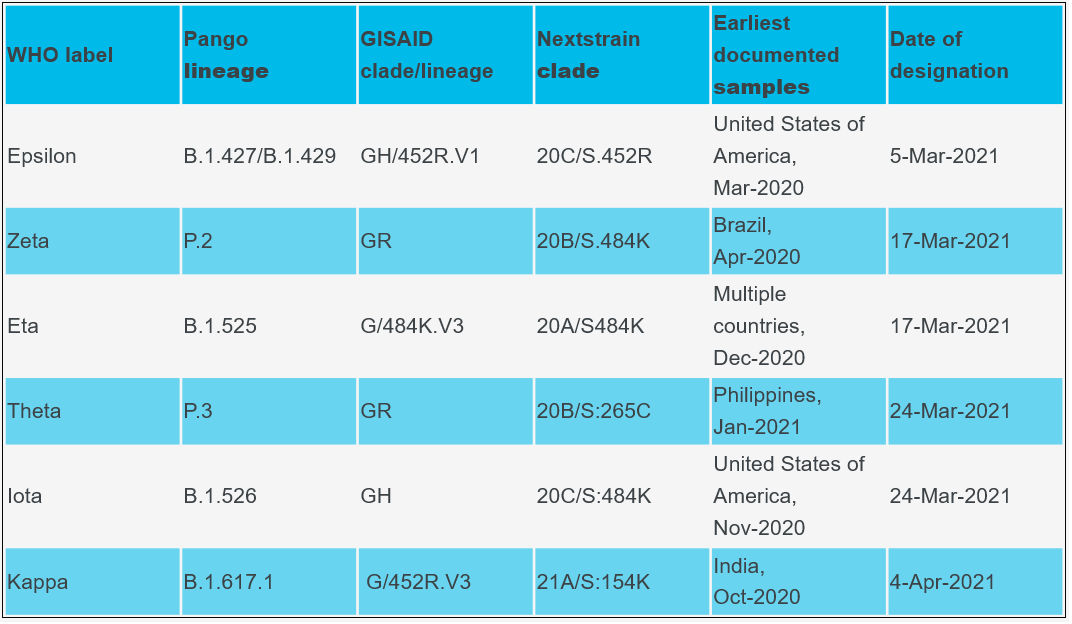
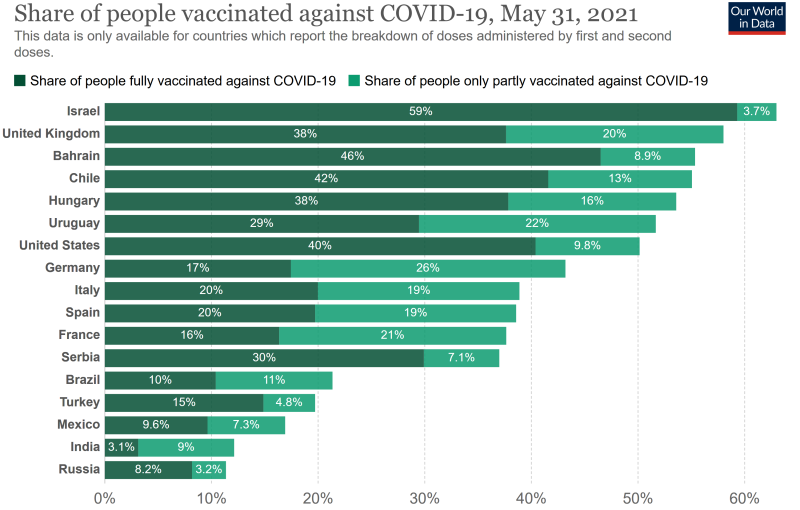
World Health renamed these COVID-19 variants of concern, and interest while rich and poor nations are vaccinating at an uneven rate. We hope and trust the ancient wisdom will show through soon, and that our World will conquer the disease in unity and triumph.
Related
About COVID Virus Variants and Vaccines
Proper Sanitation and Hygiene in a Pandemic
Preview Image: Share of People Vaccinated