The U.S. Department of Homeland Security Science and Technology Directorate investigated the stability of COVID variants. That’s because they wanted to know if their risk assessments for COVID-19 were still valid. They established the variants were equally stable in the environment, and hence this factor does not affect their transmissibility.
The Main Findings of Their Research
The team structured their April 2, 2021 report in the context of the probabilistic analysis for national threats, hazards, and risks. Then they published the following key findings in the Oxford Academic Journal of Infectious Diseases:
1… Simulated sunlight positively affects decay rates of infectious viruses
2… However, temperature and relative humidity have a lesser effect
3… Isolates of variants behaved the same way without simulated sunlight
4… But some isolates did display a slight difference under simulated sunlight
Natural sunlight degrades exposed viruses fairly rapidly. However, its intensity varies and so the scientists used consistent, artificial sunlight instead.
These results suggest currently circulating variants do not appear to have different decay rates. Dr. Lloyd Hough has the lead for the national hazard awareness and characterization technology center. He told News Wise feed:
1… There is still a lot for scientists to learn about the virus causing COVID-19
2… But this research shows variant stability in the environment is about the same
3… Therefore our risk assessments for COVID produced earlier still apply
These Risk Assessments for COVID Variants Matter
The national biodefense analysis and countermeasures center planned for the stability of the original virus, that first came to attention in Wuhan China. As new strains emerged it needed to know whether these affected the parameters of their policy.
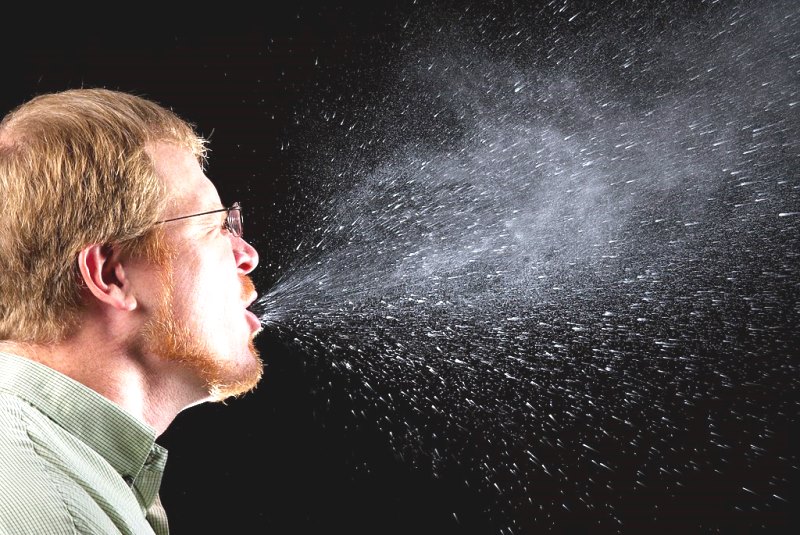
This research suggests that while certain variants may spread faster or be more lethal, they survive similarly in the environment. And therefore, if they have different transmissibility rates, this does not appear to be due to variations in aerosol stability.
Related
Does Sunlight Kill the Novel Coronavirus?
Boosting Our Immune System While Sheltering
Preview Image: Main Routes of Transmission