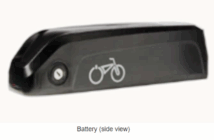
A battery gives you power to operate gadgets and a battery charger gives the battery power to continue working. So it’s important to know how a battery charger works.

Photo Courtesy: solarstik.com
Workings of a Battery Charger
As you know from a previous post, a battery converts chemical energy stored in it to electrical power. Once the chemical, or more specifically the electrolyte, of the battery is used up, the battery gets discharged. Now, theoretically, if we reverse the battery’s action, electrolyte should get restored to its original state. A battery charger is a device that does exactly this. It uses electric current to regenerate the used up electrolyte in a battery. The batteries that can be recharged using battery chargers are called rechargeable batteries.
Charger Capacity
A battery charger is always manufactured for a specific battery. The charger is rated in terms of the amount of current it will provide and hence time it will take to fully charge the battery.
Charge or discharge rate of a battery is measured in terms of C or C-rate (Charge Rate). C-rate is equal to battery capacity, which is measured in Ah. So, if you have a 2.5Ah battery, its C-rate is 2.5A. If its charger is rated C, it will provide a current of 2.5A and hence charge the battery in 1 hr. If the charger is rated C/2, it will provide a current of 1.25A and hence charge the battery in 2 hrs.
Overcharging the Battery
A battery charger provides DC current to the battery to restore its electrolyte. Ideally, when (almost) all the electrolyte of the battery is restored, the supply of current should stop. I say almost because some electrolyte is always lost during charge/recharge cycle and 100% charging is not possible. Otherwise, a rechargeable battery would go on working forever!!
Anyways, what I was saying was that once a battery is fully charged, charging should stop immediately. But this is not the case with most of the standard chargers. They have no way of knowing that battery has been charged fully, so they keep supplying power to the battery. This is called overcharging.
Overcharging damages a battery and reduces its life. However, some intelligent chargers detect when a battery is fully charged and do not overcharge them. Otherwise, you simply need to keep a tab on when you started charging and switch off the charger accordingly.
Now I believe you are charged enough to choose the right battery charger. You just need to see its C-rate specification as well as whether it is a standard one or intelligent one.
Related Posts
Is Your Battery Charger Intelligent