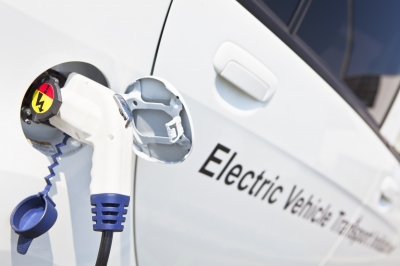
Electric vehicle supply equipment refers to the charging equipment of electric vehicles. Also known as the EVSE, it enhances the safety of both the source and vehicle during the charging process.
An EVSE is an extension of the distribution system. For some charging stations, the infrastructure impact will be minimal. They only have to install a two-pole circuit breaker, wiring and then the EVSE. However, others will need a more complex upgrade. It includes a new load center, upgrade of service and transformer, long wiring distances, wall conduit, etc.
All EVSE charging stations require the implementation of the following safety precautions:
- Two-way communication system that ensures the current passing through the vehicle will not exceed the limit of the wall charger and the car.
- Safety lock-out to keep the current from flowing until it is plugged into the vehicle.
- No need to adjust the on-board charger to prevent the power from exceeding the limit of the circuit that the car is plugged into.
There are three levels of Electric Vehicle Supply Equipment.
Level 1 are the standard outlets at 120 volts. Most of the new electric vehicles come with a charging cord that is compatible with this level. The charging of the vehicle on this level will take around 8-16 hours and is usually done at home.
Level 2 charges vehicles with 208 or 240 volts. It allows the electric vehicle to charge in 4-6 hours. It is great for overnight charging. It is the most popular way to charge an electric vehicle. It is available in private facilities and public places like parking garages or commercial businesses.
Level 3 is also known as the fast charging option, and is the equivalent of a commercial gas station. This type of EVSE will give vehicles 80% charge in 30 minutes or less. These units can be expensive and operating them requires training. Also, not all vehicles are equipped to accept Level 3 charging.
Related Articles:
A Brief History of Electric Vehicles
How to Avoid Battery Failure in your Electric Vehicle