Aninternal short in a battery is triggered by various causes. Also referred to as a short-circuit, it usually happens when the separators in a battery melt because of an overheated cell. The heat increasingly damages the separator, creating a vicious cycle of short circuits.
In most cases, the damage in the separator is initially caused by external factors, usually a defect in the cell package. But there are also other factors that can cause an internal short.
For instance, if sloppy manufacturing caused the plates to touch each other, that can lead to a short circuit. This connection will cause an unusually high thermal buildup that will ruin the rest of the battery. If this is the problem, then there is nothing else that you can do about it.
Another cause of an internal short, albeit considered a soft short, is when large growths of sulfite crystals are formed as the plates contract or expand during charging or discharging. This increases the discharge rate of the battery, which can become a real problem for deep cycle batteries. It is usually difficult to detect and failure to do so will lead to the premature replacement of a battery.
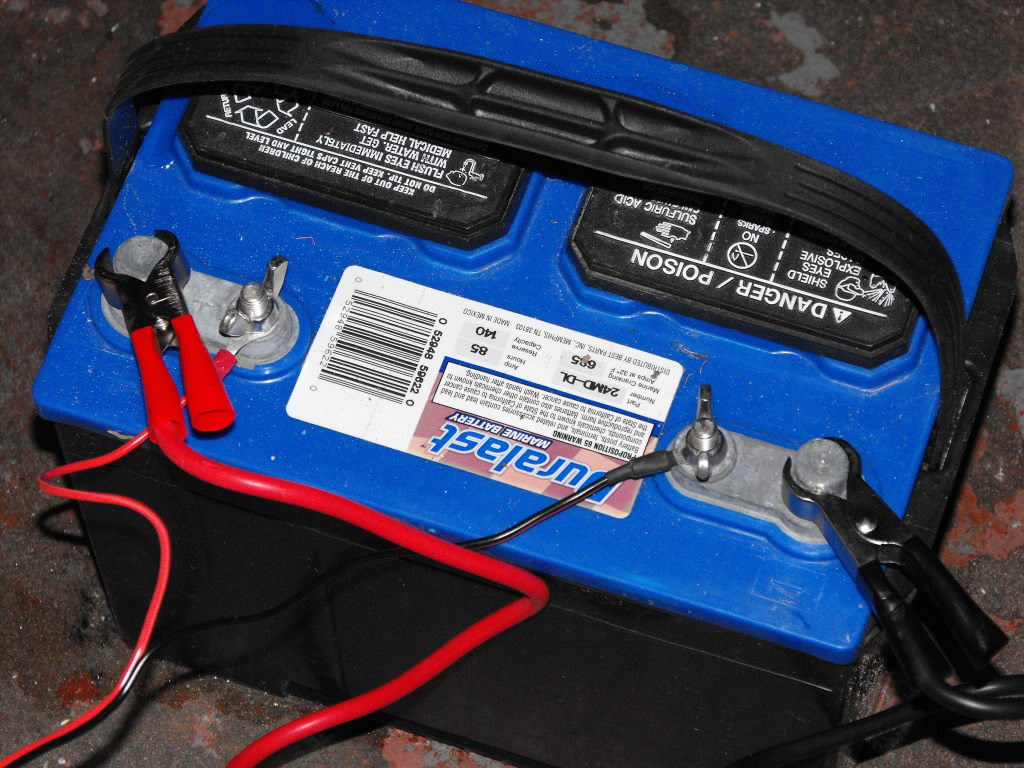
In most cases, an internal short is irreversible as it is oftentimes caused by a manufacturing problem. If you notice that a battery is not acting as it should early on, you have to inform the manufacturer so they can give you a replacement. Once faced with an internal short problem, isolate the battery so that it doesn’t destroy the charger as well.
Implementing the proper battery maintenance practices should help keep minimize the occurrence of internal shorts. Making sure that the battery is stored in moderate temperature is one of the best ways to keep this from happening.