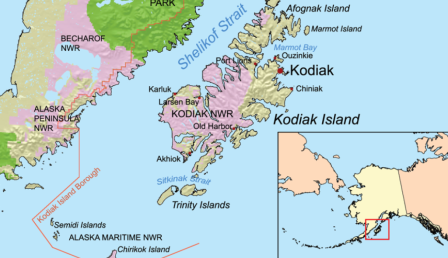
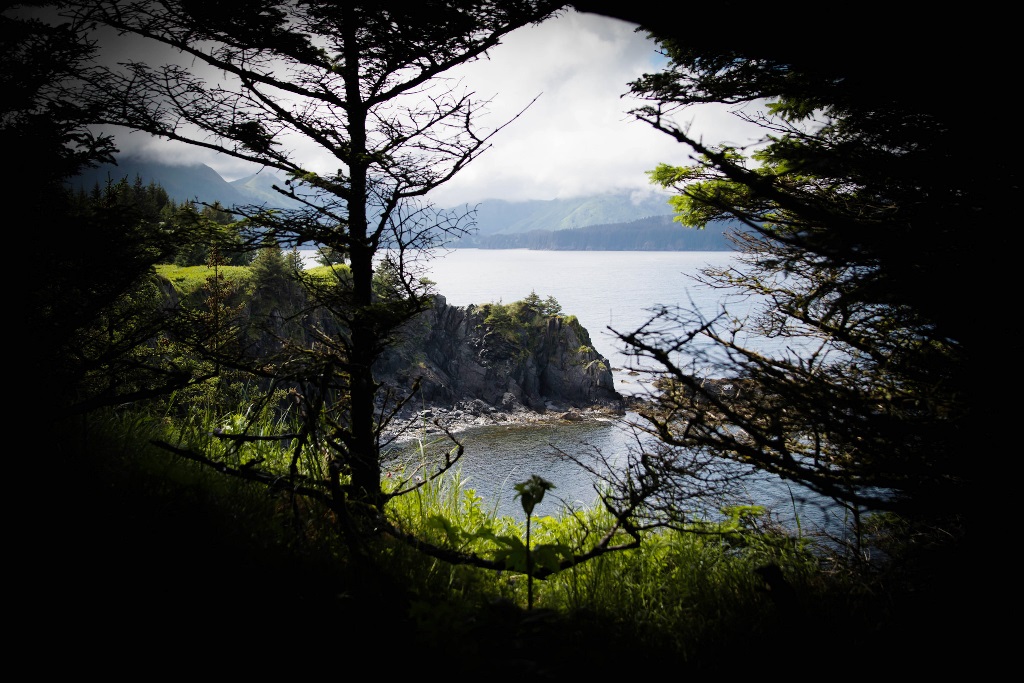
Kodiak Island off the Alaska mainland may be one of the remotest places on earth. For it is near the point near where the long archipelago reaches out into the Bering Sea. At first sight, it may appear to be a white wilderness, but in fact it has a rich green environment. Moreover, since hurricane season we are beginning to appreciate the greener future Kodiak promises too.
Kodiak’s Energy-Hungry Salmon Harvest
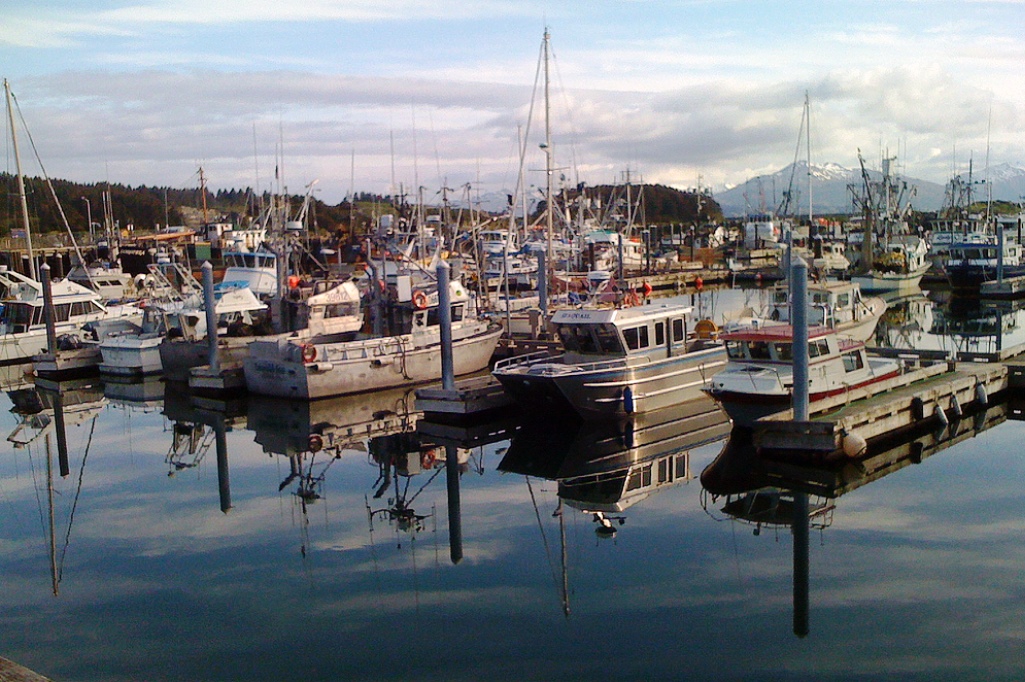
The ocean around it teams with wild Alaskan salmon. These beauties are a powerhouse of vitamins, minerals, lean protein, and omega three. They say eating the oily fish once a week extends your life by two years, and reduces your cardiovascular risk by 35%.
However processing them is energy expensive, thanks to cooking, canning, and freezing machinery that dwarfs workers. Hydroelectricity became insufficient 20 years ago. The diesel bill began to threaten the economic future of the island. That is, until the islanders seized a greener future in their hands.
How Kodiak’s Greener Future Points the Way for Others
Wind turbines on hills overlook the town and meet Kodiak’s energy shortfall. “We are up to 99.7 percent renewable energy,” says Lloyd Shanley, power generation manager at Kodiak Electric Association. Energy prices have remained stable ever since, but they still had one more challenge to meet.
That challenge was a huge 340-foot crane for lifting containers on and off visiting ships. The final solution for a greener future for Kodiak turned out to be two flywheels inside trailer-size structures. In quiet periods, they rotate to absorb surplus electricity as energy. Then they reverse the process if the wind drops to share the load.
This stabilizes the local grid with the healing power of batteries. Alaska has been offering a greener future for over fifty years. Perhaps we should respond to its call, and return the complement for the sake of all the people.
Related:
Connecting Flywheel Energy to the UK Grid
Why Eigg Is the Greenest Island in The World
Preview Image: Kodiak Island