Until the dawn of the 18th century, humans lived within the limitations of themselves and the climate. True, we had learned to harness animals for transport, and to till our fields. We had also learned to build snug houses, and to warm them in winter by burning wood, and sometimes coal. Climate change history only began when a British ironmonger named Thomas Newcomen invented the world’s first commercial steam engine.
How Thomas Newcomen Began Climate Change History
Thomas Newcomen, born 1664 was an ironmonger who fabricated items from metal. Over weekends, he was a lay preacher who may have ‘breathed ‘fire and brimstone’ over the congregation for he knew the forge well where he heated his materials.
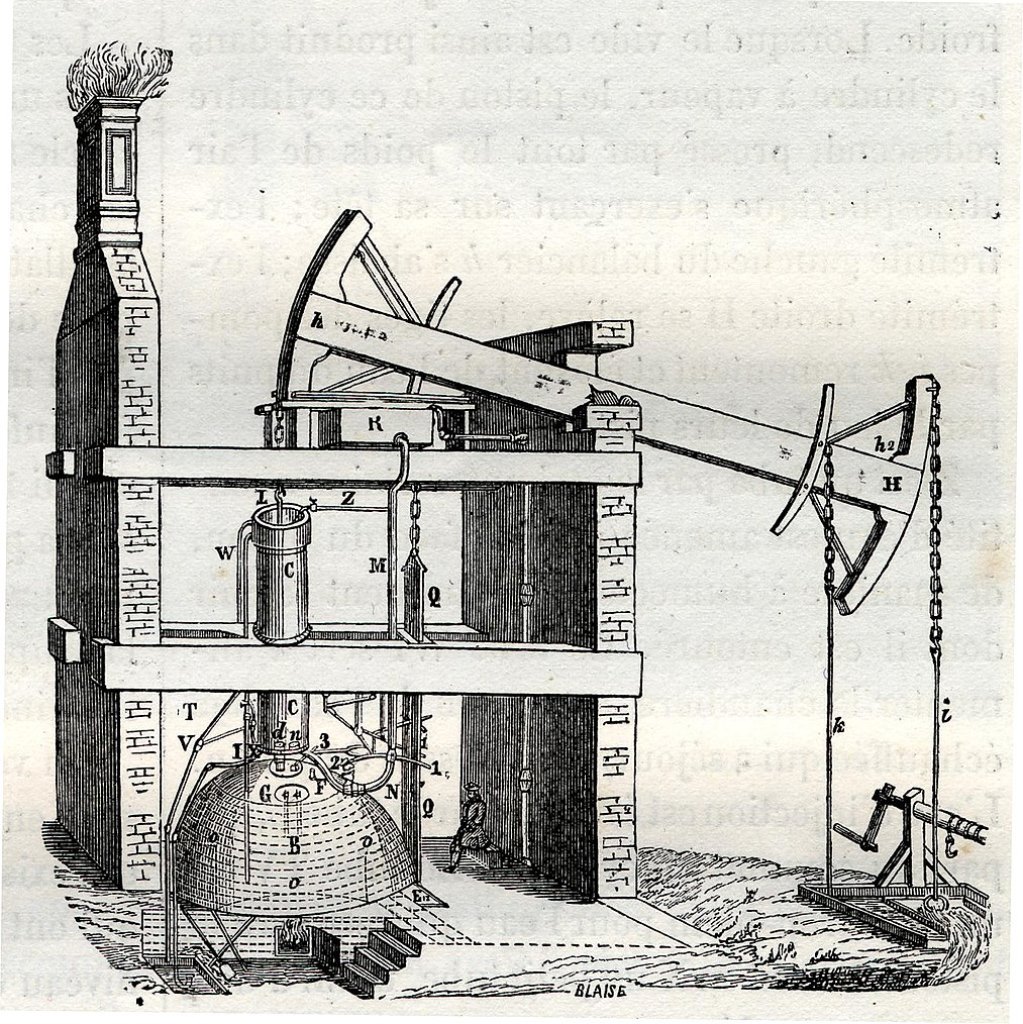
Thomas, and his partner John Calley invented an atmospheric steam pump in 1712, to draw water out of tin mines. This moved a wooden beam back and forth to create a siphon effect.
Thomas Newcomen’s invention single-headedly replaced human effort, buckets, and mule carts with a machine burning fossil fuel. By 1733, 124 Newcomen steam engines were emptying flooded copper, tin, and lead mines in northern England and in Europe too.
How the Industrial Revolution Rolled Out
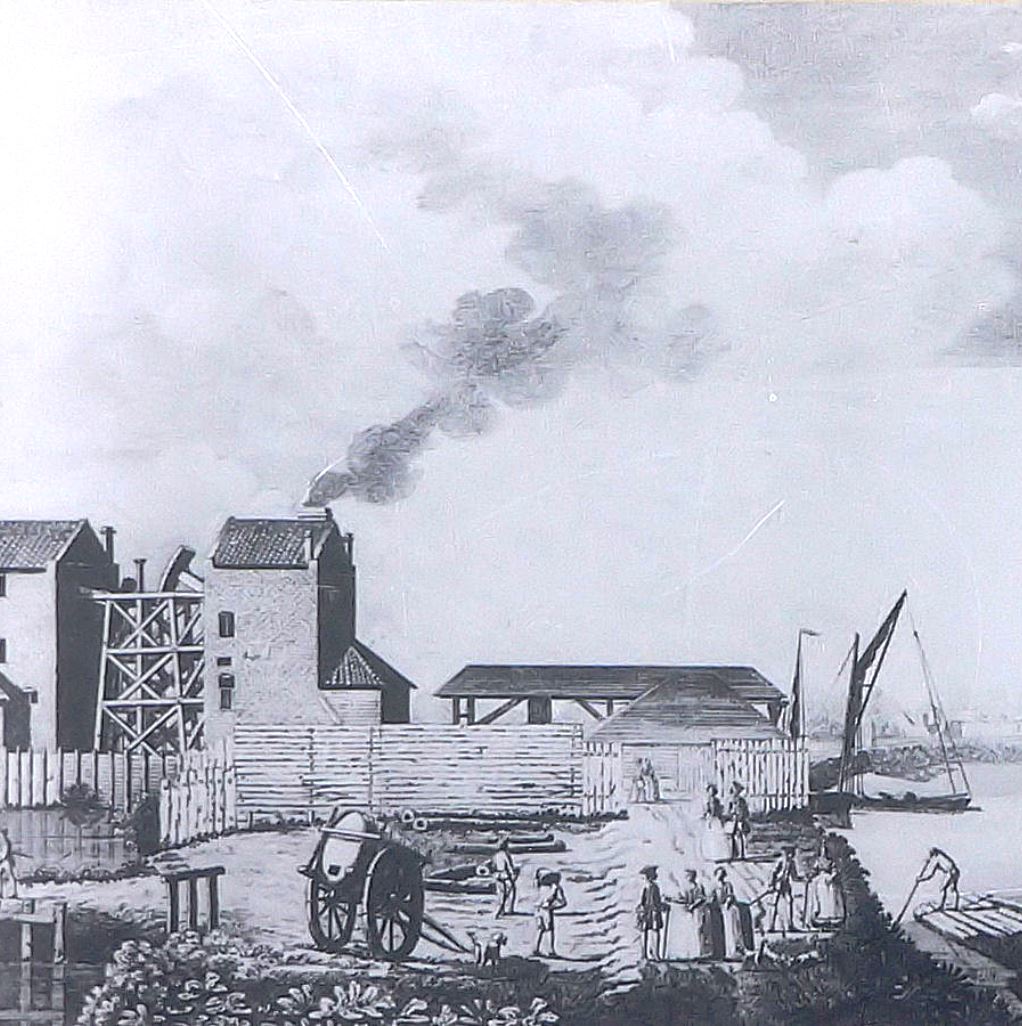
These mines in turn provided raw materials for the steel that revolutionized industry.
Home cottage workers flocked to new factories that provided work through all seasons. The death rate among children from malnutrition fell. The world was on a wave of progress, or so it seemed.
In 1800, the world population reached a billion souls. Colonialism spread throughout Africa and South America, ever greedy for raw materials and cheap labor. The first great deforestation occurred as ancient forests sacrificed in the name of progress.
However, there was more climate change history to come, including the discovery of the greenhouse effect in 1824. The earth was beginning to grumble about all the abuse, and scientists were starting to notice warning signs.
Related
How Deforestation Started Climate Change
How Colonialism Accelerated Climate Change
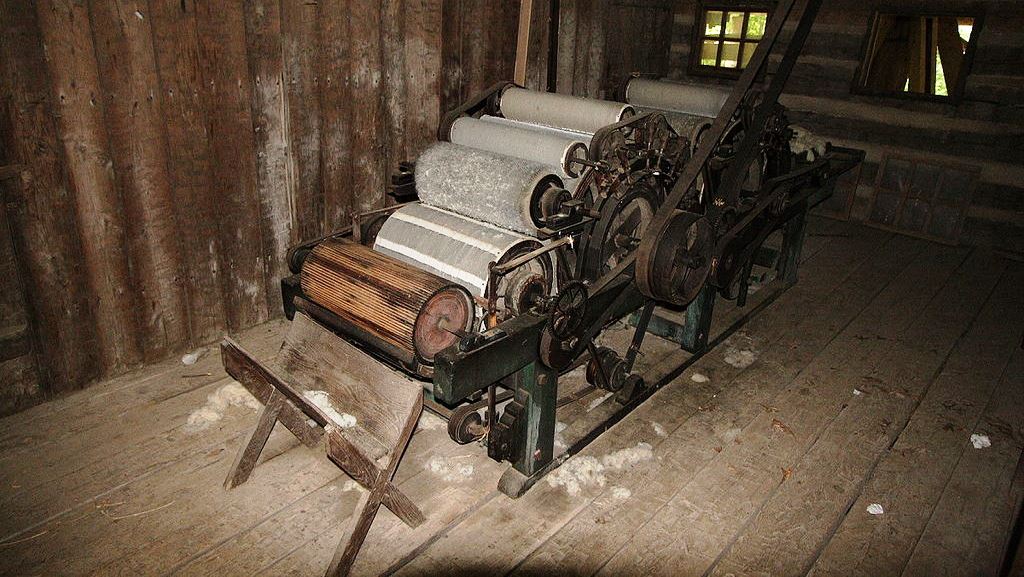
Preview Image: Cottage Industry: 19th Century Ox Powered Double Carding Machine