The global lithium-ion market is expected to reach $93.1 billion by 2025. Given this massive projection, it doesn’t seem like lithium and cobalt (two of the main components in lithium-ion batteries) have much of a sustainable future. Studies show that there are other means of replacement via greener elements. However, the reality is that those are costly and not market-friendly.
Why Green Energies Won’t Take Off: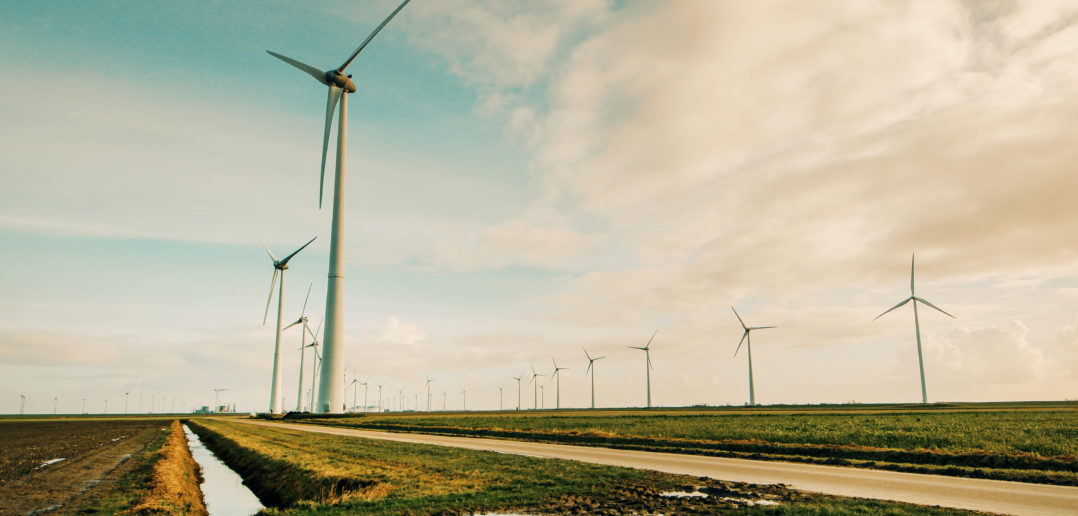
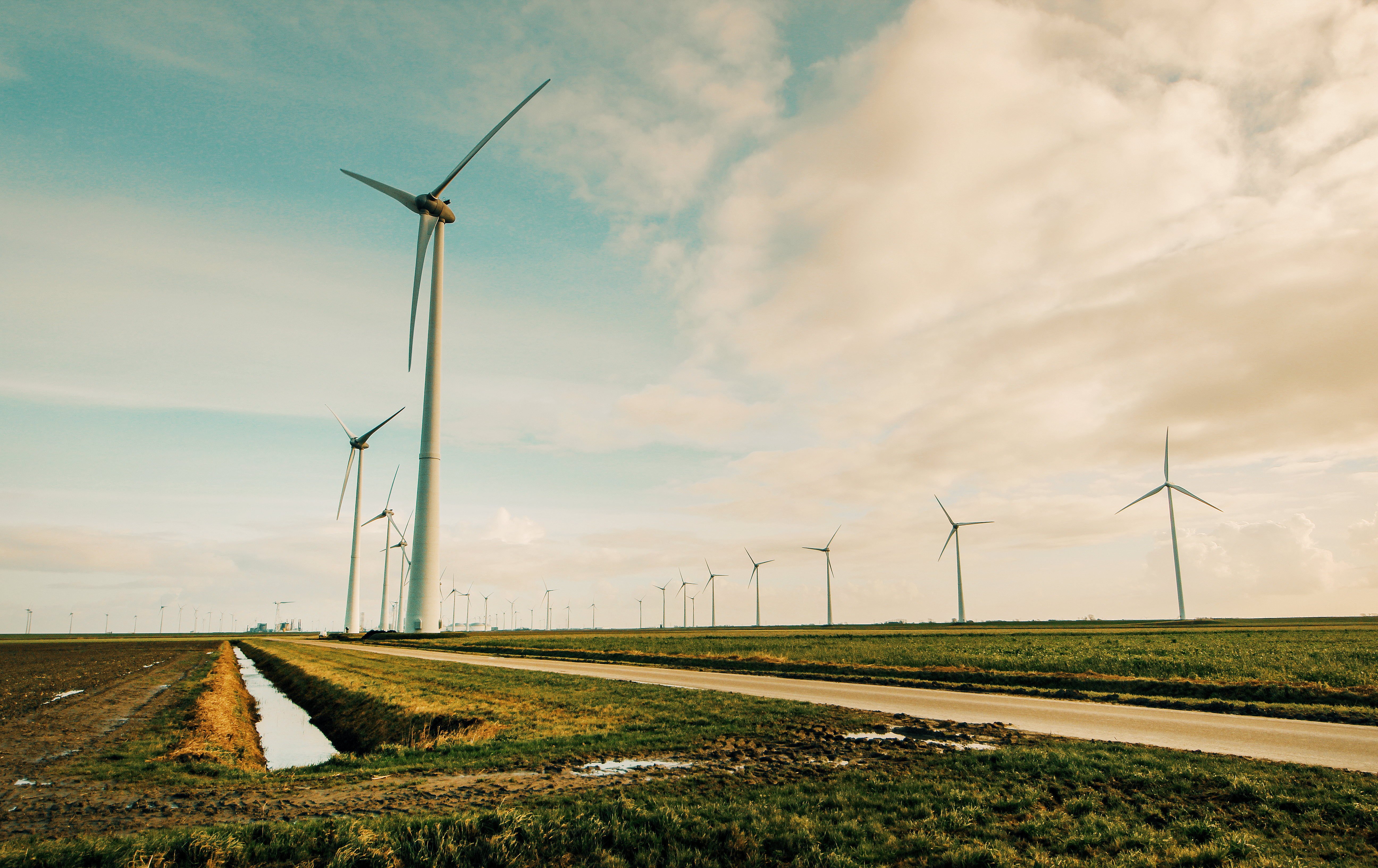
One of the reasons that green energies don’t take off is because they require critical metals, which are highly scarce. We simply do not have enough raw materials to make them. For instance, wind farms have turbines that are often idle because they require components that may be more superior in reliability.
Those components come from rare earth metals. Likewise, florescent light bulbs can be dozens of times more efficient than the standard bulb on the market, but rare metals are difficult to harness and gather. They’re also extremely expensive.
Geology and Politics Often Don’t Mix, or Make the Best Decisions.
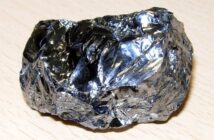
Thin, cheap solar panels require tellurium, which is scarce and makes up 0.0000001 per cent of the earth’s crust. This makes it three times rarer than gold. High performing batteries require lithium, which is extracted from pools in the Andes. Platinum that is needed to fuel cells that convert hydrogen into energy mainly comes from South Africa.
These are some examples of how scarce and difficult to extract these resources are. We know this, yet governments don’t want to work toward sustainable policies, and efforts toward greener resources. Market prices are not regulated to reflect sustainability issues, and until they are, it’s going to be an uphill battle.
In 2011, the average price of rare earth minerals, which includes terbium, europium (used in fluorescent light bulbs), and neodymium (magnets that help wind turbines and electric engines) shot up by 750 per cent in that year. Again, government agendas don’t mix with geological realities.
Recycling Metals is Highly Difficult:
Even though there is high demand and cost associated with metals for energy technologies, small amounts of these metals are actually recycled. There are 49 million tonnes of electronic waste that are produced each year (and numbers continually increase). Only 10 per cent of that is recycled.
A big part of this is because it’s difficult to extract these metals out of our technologies given that they are incorporated in small amounts. In fact, some argue that it is even easier to separate these complex minerals from simple rocks than from complicated phones. But it’s possible, given that there is effort, and whether it’s economic.
Removing Metal From Big Devices:
One of the hardest processes is the removal of metal rich components from large devices and machines. It often becomes the task of low paid workers in China or Nigeria.
The removal process can be exceedingly harmful to humans and to the environment. Ironically, in efforts to make the environment more sustainable, it often requires harming it. This is a double-edged sword in the world of energy technologies.
A study on the recycling rates of 20 products ranging from metal to plastic found that the highest rate of recovery was lead-acid batteries. These are primarily used in automotive industries, and their recovery rate is 98 per cent compared to 50 per cent for aluminum cans. Manufacturers should be responsible for recycling their own products and making them easier to reuse.
What’s next?
Either battery components will run out, or efforts to use green energy will fade out.
Related: