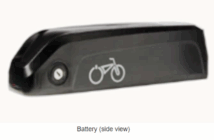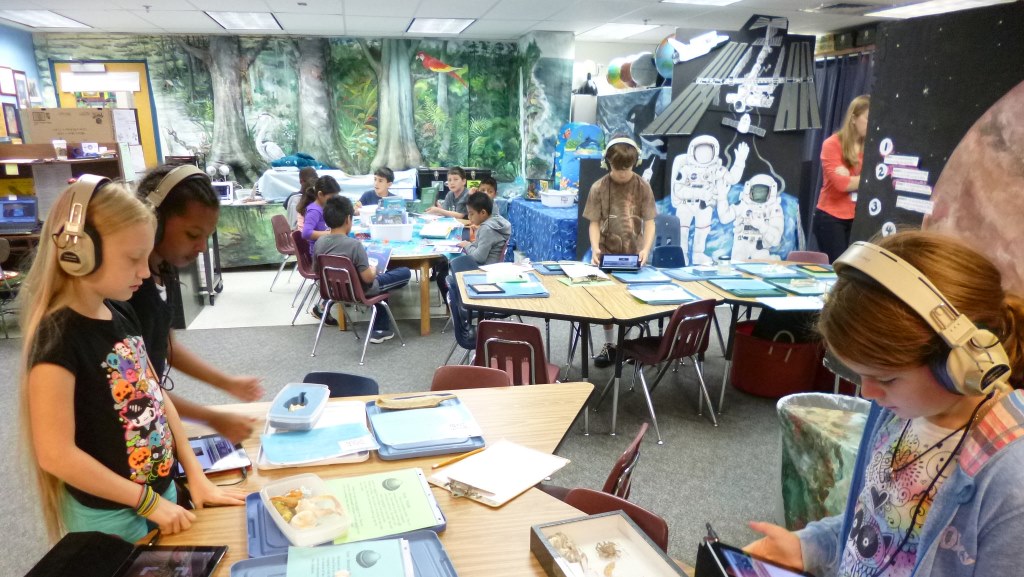
From time to time, we get a call from a teacher or parent concerning battery safety tips for primary school children. These may coincide with a button battery accident, or a lithium battery exploding while charging. We provide this information in good faith. And on the basis that all work involving batteries by primary school kids must be under close, personal, and direct supervision.
Basic Battery Safety Tips for Primary Schools
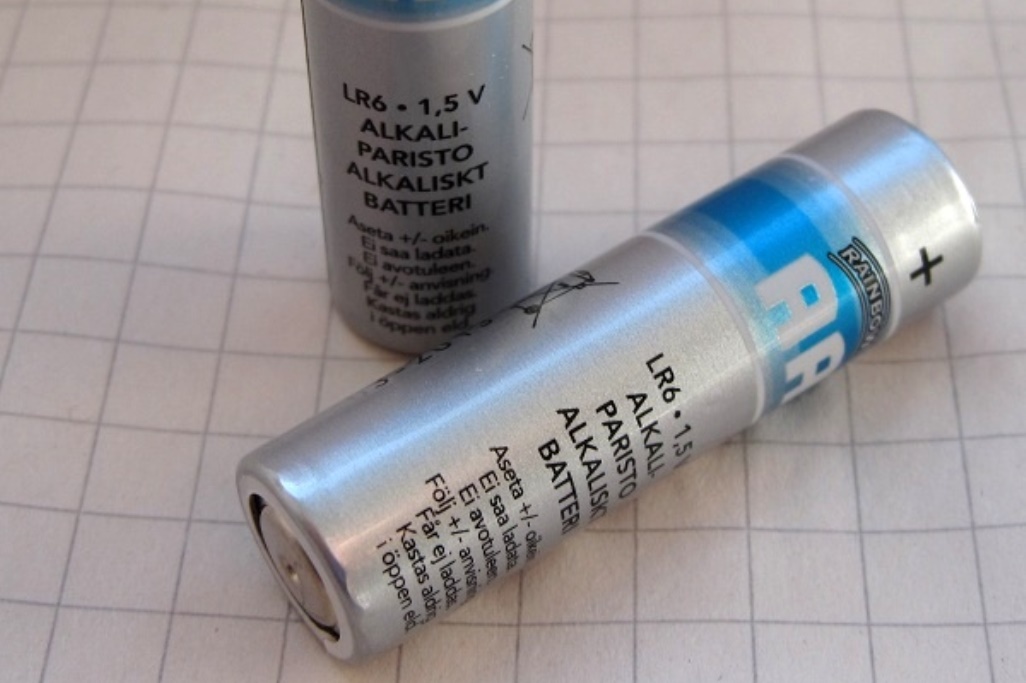
We found these tips in OneSource School’s Health and Safety Manual for the London Borough of Havering. We believe these basic battery safety tips for primary school children to be trustworthy advice. Although we would add, “If anything does not seem right, stop the experiment”.
We agree that rechargeable batteries are unsuitable unless students are under direct supervision. Because they become hot in a short circuit and can burn small hands. Furthermore, we believe there should be no rechargeable lithium or alkaline batteries – plus any kind of button battery – in the classroom or science lab.
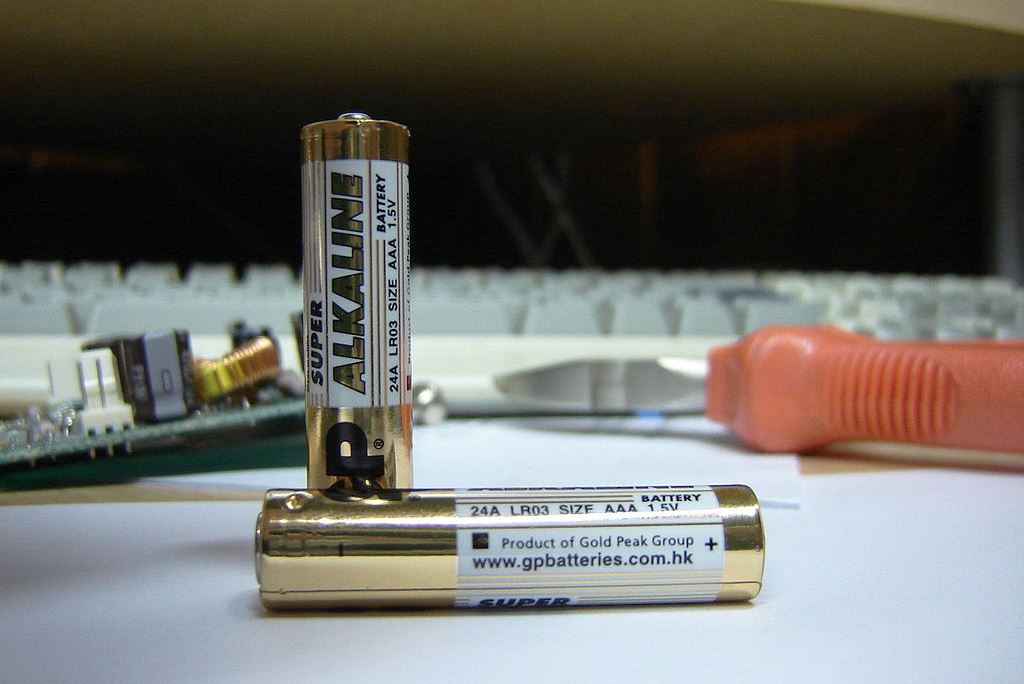
This leaves AAA and AA batteries as recommended standalone power sources when connected to other equipment. Where more power is necessary, this may be obtained from sealed portable power packs not exceeding 12 volts / 3 amps.
These power packs must have short circuit protection. Furthermore, only a competent person on the school register should check, test or replace their internal batteries. Hence, our basic battery safety tips for primary school science labs and classrooms favor AA and AAA cells in regular use in toys and flashlights.
Please Purchase All Batteries Carefully
Please avoid underpriced AA and AAA battery cells from unfamiliar brands. These can begin to swell and leak within a few months, and small children may not realize the chemicals are caustic. Always check sell-by dates and battery condition carefully.
Related
Which AA Battery Brand Is Best?
Cool Dry Cell Facts for Smart Kids
Preview Image: Science Lab