First Nations group in Alberta is taking green energy to an entire new level. In fact, they’re modeling sustainability first hand.
Alberta’s Indigenous Communities:
In October 2016, the Alberta government announced that they would invest $2.5 million in funding for the Alberta Indigenous Solar Panel Program. Over the last year, they have invested in up to $200,000 each for 18 different projects.
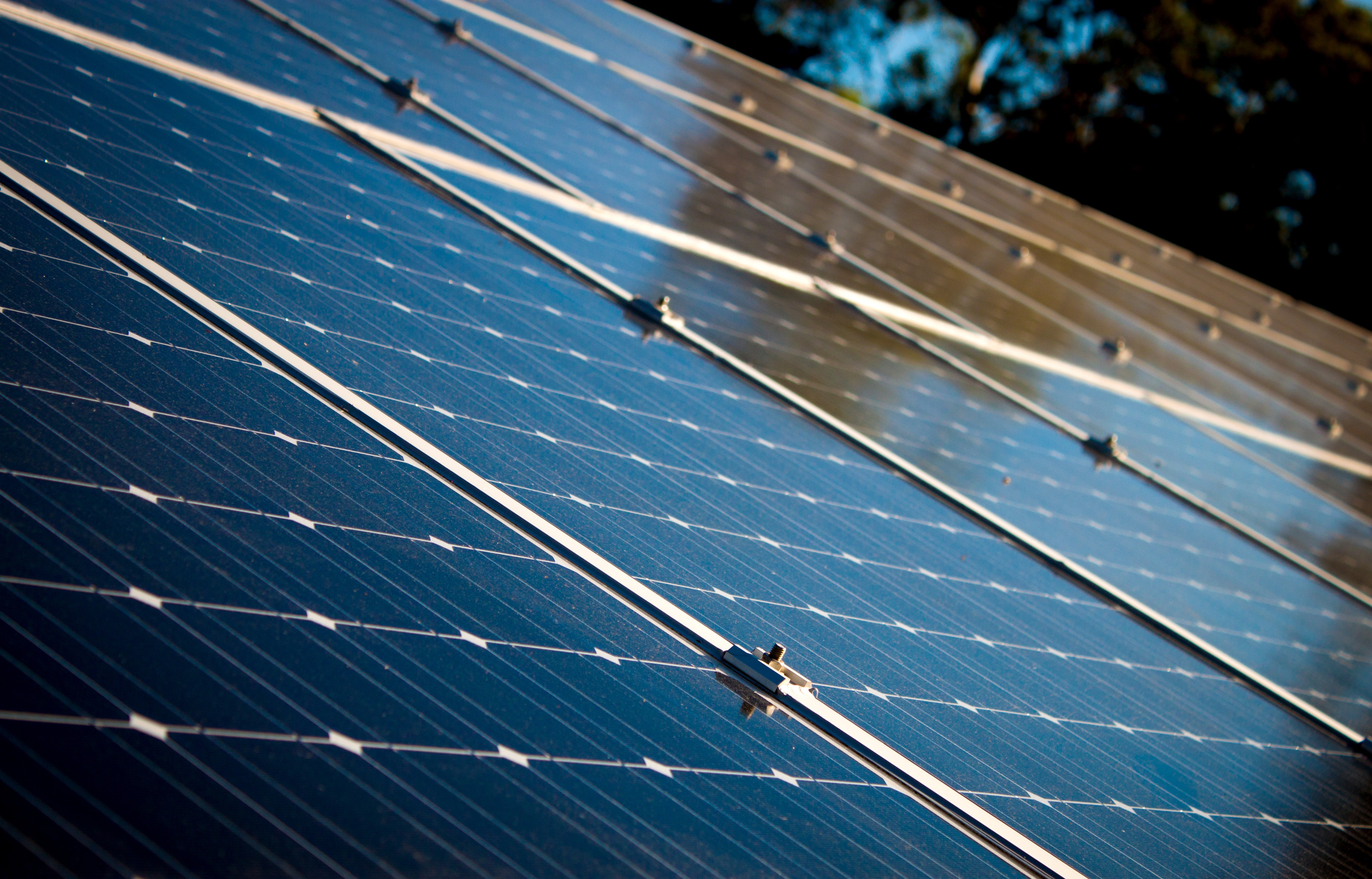
Louis Bull, which is one of the four nations known as Maskwacis, received $200,000 in funding from the province. They used this to install 750 panels on public buildings.
Trends in Green Developments Within First Nations Communities:
Alberta is just a reflection of the increasing number of Indigenous communities that are becoming partners in renewable energy projects.
A national survey by Lumos Energy reveals that around one fifth of Canada’s power is produced by facilities that are almost entirely owned and operated by Indigenous communities. In fact, commitments toward renewable energy projects like hydro, wind, and solar power have increased over the last decade.
Renewable Energy Projects Lead to Job Creation:
Clean power is creating 15,300 direct jobs for Indigenous workers who have earned $842 million in employment income over the last eight years.
Currently, there are over 152 medium to large-scale renewable energy projects with Indigenous involvement. This is large jump from 20 projects in 2008.
Each medium to large project creates electricity for 400 to 500 homes. And it’s not only larger projects that help communities. Another 1,200 smaller initiatives that are by Indigenous communities generate electricity for local neighbourhoods.
Trends in Green Projects:
- 63 per cent Hydroelectric
- 24 per cent Wind Power
- 13 per cent mix of solar and biomass
Roadblocks to Projects:
Clean energy projects are still not easily available to small Indigenous communities who lack training, or the know-how to begin projects. There is a large discrepancy in where eco projects evolve: 86 per cent of all the Indigenous hydro, wind and solar projects are built in B.C., Ontario, and Quebec.
Shift Toward Reconciliation:
Using natural renewable resources on Indigenous territories and making those communities a commercial partner in these projects is a huge step toward bridging gaps.
First Nations have not been part of economic initiatives for a long time, fuelling the cycle of systemic underemployment in these communities. It is a good thing that there is a finally some positive change for them.