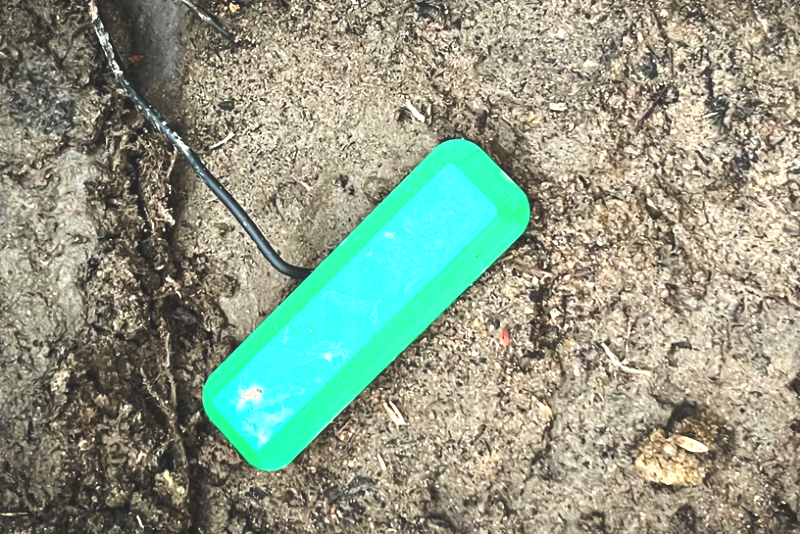
Imagine a fuel cell that runs on dirt, or growing batteries from the soil. Scientists at Northwestern University in Illinois, United States developed a fuel cell capable of generating electricity, from microbes living naturally in the soil.
Their fuel cell is about the size of an average paperback book. Their method involves capturing the energy that microbes release, as they decompose organic material in the dirt. But of what use to humanity is that?
A Dirt Fuel Cell Could Do a Power of Good
The Northwestern team developed their fuel cell for use out in the field. It is capable of monitoring the environment in agricultural and conservation settings, and signaling the data to remote points.
A fuel cell running on dirt like this, could substitute for conventional batteries containing toxic materials that pollute the soil. This could in turn help reduce pressure on global supply chains, and point a way forward to reducing carbon.
The researchers proved the effectiveness of their fuel cell that runs on dirt as follows:
- They used the dirt fuel cell to power electronic devices.
- These devices measured soil moisture and detected touch.
- Touch indicated wildlife passing through the trial area.
- The data transmitted wirelessly, using radio signals.
- This ensured the system used as little energy as possible.
The Trial Fuel Cell Proved Highly Successful
The fuel cell that runs on dirt proved highly successful across a wide range of conditions. It performed well in dry and flooded soil, and delivered more power than other known alternatives.
This work matters because it demonstrates an alternative way to power some of the billions of devices flooding our lives. We need alternatives like this for powering low energy applications, but without polluting our planet.
More Information
A Living Fungus For a Biodegradable Battery
Bacterial Batteries Harvest Energy From Soil