

The Argonne National Laboratory is a national science and engineering research center. Although the University of Chicago operates it on behalf of the U.S. Department of Energy. The Manhattan Project established it in 1946. However, after its nuclear energy role ended, it focused on energy storage, renewable energy, environmental sustainability, supercomputing, and national security. Now, a new Argonne policy has extended this role to include lead acid batteries.
Lead Power Grid Storage Features in New Argonne Policy
Representatives of the Advanced Lead Acid Battery Consortium will be supporting the implementation of the new Argonne policy. This is an international research and development consortium dedicated to enhancing the capabilities of the lead acid battery.
The goal is therefore to ensure lead acid technology’s competitiveness in various energy storage markets. These include telecommunications, remote area power supply, start/stop automotive systems, and hybrid electric applications. They hope to understand the interactions better inside a ‘black box’ science still does not understand fully after 159 years.
Did You Ever Fancy Building a Lead Acid Battery
Argonne Policy a ‘Beautiful Example’ of Private-Public Cooperation
“This is therefore a beautiful example of how synergy between industry and science can drive innovation.” an Argonne spokesperson says. Because leading companies in the industry will now have the opportunity to do precompetitive R&D using the most advanced tools.
Moreover, they hope Argonne’s techniques and capabilities will unlock greater lead acid battery longevity. Thus, the team will examine lead plate sulfating at nano-scale level. It hopes thereby to meet the growing demand for reliable, safe and effective rechargeable battery energy storage.
This new Argonne policy is a significant departure from focusing on lithium-ion and beyond-lithium-ion batteries. “We are particularly interested in the lead sulfate crystal growth and dissolution process.” Because we want to learn how to control the latter in a more effective manner,” Argonne told website I.Connect.
Related
Heart of US Battery Research at Argonne
Battery Fade Reveals its Secrets at Argonne
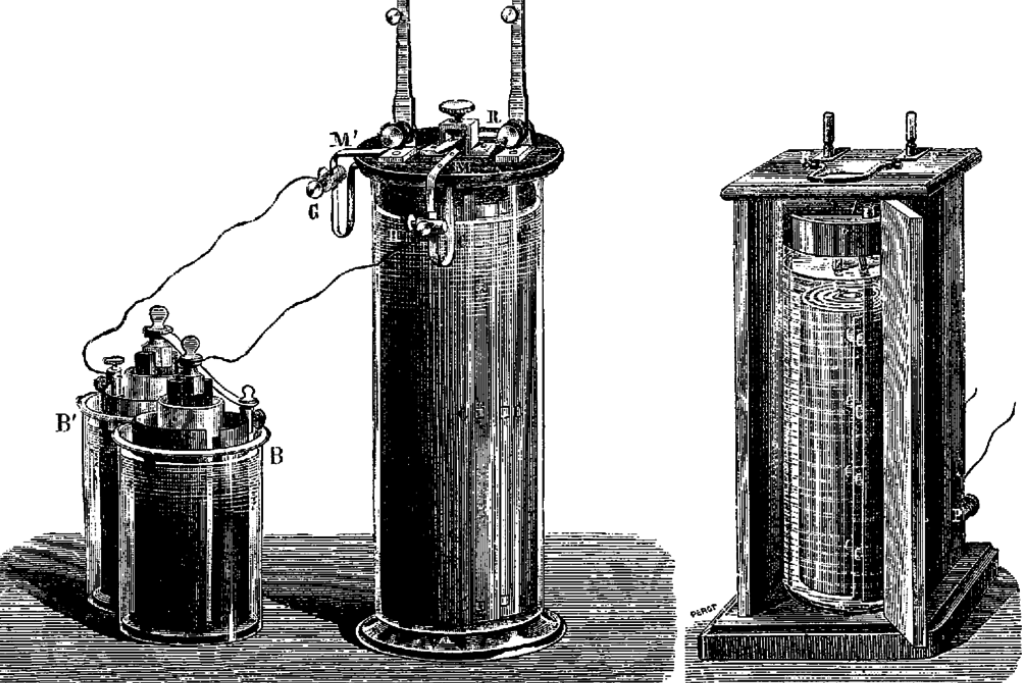
Preview Image: Gaston Planté Lead Acid Battery Experiment
Video Share Link: https://youtu.be/rhIRD5YVNbs


