There are few lead acid battery manufacturer secrets in reality. In fact, the principles still follow Gaston Plantés original invention. We have no idea how he dreamed up the idea of making a ‘swiss roll’ from two sheets of lead separated by a cloth.
The Genius of Science in Action
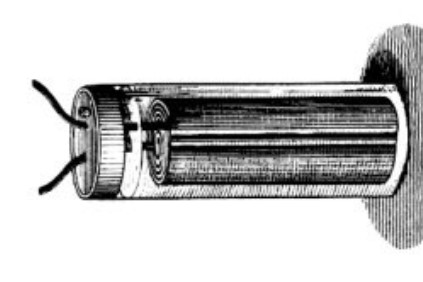
Nor do we know why he soaked the cloth in a sulfuric acid solution first. Whatever the reason, he made the world’s first lead-acid battery. We have the genius of science to thank for lead-acid batteries and the UPS Battery Center.
We created this blog to publish lead acid battery manufacturer ‘secrets’, and knowledge about the world of batteries in general. As you consider the information that follows, please remember it is never a good idea to take a battery apart.
Battery Manufacturer Secrets Involved in Assembly
- Factories begin by manufacturing lead battery plates, or grids
- Then they fill the spaces with lead / acid paste and bake them
- They fit the plates inside the cases in negative / positive sets
- After that, they insert non-conductive separators between sets
- Finally, they link them and fit the positive and negative posts
Lead acid battery manufacturers add diluted sulfuric acid solution, after fitting the battery case cover and sealing it tightly. Then it is time to charge the batteries and get them ready for the market. They first perform a short duration, high-rate discharge test to check everything is okay. After topping the battery up again, it goes for final assembly and dispatch
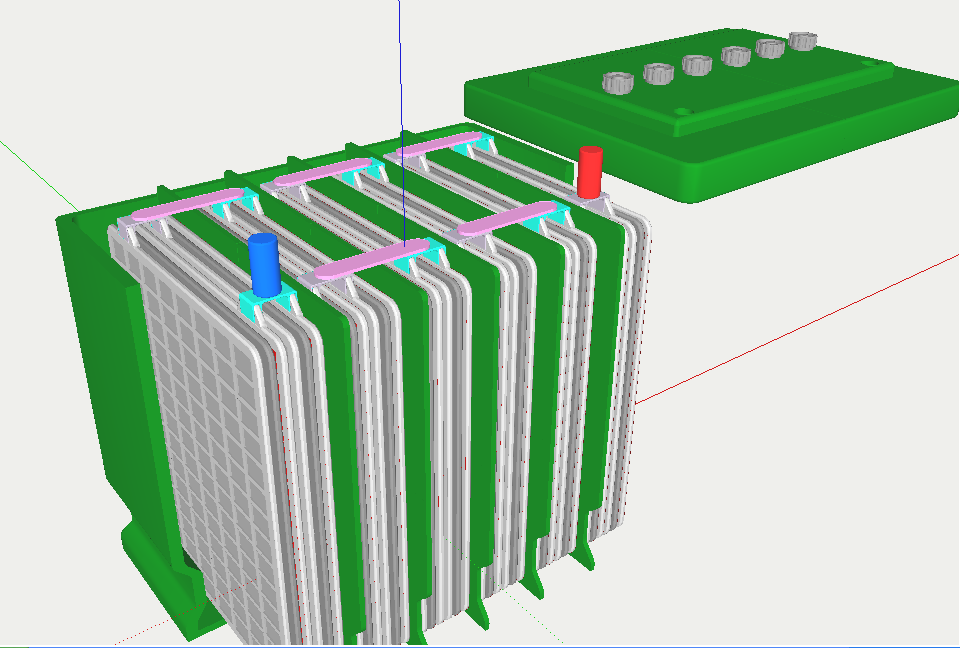
There are few lead acid battery manufacturer secrets in the industry today. The only real discriminator is the composition of the paste that fills the grids.
The final manufacturing step involves labeling the batteries, and insulating the battery posts in order to prevent accidental discharge while shipping.
Related
Gaston Planté’s Lead-Acid Cell Battery
How Sealed Lead-Acid Batteries Work
Preview Image: Gaston Planté’s Inquiring Eyes