Chile’s Atacama Desert:
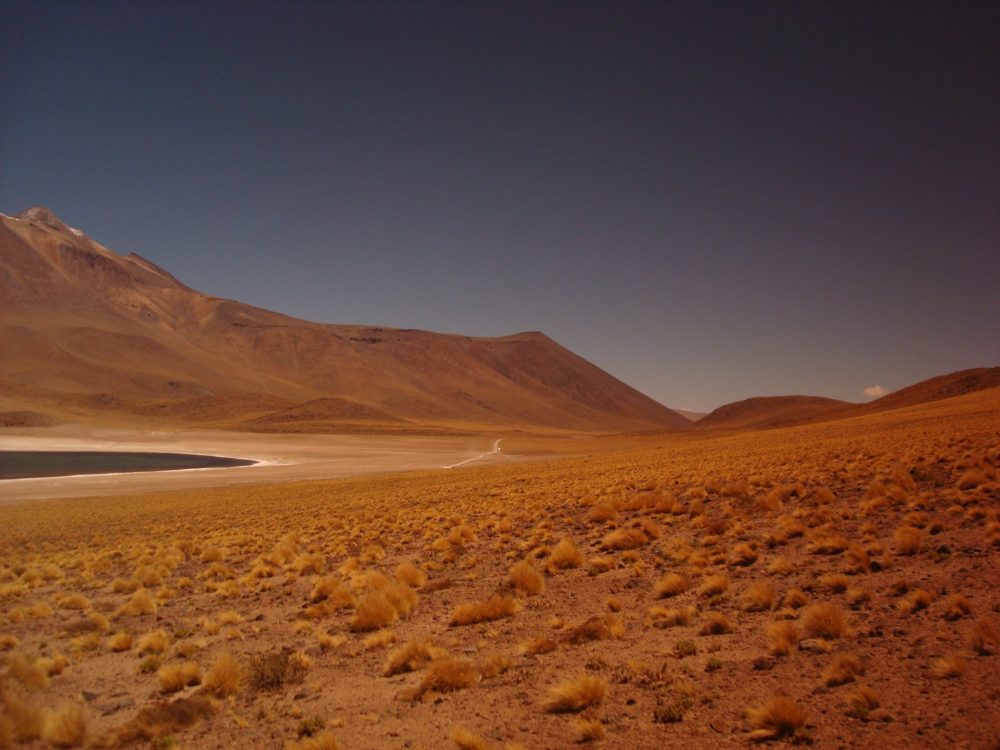
Two of the world’s largest lithium producers are Albermarle Corporation and SQM (Sociedad Quimica y Minera de Chile) — both of which are tangled in the water rights of Chile’s Atacama desert.
Both Albemarle and SQM have big operations in the Atacama Desert, which is home to some of the world’s best lithium resources. They have accused each other of overdrawing from the Atacama’s underground aquifers. Their operations are only three miles apart from one another.
Brine water that accumulates for millennia under the Atacama is lithium-rich, and companies pump it out and send the brine to evaporation ponds where the heat extracts the water and leaves the alkali metal behind.
Both companies have claimed that they have enough brine to produce lithium for decades, but Reuters has found documents by the Chilean government that indicate doubts about the resource’s longevity.
External Rivalries:
Rivalry doesn’t seem to stop between Albermarle and SQM exclusively. In fact, it appears that ownership of the companies are also a source of dispute.
The Canadian mining company Nutrien owns a 24 per cent stake in SQM, which it wants to sell to Chinese firm, Tianqi Lithium Corp. But Tianqi partners with Albermarle to operate a huge lithium mine in Australia. Many SQM shareholders are worries that Tianqi may share industry secrets with Albemarle.
The Chilean government wants to boost their lithium production and potentially manufacture batteries in the country. This would break the supply model where Latin American countries provide materials for products that are produced somewhere else.
The government signed over lithium concessions to Chilean mining company SQM, which will see the extraction of lithium triple by 2030.
Government Agendas and Clashing Public Interests:
Environmentalists and mining unions are outraged by the government’s decision. SQM has been investigated for money laundering, tax evasion, and illegal campaign financing. Politicians have often received large sums in exchange for incorporating industrial demands into the legislative proposals and voting accordingly in parliament.
Chile is the only country in the world where water resources and water management is completely privatized. Environmentalists accuse SQM of exploiting the region to cash on lithium production. The mining process is said to contaminate drinking water.
The fact that there are no regulations prove to be extremely troublesome and have fostered a culture of exploitations of indigenous communities who are forced to mine within inhumane circumstances. The government promises to develop a high tech industry around lithium with benefits for the local economy, but for now, citizens are only disruptors in the state’s quest to capitalize off privatized management.
Related:
Democratic Republic of Congo Labels Coltan a “Strategic” Resource