

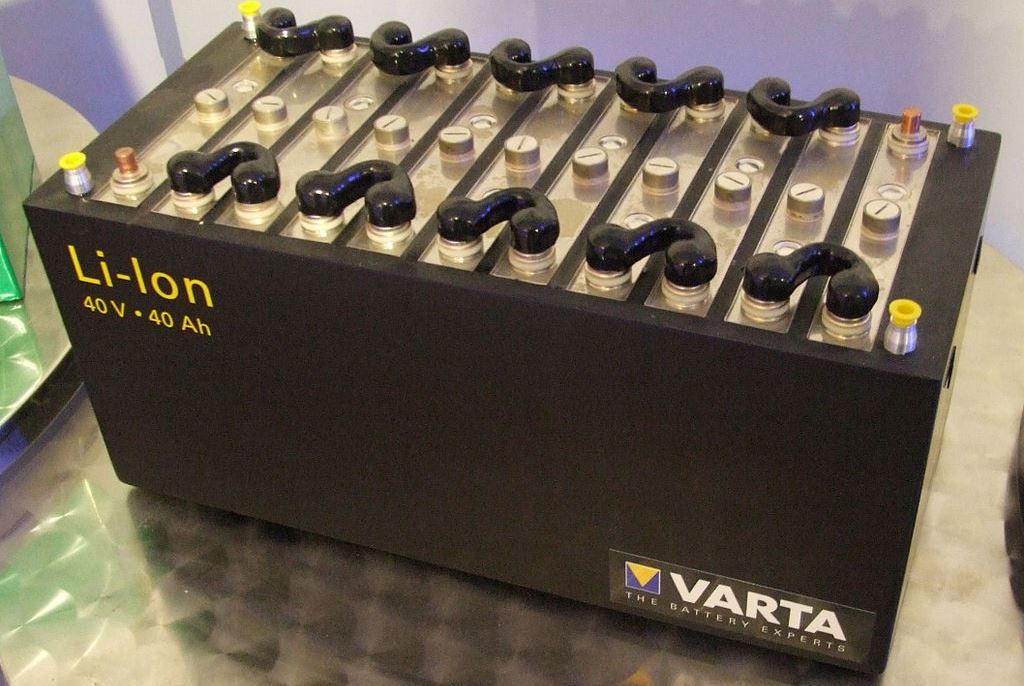
Lithium-ion batteries are one of the most significant devices of our times. Although we do sometimes berate the industry for not making them safer sooner. As we knock on the door of 2019 and wonder what lies ahead, we decide to look back in time. Who invented lithium-ion batteries? Let’s learn more about lithium-ion battery history today.
The Pioneers of Lithium-Ion Battery History
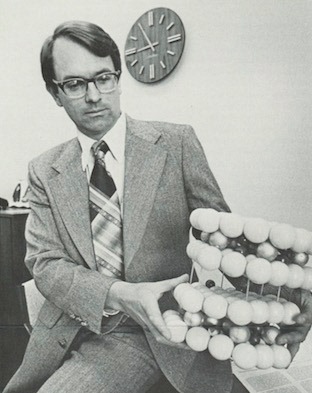
In science, one person often has an inspiration that other scientists follow up. M Stanley Whittingham proposed the idea of lithium batteries in the 1970’s. Much later, in 2018 the National Academy of Engineering elected him for applying intercalation chemistry to energy storage.
However, Whittingham’s choice of titanium disulfide and lithium metal as electrodes let his employer Exxon down. This was because titanium disulphide has unpleasant side-effects when it reacts.
Then three years later Adam Heller proposed the lithium thionyl chloride battery still used in implanted medical devices. Four years after that, Samar Basu demonstrated electrochemical intercalation of lithium in graphite.
How 1979 & 1980 Saw the Birth of Rechargeable Lithium Batteries
Lithium-ion battery history threads drew together when Ned Godshall, and John Goodenough / Koichi Mizushima independently produced workable solutions. These were rechargable 4-volt lithium cells with lithium cobalt oxide as positive electrode and lithium metal as negative.

The lithium-ion batteries in our smartphones, laptops and other devices still follow these principles. They typically use an intercalated lithium compound as one electrode material. Although the debate rages on as to what’s best for the other.
The ‘achilles heel’ of lithium-ion batteries remains their flammable electrolyte that keeps the two electrodes apart. If these contact, perhaps because of battery damage, the heat from the short-circuit ignites the electrolyte. Research into this danger is ongoing. The main thrusts are a solid electrolyte, and a water-based one that cannot catch alight.
Related
How Lithium-Ion Batteries Really Work
John Goodenough’s Solid State Battery Breakthrough
Preview Image: Varta Lithium-Ion Accumulator


