Salt water batteries use a concentrated saline solution as their electrolyte. This therefore makes them nontoxic, non-flammable, safer, and easier to recycle their constituent materials. They have not really taken off with consumers until now though. However the Saint Jean Carbon company that owns ‘key natural graphite resources’ seems set to change that.
New Plans for Commercial Salt Water Batteries
Saint Jean Carbon made the announcement on January 23, 2019. It was pleased to announce it was “applying years of technology know-how to a new form of battery technology.” The company hopes to see the first prototype graphene gel salt water batteries by the spring of 2020.
“Batteries based on this technology should charge faster, run longer and theoretically may last indefinitely,” it says. “The project’s goal is to have a series of three full production batteries ready for launch in spring 2020.” Well that certainly leads with a right hook to the chin of traditional commercial battery practice. However, we first need to see if its salt water batteries actually work.
Salt Water Batteries: An Overview
Saint Jean Carbon “Has Been Researching This for Five Years”
Initial progress was slow on account of capacity limits comparing to lithium batteries. Then there was a dramatic uptick “with the use of graphene in a highly concentrated salt water gel.”
“Graphene can now be used without worry of the graphene restacking, which would reduce the intercalation rate,” the press release confirms. Saint Jean Carbon is currently rolling out a “flex” production line which a number of partners can share for a fee. It would like to see three specific battery types develop. These will be small salt water batteries for portable devices, and larger ones for stationary storage. Finally, there will also be high energy density ones for automotive and motorcycle applications.
Saint Jean Carbon is a public carbon-science company, with specific interests in energy storage and green energy creation. It holds claims to significant graphite and carbon deposits in Quebec. It is hence cleverly creating new markets for its primary product.
Related
Solar Power Plant with a Giant Salt Battery in Andalusia
Origins of Graphite in Batteries
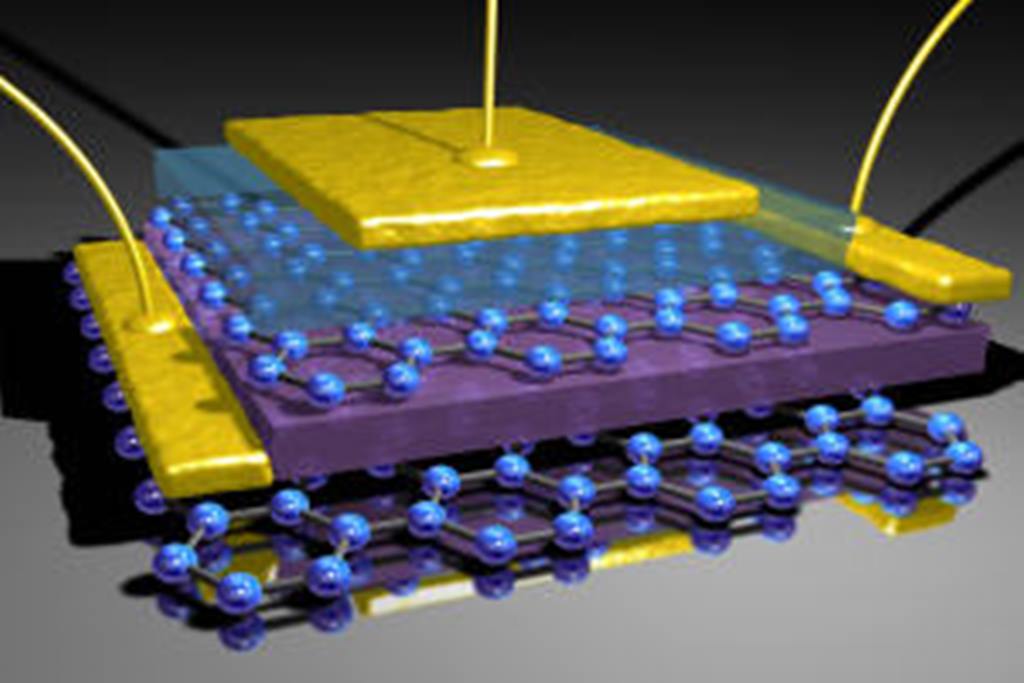
Preview Image: Graphene Transistor Research by Saint Jean Carbon
Video Share Link: https://youtu.be/iL2O4AgsMNY