Matthew Hall, BBC journalist wrote a thought piece about green transport we wanted to share. This is because it answers compelling questions. Questions like “how will driverless cars, more ride-sharing and more integrated transport systems alter our journeys?” Stay with us. Read more about Matthew’s disruptors on the move, as he calls them.
Will Disruptors on the Move Spell the End of the Private Auto?

The success of private autos has become their downfall. They congest our cities, while their emissions threaten our health. “Everyone getting in a two-ton vehicle to go and get a pint of milk is not sustainable anymore,” Matthew says.
Instead, he thinks urban transport needs to be “more autonomous, more electric, more connected and more shared.” That’s also car maker Renault’s opinion, although it reminds us walking and cycling also have their place. Matthew thinks the next two disruptors on the move will be forms of ownership, and the inner city / suburban interface.
We know the Destination, But the Way Is Not Clear
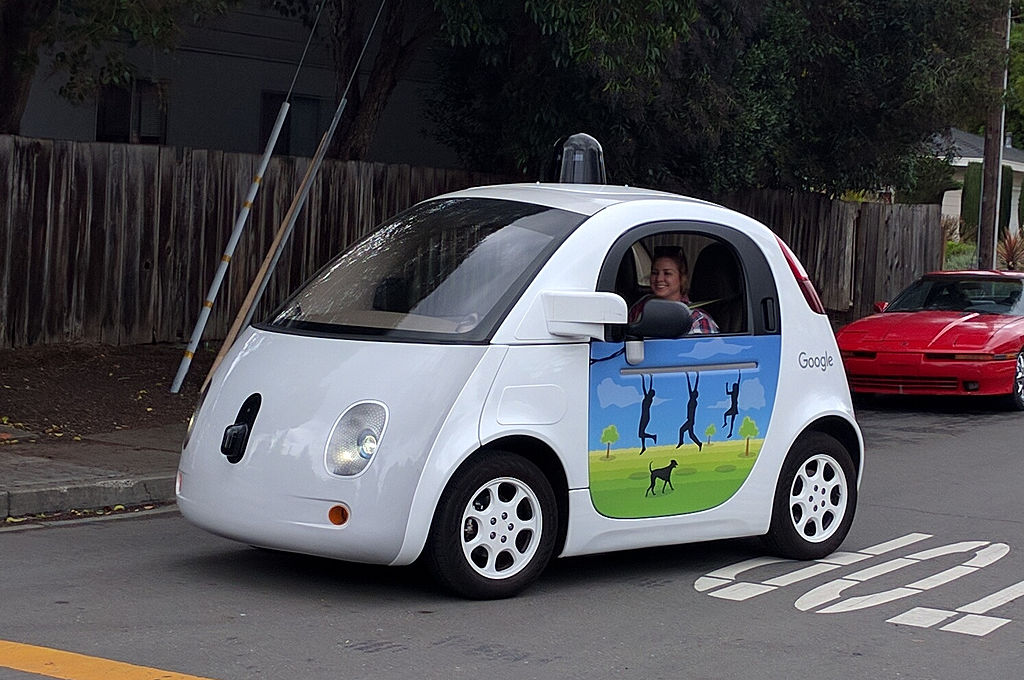
The first and the last mile of the journey are the greatest impediment to mass transport. Matthew Hall would like to see small, driverless buses cruising suburbs to ferry passengers to transport hubs.
A concierge would take the place of the driver, answering questions but with a remote controller if anything went wrong. Finally, we have to join all the transport sectors up. Matthew spoke to the CEO of Daimler’s Moovel app. This tells users the options for getting to their destinations effectively, faster.
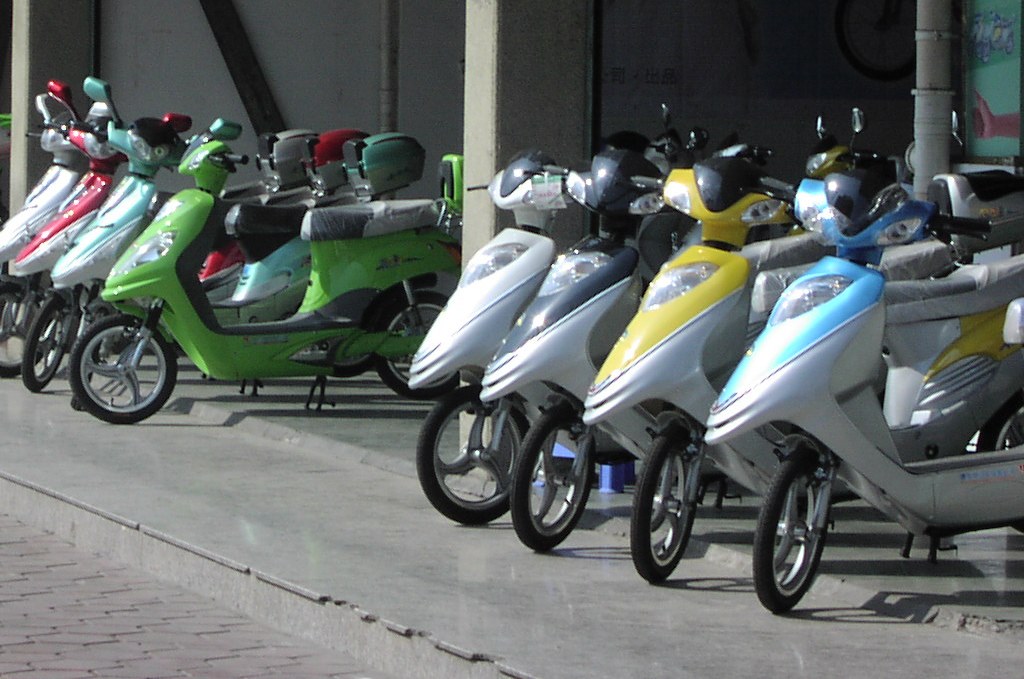
The app is not the only one making money selling tickets. However, other city dwellers prefer the hop-on battery scooters that are proving significant disruptors on the move. Is this ‘curtains for autos’? Vehicle giant carmaker Ford evidently thinks so. It is downsizing its US models to two only. Both will have hybrid electric engines.
Related
When Will Cars Transform into Computers
Magic of Batteries Comes to Belle-Île-en-Mer
Preview Image: Google Driverless Car