The Marshall Islands are in the Pacific Ocean approximately half way between Hawaii and Papua, New Guinea. The 30 atolls and 1152 islands would be the size of Washington, DC if we pushed them all together. Their highest point is 32 feet above sea level, although much is lower than that. Many fear climate change could overwhelm them, although Marshall Islands fights bravely on.
Nation’s Capital Floods as Marshall Islands Fights the Elements
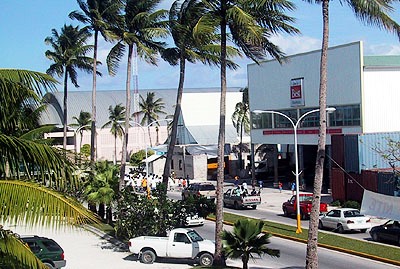
Majuro is the nation’s capital and largest city, homing over 27,000 people on 3.7 square miles. On November 27, 2019 Channel News Asia reported powerful swells averaging 16 feet had flooded across some low-lying land.
Marshall Islands fights on regardless, President Hilda Heine told reporters. “Water covers much of our land,” she told the COP25 Conference of the Parties in Spain. “It’s a fight to the death for anyone not prepared to flee. As a nation we refuse to flee. But we also refuse to die,” according to a report by Science and Environment BBC. Many other small island nations face similar threats.
“Lack of Action by Developed Nations Disappoints Us”
We are frustrated by inadequate action, and dithering by polluters who are most to blame, she lashed out. “In the midst of a climate change emergency, retreat and inaction are tantamount to sanctioning ecocide.”
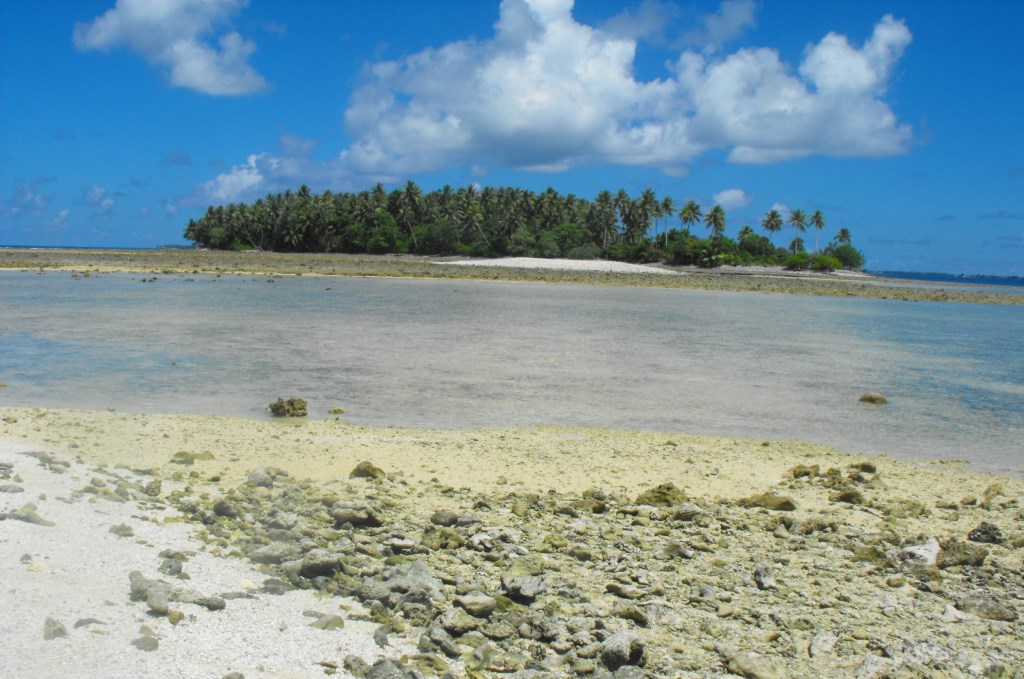
This not the first time the Marshall Islands fights for climate change survival. Extreme waves flooded Majuro and other cities three feet above sea level in 2008. In 2013, extreme drought left 6,000 people in the northern atolls with less than quarter gallon water a day.
The terrain they cling to is low coral limestone reefs, and sandy islands. For how much longer must this peaceful, tiny island nation suffer? While large, developed nations delay collaborating for the common good.
Related
Visible Tipping Points of Climate Change
Preview Image Majuro and Arno Atolls