


IBM has been off the radar on the subject since they announced they were developing a new lithium metal battery five years ago. Green Car Congress let the cat out the bag regarding progress on December 18, 2019. However the news was better than we expected. That’s because this new heavy-metal-free IBM battery has distinct advantages
Fewer Sourcing Concerns with Heavy-Metal-Free IBM Battery
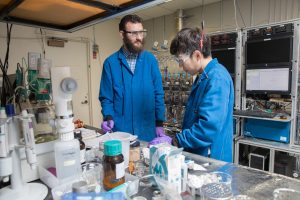
Green Car Congress says there are fewer sourcing concerns, and no heavy metals in the new battery. Moreover, IBM can extract the materials it uses from sea water. Anything involving less-invasive extraction sounds like a good start.
We understand the new heavy-metal-free IBM battery has greater density and higher power than current lithium-ion designs. It is also less-flammable, charges faster, and costs less too. This is thanks to a new combination of cobalt- and nickel-free cathode and electrolyte with high flashpoint. The design apparently suppresses dendrites formation during charging, and hence overheating and catching fire as well.
Next Steps Forward In an Evidently Distinct Improvement
The IBM prototype has over 90% energy efficiency, meaning little power is wasted during the charging-discharging cycle. From what we have heard, the company is teaming with a number of specialists to carry its heavy-metal-free IBM battery design forward.
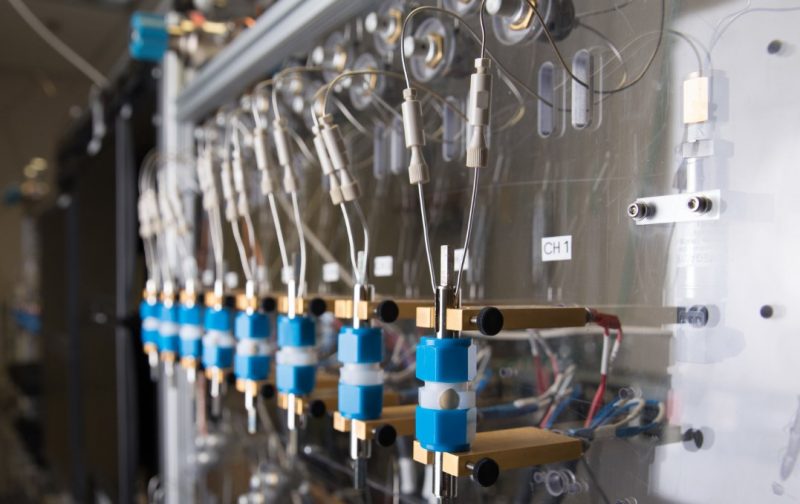
The members of this project team provide useful clues as to what might lie ahead. That’s because they include Mercedes-Benz R&D, Central Glass electrolyte specialists, and Sidus battery makers. Dr. Young-Hye Na, manager, materials innovations for Next-Gen Batteries at IBM Research explains how they went about their work.
We worked on a molecular and atomic level, he says. These methods enabled us to study the forces and movements between materials at incredibly precise levels. When we combined our deep understanding of chemical mechanisms our solution came together.
Related
Self-Healing Batteries at Penn Engineering
Lithium-Rich Layered Sulfides – Signs of Hope
Preview Image: IBM Battery Free of Heavy Metals


