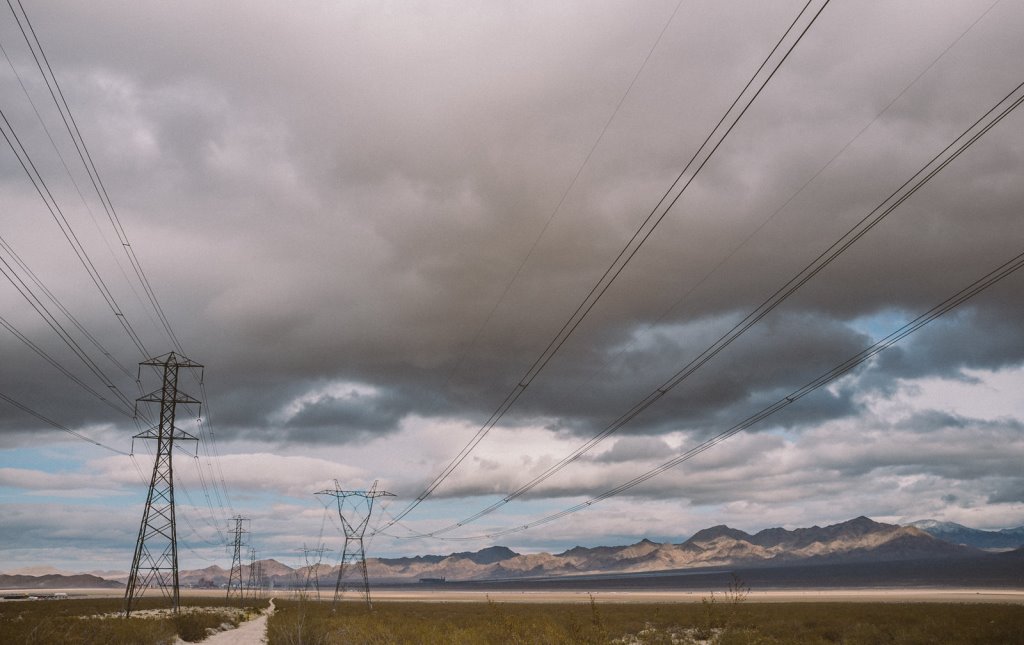
Electric power plants produce electricity they pour into grids to provide our society’s energy needs. They come in various forms. Until recently they were either ‘heat factories’ boiling water to generate steam, or hydro stations feeding water through turbines using gravity. Nowadays we have new forms of renewable energy, and battery storage power plants to make these feasible.
Electricity Generation and Need for Continuous Power

Large conventional power plants take hours, even days to fire up. Hence, they have to run continuously yet only release the actual electricity the grid requires. We only begin to question this wasteful practice when global warming hits the headlines.
Natural gas power plants are an improvement, because they start up quickly and cause less pollution than solid fossil fuels. However, they come nowhere close to matching the environmental excellence of solar and wind. But wind and solar energy also have their limitations, because renewable energy relies on capricious nature to supply the energy. This means we cannot rely on them for continuous power on their own.
Battery Storage Power Plants Revolutionize Power Generation
Battery storage power plants store energy in large sets of chemical cells. However as we write, their potential is still an order of magnitude a third less than hydro power. None the less they are making rapid inroads into the energy market.

They are therefore in increasing demand for short term peak power harvested from solar collectors, and wind power turbines. These battery sets also provide sterling service as frequency-response reserves preventing grid trips leading to power outages. A variety of battery chemistries service this growing market.
However, their relative order of magnitude needs to increase for them to achieve their rightful role. Or else our willingness to pay more for our electricity to combat climate change must mature.
Related
Third of Earth’s Electricity Will be Renewable by 2024
Why Do We Call Renewable Energy Green
Preview Image: Solar Power Streaming in California