

SARS-CoV-19 is the particular coronavirus strain that’s causing the Covid-19 epidemic. We already know it enters its subjects via their eyes and mouths and noses. Now, researchers at Massachusetts Institute of Technology (MIT) have identified likely cell targets for SARS-CoV-19. This was after they honed in on cells expressing two particular proteins. Therefore their groundbreaking research could prove significant.
Clues Pointing to Likely Cell Targets for SARS-CoV-19
Scientists noticed a ‘spike’ protein binding to receptors on certain human cells shortly after the outbreak. These natural angiotensin-converting enzyme 2 receptor cells attach themselves to the outer surfaces of human arteries, hearts, intestines, kidneys, and lungs. This is where the search for promising results begins.
The enzyme 2 cells had been under consideration for cardiovascular treatments for several years. Hence scientists already knew quite a bit about them when they identified them as likely cell targets for SARS-CoV-19. However, the MIT researchers only recently discovered the role of a second human protein, enzyme TMPRSS2.
How Enzyme TMPRSS2 Activates a SARS-CoV-19 Infection
Research reported on Wikipedia claims the SARS coronavirus of 2003 – and the novel coronavirus of 2019/20 both require the presence of enzyme TMPRSS2 to activate. Therefore, understanding how this process works could guide our thinking on how to prevent it happening.
The combined binding of enzyme 2, and activation of enzyme TMPRSS2 will continue to open the door to SARS-CoV-19 until we find medical countermeasures. Consequently, the MIT researchers hope their findings will help scientists find solutions for preventing these infections.
We want to get this information out to the community urgently, they say. That’s because we hope knowing the likely cell targets for SARS-CoV-19 will accelerate their work. The MIT researchers derived their discovery from existing data concerning the ribonucleic acid present in all living cells. This information informed their search for the two human proteins that enable the SARS-CoV-2 virus to enter our bodies.
Recent Posts
Why Some of Us Do Not Wash Our Hands
We Are on a Sort of a Plateau in Sweden
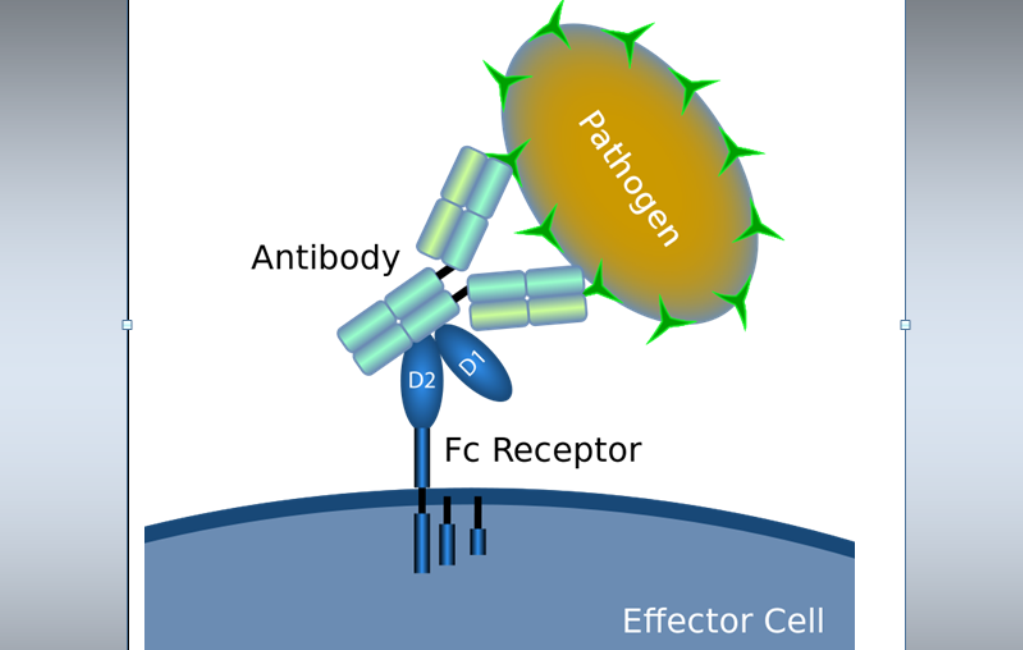
Preview Image: Example of Immune Receptor


