We described the decay of antibodies after mild bouts of COVID-19 on July 21, 2020. But this left the question hanging ‘what happens if I fall seriously ill”. Does immunity depend on gravity of illness, and in direct proportion? Or heaven forbid, does it decay even faster after a period in intensive care?
Gravity of Illness Does Have a Bearing on COVID-19 Immunity
Studies from United States, United Kingdom, and China confirm people with milder symptoms have weaker immune responses. Moreover, the majority recovered at home and so ‘their antibody levels weren’t extremely high’. However, elsewhere a researcher confirms seeing antibody layers ‘of the order of 10 to 100 times higher than these.’ But, does this mean enhanced immunity depends on the gravity of the illness?
An unpublished report by scientists from Icahn School of Medicine at Mount Sinai, Israel adds another piece to the puzzle. In a nutshell, that team says antibody levels are stable ‘for at least the near-term future’. We append a link to their report at the end of this post in case you would like to explore their finding further.
Do Memories of Past Infections Stir a New Response?
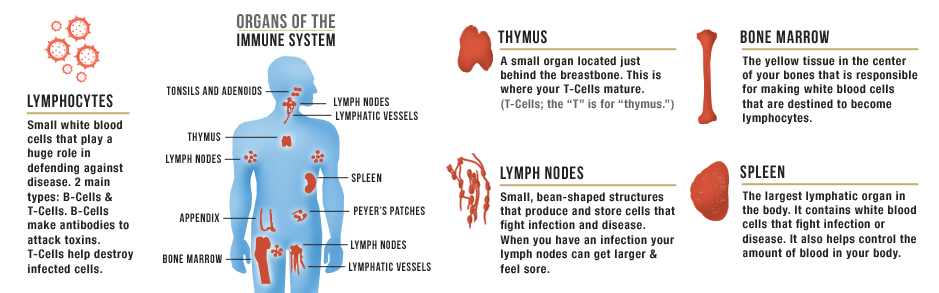
Another team member Florian Kramer told NPR she considers an immune period of one to three years ‘a reasonable assumption’. And after that, she believes a shadow remains in memory B cells. However, these remain dormant until a new infection stirs them to ‘react very, very quickly and make antibodies quickly’.
However, principle investigator for Oxford Vaccine Adrian Hill expects vaccine immunity will last even longer because of greater dose strength. He points out immunities for milder coronaviruses like colds are short-lived.
‘So, the duration of an antibody response may depend in part on whether an infection led to a significant illness. And a significant immune reaction followed’, Adrian Hill surmises.
Related
Antibodies Decay Quickly In Small Study
Oxford Vaccine Makes Antibodies and T-Cells
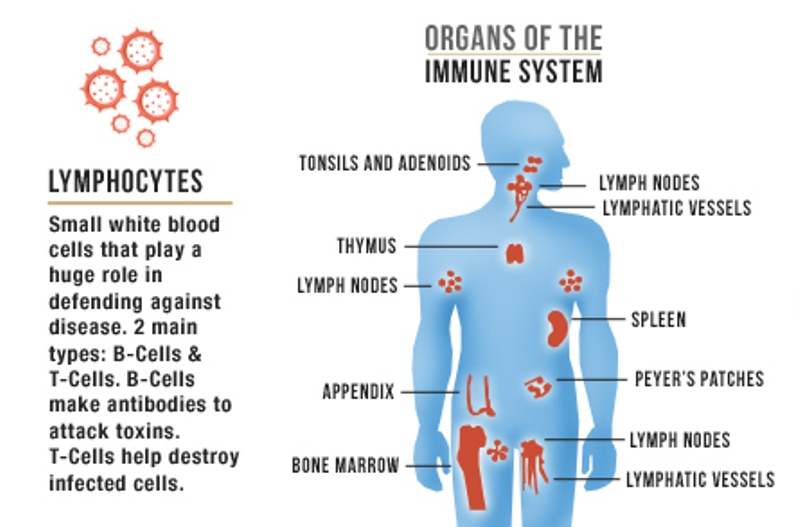
Preview Image: Organs of the Immune System