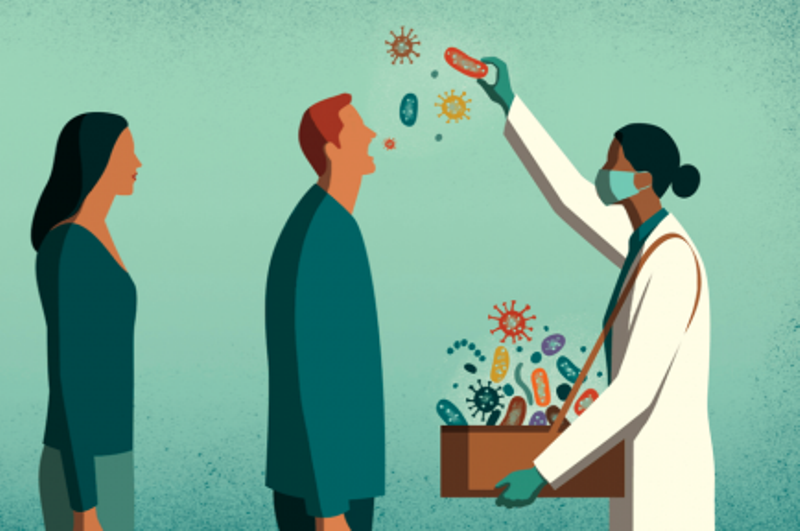
The sheer volume of Covid-19 research is overwhelming. World Health Organization lists AstraZeneca, Pfizer, Moderna, Novovax, and Janssen vaccines as approved for use. Meanwhile, there are another 21 in Phase 3 testing, plus 25 undergoing expanded safety trials. Not to mention 19 in small scale safety trials, and 171 in pre-clinical tests. Could the next step for COVID vaccines be human challenge trials?
How Do I Know Which Vaccines Will Work on Me?
Human DNA could be more variable than the number of stars in our galaxy. We also live in a mind-blowing variety of different circumstances, and our responses to them vary as we age. We could wait, if we wished and allow the pandemic to play out. And then ask our scientists to figure out which vaccines worked best.
Meanwhile millions might unnecessarily die. In August 2020, the UK government pondered over the possibility of further testing in the hope of a more definitive answer. But if the next step were to be human vaccine challenge trials, how would this work? And how ethical would this be?
Assessing the Next Step for Vaccines: Human Challenge Trials
Anthony Fauci, Director of U.S. National Institute of Allergy and Infectious Diseases, says vaccine challenge trials exposing subjects to the virus are not justifiable ethically. He was speaking at an international symposium according to Economic Times Health World on July 31, 2020.
His reasoning back then was ‘we have no highly effective therapies that are available to cure’. However, British Medical Journal supported the idea of human challenge trials being the next step for COVID vaccines six months later on January 8, 2021.
It envisages young, healthy participants ‘in a population in whom the chance of adverse outcomes or hospitalization from COVID-19 is small’. Moreover, they would ‘receive priority access to any necessary care’ after being exposed to live SARS-CoV-2 virus.
We believe the candidate selection process would require independent oversight, and agree the moral implications are huge.
Related
Moderna Vaccine May Work on New Strains
Brazil Variant Has Scientists Deeply Worried
Preview Image: Do No Harm to Whom