

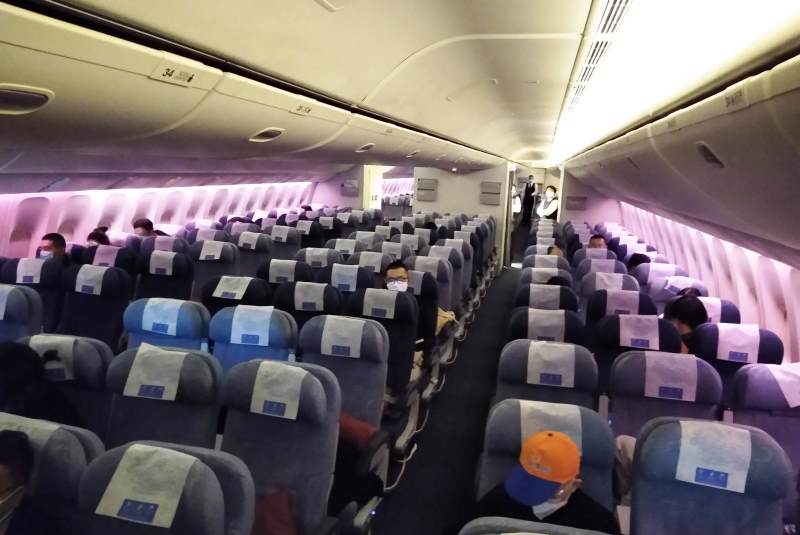
In the early days of COVID-19 we did not fully understand the necessity for maintaining social distance. And even if we did, it was nigh-impossible to achieve this on ocean liners and jet planes. Now data scientists at University of Aberdeen Scotland have proved international travel was partly behind first wave deaths.
The Study Method That Revealed the Evidence
The researchers at University of Aberdeen, Scotland say restricting international travel at an earlier date might have changed things for the better. In fact, it could have positively affected the way the pandemic spread in Europe, and the UK. They compared historic data from thirty-seven countries. But they also took account of other factors.
These other considerations included international arrivals, population density, and the percentage of people living in urban areas. But they also factored in age, average body mass index, and smoking prevalence to obtain an unbiased picture.
The result was conclusive per their report. A million international arrivals sampled associated with a 3.4% increase in Covid-19 deaths during the first wave of the pandemic. But we can’t cease traveling, can we?
If International Travel Was Behind First Wave Deaths, Then What?
The research report, which we append below, confirms a link between international travel and COVID-19 deaths. Indeed, this seems undeniable after they adjusted for those demographic factors. And found international travel was ‘the strongest predictor of mortality increase’. They hope their work will contribute to controlling future waves, new strains of coronavirus, and related deaths.
Social responsibility, and herd immunity have not matured to the point we can afford to lose control. Nor is there any sign of lower passenger density becoming economically viable. We are glad it’s not our job to rule on future travel policy, because to be honest there seems no easy way out of the dilemma.
Related
Travel Tips, If You Have to During COVID-19
The Folly of a Partisan Approach to Travel
Preview Image: Near Empty Flight


