Re-infections are repetitions of the same disease, as in having the same cold twice because we didn’t take proper care. However, COVID and its variants have a new spin on the term according to the Atlantic news portal. There’s a lively debate on the go about halting COVID re-infections, versus preventing new ones. And there is a thin dividing line between the two.
Re-infection, Weak Immunity or a New Strain
We could get a second COVID infection if the walls of our immune fortress weaken and crack. However, the virus might also alter its personality to the extent our original defenses can’t prevail. In this case we could better describe the incident as a new infection of another type.
The debate concerning halting COVID re-infections versus stopping new ones may be a long one. The coronavirus is throwing off variants in a process hastened by the escalating number of hosts. Meanwhile, researchers don’t fully agree how to categorize these. The Atlantic says they are still seeking the dividing line between fresh viruses, and cases where immune defenses have crumbled.
Separating COVID Re-infections From New Variant Ones
Infection is an interaction between a microbe and a host, according to Brianne Barker, an immunologist at Drew University. Once the microbe settles in, it can begin its main task, to multiply. If this is a reinfection, the symptoms may be milder because our immune system knows what to do. However, the potency of this immunity varies from person to person.
It can also happen that the immune system does not know what to do with the virus, because it has mutated. These cases are more a matter of the virus disguising itself, compared to the immune system weakening. This is the point where the effectiveness of a particular vaccine may falter.
The only way to prevent this happening is to slow the spread of infections from a gallop to a crawl, and starve the virus of new hosts. We may face the specter of a never-ending cycle of the disease if we cannot slow the pandemic. That’s at least according to the Atlantic, and we believe they may well be right.
Related
Coronavirus Strains, Variants and Mutations
Shining a Flashlight in the Dark for Variants
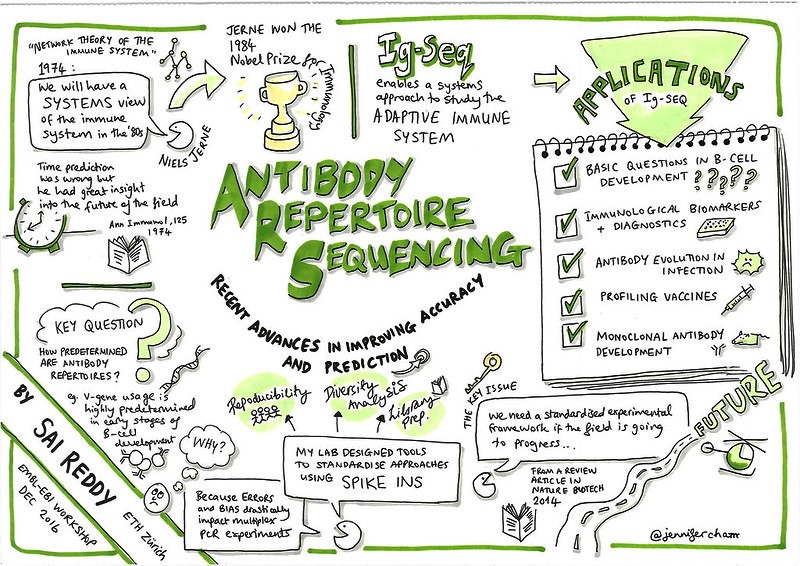
Preview Image: Antibody Repertoire Sequencing