High vaccine efficacy referred to triggering antibodies in blood samples during vaccine trials. Now we have the first round of vaccines through the gate, our attention turns to effectiveness. That’s how well these work in the real world, according to science correspondent for Guardian Nicola Davis. We particularly need to know how resistant Delta is to COVID vaccines, especially since it appeared after those trials were complete.
What’s in The Background with Effectiveness Data?
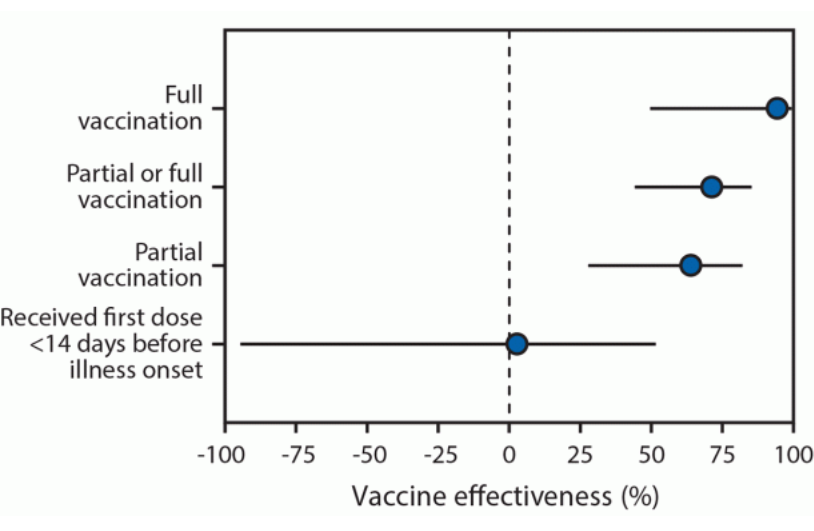
Effectiveness is a high level indicator of how well a vaccine prevents infection, symptomatic disease, hospital admission or death. So if a vaccine is 90% effective against the Delta variant that first appeared in India, then a vaccinated person has a 90% lower risk of having the illness than an un-vaccinated one.
However, that effectiveness score is actually the best compromise in a range of different vaccines and circumstances. That said, it is becoming clearer that the Delta is somewhat more resistant in UK than its own Alpha one. Hence, if we ask how resistant Delta is to COVID vaccines we are not going to get an exact value.
More About How Resistant Delta is to COVID Vaccines
Nicola Davis says Pfizer and BioNTech vaccines are 79% effective against Delta variant, compared to 92% for Alpha. Further, the results for Oxford/AstraZeneca vaccine are 36% and 50% respectively. This is according to latest data in Lancet magazine.
However, it must be said the jabs are more effective against the most severe outcomes such as death, and less effective against least severe ones, such as asymptomatic infection. However, protection against hospitalization remains the critical metric.
On this dimension the Pfizer and BioNTech vaccines provide 94% overall cover, compared to Astra Zeneca’s 86%. All the above results apply to full vaccination. Have one shot only, and your protection falls by half.
Related
Persistent Symptoms of the COVID Long Tail
What Makes a COVID Variant More Infectious?
Preview Image: Adjusted Vaccine Effectiveness