

Fenofibrate has been controlling high levels of cholesterol fatty substances in blood since 1975. It was the 73rd most commonly prescribed medication in the United States in 2018. Researchers from University of Birmingham, Keele University and San Raffaele Scientific Institute were testing a range of licensed drugs. They discovered Fenofibrate reduces COVID infections when they trialed it under laboratory conditions.
What the Researchers Discovered in Their Laboratory
The researchers used laboratory samples of the original SARS-CoV-2 virus during their trial. They found Fenofibrate reduced infections in these by up to 70%. Moreover, Open Access Government mentions unpublished data indicating the drug was equally effective against other strains in the laboratory.
However, medical science has a way to go before we can speak of a practical treatment. The researchers would have to test its effectiveness among human volunteers, to confirm it reduces infections among real people too.
Proving Fenofibrate Reduces COVID Infections in Practice
Co-corresponding author Dr. Alan Richardson of Keele University United Kingdom, is keen to get started with the process. He reasons as follows:
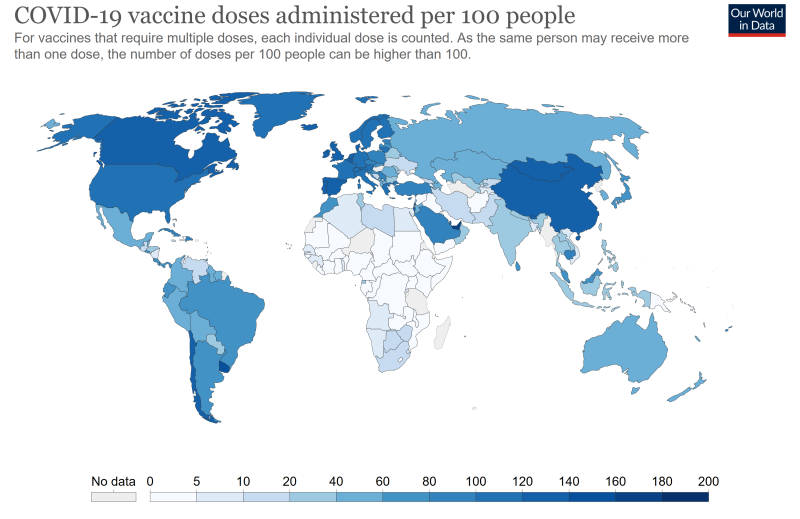
1… Vaccine rates are slow, and inconsistent in developing countries.
2… Significant numbers of people will remain unvaccinated until 2022
3… Vaccines reduce infections but their strength and duration are unclear
4… Therefore, we need therapies too, for COVID patients who become ill
Co-author Dr. Elisa Vicenzi of San Raffaele Scientific Institute in Milan, Italy is confident the drug will reduce COVID infections. ‘Our data indicates Fenofibrate may have the potential to reduce severity of COVID-19 symptoms and also virus spread,’ she explains.
She emphasizes the potential benefits of an oral drug that is cheap and available. And moreover, one that has an ‘extensive history of clinical use and its good safety profile’.
‘We now urgently need further clinical studies,’ adds first author Dr. Scott Davies of University of Birmingham. ‘We need to establish whether Fenofibrate is indeed a potential therapeutic agent, to treat SARS-CoV-2 infections.’
Recent
The Delta Variant Dominating COVID-19
The Absolute Bottom Line on COVID-19
Preview Image: Vaccine Doses Administered
Research Report in Frontiers of Science
Research


